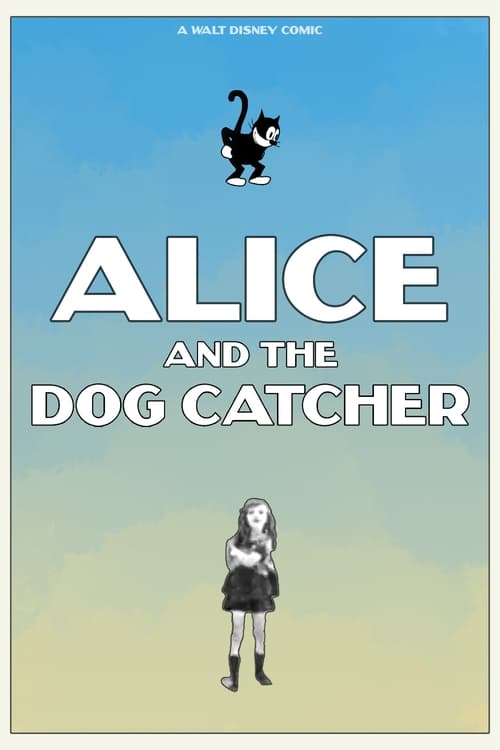
Alice and the Dog Catcher
1924
No user ratings available yet
Representation score: 3.8 out of 10
Representation Score
Minimal
1926
Director
Walt Disney
Runtime
6 minutes
Average Rating
No ratings yetNew Showbiz Analysis
This early Walt Disney short serves as a historical artifact of the animation era, relying heavily on slapstick humor and simple character types. The narrative revolves around a chase plot that doesn't explore the complexities of identity or diverse representation. While Alice provides a central female presence, the film's focus remains on the chaotic physical comedy of male characters. The social landscape presented is homogeneous, reflecting the era's standards without challenging existing hierarchies. Ultimately, the film prioritizes traditional 'good vs. bad' dichotomies and physical humor over any meaningful representation of diverse identities or systemic social critiques.
Category Breakdown
The film does not include any characters with non-binary or LGBTQ+ identities, nor does it have any scenes showing same-sex relationships.
Alice plays a significant role as a female protagonist, but the story mainly focuses on the comedic antics of male characters like Julius and a mouse.
The setting reflects a typical early 20th-century environment without any indication of a diverse cast or intentional racial blending.
The story touches on industrial exploitation through a sausage factory ruse, but the resolution relies on slapstick humor rather than a deeper critique of institutions.
There are no characters with visible or invisible disabilities in the film. The characters are defined by their roles in a chase sequence and comedic skits.
Present on Screen
Limited or Absent
Official Synopsis
A mouse and his boss pose as dogcatchers and grab a schoolhouse full of dogs; they use several other ruses to round up dogs for, as we discover, a sausage factory. Alice and Julius are on the trail soon after the first caper, but it takes them a while to catch up with the bad guys. They do, and Julius tricks the big boss into getting clobbered by the sausage guy, then turns the dogs loose on him.
1924
1926
1927

1925
1925
1925

1924
1924
No reviews yet. Be the first to share your thoughts on this movie!
Use the rating form above to leave a star rating and optional review.