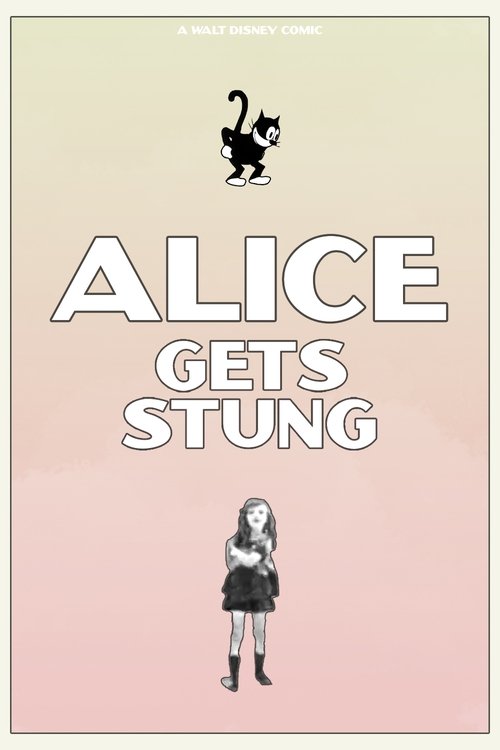
Alice Gets Stung
1925
No user ratings available yet
Representation score: 0.9 out of 10

Representation Score
Limited
1925
Director
Walt Disney
Runtime
7 minutes
Average Rating
No ratings yetNew Showbiz Analysis
Alice Loses Out is a product of its time, emphasizing slapstick comedy and character dynamics over social critique. The narrative depends on established social hierarchies and the comedic tension between different economic classes. While the film features a female protagonist in Alice, she operates within traditional gender roles as a hotel manager. The story focuses on the physical comedy of Julius trying to please a grumpy customer. Overall, the film lacks representation of diverse identities. It serves as a comedy centered on class status rather than a tool for exploring systemic issues.
Category Breakdown
The film does not include any characters with non-binary gender identities or same-sex relationships. The plot revolves around typical comedic interactions between a wealthy antagonist and service workers.
Alice manages a hotel, but the story adheres to traditional early 20th-century gender roles. The narrative is mainly driven by the actions of the male protagonist, Ima Hawg.
The story focuses on class dynamics between a magnate and his staff. There is no explicit mention of racial or ethnic diversity among the characters.
The film uses the cliché of a demanding, wealthy customer to create situational comedy. It explores economic disparity through class tension without delving into deeper cultural critiques.
There is no information about characters with visible or invisible disabilities.
Present on Screen
Limited or Absent
Official Synopsis
A rich garbage magnate Ima Hawg is being driven by his chauffeur to a hotel run by Alice and her cat Julius. The hotel has seen better times, and so the two are thrilled when they see the limousine roll up. Hawg demands a barber and a manicurist, and Julius feels he's up to the job. He does his best to please the grouch, with mixed results.
1925
1924
1926
1929
1936
1926

1925
1941
No reviews yet. Be the first to share your thoughts on this movie!
Use the rating form above to leave a star rating and optional review.