The End of Suburbia: Oil Depletion and the Collapse of the American Dream
2004
No user ratings available yet
Representation score: 6.1 out of 10
Representation Score
Good
2007
Director
Jim Brown, Gary Burns
Runtime
93 minutes
Average Rating
No ratings yetNew Showbiz Analysis
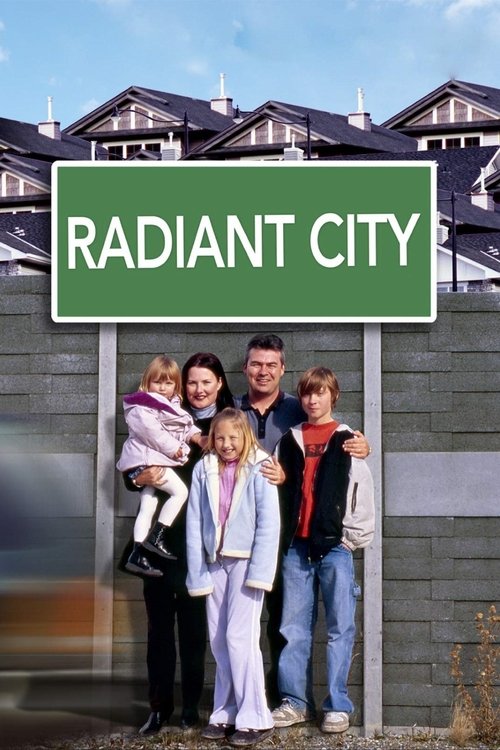
Radiant City serves as a sociological critique of post-WWII North American development. It prioritizes a systemic analysis of how physical environments shape social behavior over individual identity politics. The film critiques the 'suburban dream' and Western expansionist norms, framing modern sprawl as an artificial imposition on organic human communities. However, the documentary lacks high-visibility representation for specific underrepresented groups. It focuses on expert commentary and architectural symbolism rather than diverse personal narratives.
Category Breakdown
The documentary does not include explicit LGBTQ+ narratives or character arcs focused on sexual orientation or gender identity. The film's focus is on urban planning and architectural sociology.
The film centers on systemic urban design rather than exploring gender hierarchies. It does not explicitly address traditional masculinity or femininity.
The subject matter explores how suburban sprawl has influenced the continent's demographic landscape. It delves into the history of racial segregation in urban planning.
The narrative provides a strong critique of Western institutional structures. It highlights the tension between traditional community values and modern, car-centric sprawl.
There is no specific evidence of neurodivergent or physically disabled representation. However, the critique of car-dominated culture touches on inherent accessibility issues.
Present on Screen
Limited or Absent
Official Synopsis
Since the end of World War II, one of kind of urban residential development has dominate how cities in North America have grown, the suburbs. In these artificial neighborhoods, there is a sense of careless sprawl in an car dominated culture that ineffectually tries to create the more organically grown older communities. Interspersed with the comments of various experts about the nature of suburbia
2004

2000
1939

1929

2011

2011
1943

2012
No reviews yet. Be the first to share your thoughts on this movie!
Use the rating form above to leave a star rating and optional review.