Beijing 2003
2004
No user ratings available yet
Diversity score: 6.0 out of 10
2008
Director
Terence Davies
Runtime
74 minutes
Average Rating
No ratings yetSynopsis
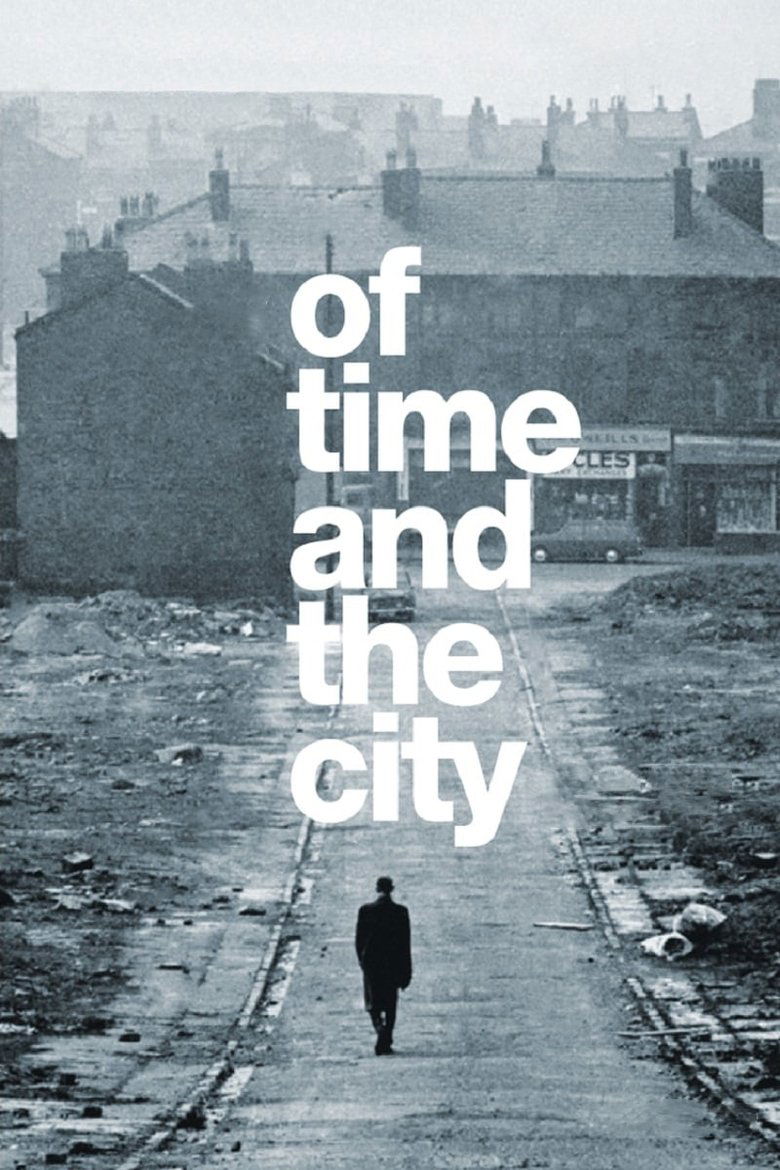
A heart-stirring meditation on time, memory and mortality, “Of Time and the City” is Terence Davies’ poetic, conflicted ode to his birthplace of Liverpool, England. The visual content of the film consists largely of archival clips of the city from the 1940s to the 1960s, their nostalgic charm darkened by accompanying music and the counterpoint of Davies’ dry, at times dyspeptic, voice-over narration. His voice thickens with emotion as he recalls the delights of juvenile movie-going or the ritual of a holiday trip to New Brighton, across the River Mersey, and hardens with contempt when he turns his gaze on the hoopla surrounding Queen Elizabeth’s coronation in 1953. The film is a powerful evocation of the director's youth in post-war Britain and a reflection on how his home city has changed over the years.
Overall Score
Fair
Category Breakdown
LGBTQ+ Representation
The film offers a non-heteronormative lens by centering on the director's subjective, internal struggles. While explicit intimacy is not the primary focus, the narrative architecture avoids traditional domestic tropes.
Gender Representation
Archival footage captures mid-20th-century gender hierarchies in labor and domesticity. The film avoids glorifying traditional masculine leadership, instead framing these roles as part of a fading historical epoch.
Racial & Ethnic Diversity
As a study of a global port city, the film organically represents multicultural realities. The archival footage moves beyond a purely Anglo-Saxon perspective to show the city's post-colonial reality.
Religious & Cultural Diversity
The work excels in critiquing Western institutions, capitalism, and industrialization. It prioritizes the lived reality of the working class over nationalist sentiment or the celebration of empire.
Disability Representation
The film engages with the psychological toll of historical trauma and urban decay. It treats mental health and the fragility of the human condition as integral to the experience.
Strengths
Areas for Improvement
AI Analysis
Terence Davies uses a postmodern, non-linear montage to disrupt the typical nostalgia found in historical documentaries. Rather than romanticizing the past, the film provides a critical look at how identity and class coalesce within a specific urban memory. The documentary succeeds by utilizing archival footage to present an organic, intersectional view of Liverpool's demographic and economic shifts. It avoids the trap of celebrating traditional social hierarchies, opting instead for a systemic observation of change. While the film lacks explicit character-driven representation for certain groups, its strength lies in its subversive perspective and its refusal to uphold conventional Western or heteronormative narratives.
2004

1983

1998

1988

1982

2021
1994
2004

2023

1957

2006

2020
No reviews yet. Be the first to share your thoughts on this movie!
Use the rating form above to leave a star rating and optional review.