Last Clear Chance
1959
No user ratings available yet
Representation score: 0.6 out of 10
Representation Score
Fair
2003
Not RatedDirector
Bret Wood
Runtime
91 minutes
Average Rating
No ratings yetNew Showbiz Analysis
Hell's Highway serves as a historical examination of mid-20th-century educational propaganda rather than a modern exploration of diverse identities. Its value lies in deconstructing how institutions used media to shape and control youth behavior. The documentary focuses on the tension between institutional idealism and the exploitative nature of safety films. While it critiques the mechanics of social influence, the historical subject matter remains rooted in a period of significant social stratification. Ultimately, the film functions as a specialized study of social engineering. It offers a sophisticated look at systemic projection but lacks a broad focus on diverse identities.
Category Breakdown
The film looks at post-WWII North American safety films, a time marked by strict social norms assuming everyone was straight. There are no explicit LGBTQ+ stories or criticisms of these norms in the documentary.
The documentary explores how adults projected societal concerns onto young people. While the historical safety films likely reinforced traditional gender roles, the film may critique these historical hierarchies.
The narrative covers North American teenage life during a time of significant racial segregation. However, there is no specific mention of a diverse cast or focus on multiple racial identities.
The film critically examines Western institutions and social control. It challenges the idea of institutional benevolence by analyzing how safety mandates were used to manipulate behavior.
The subject matter involves physical trauma and sudden disability through graphic accident scenes. These are likely used as cautionary tales rather than nuanced explorations of lived experience.
Present on Screen
Limited or Absent
Official Synopsis
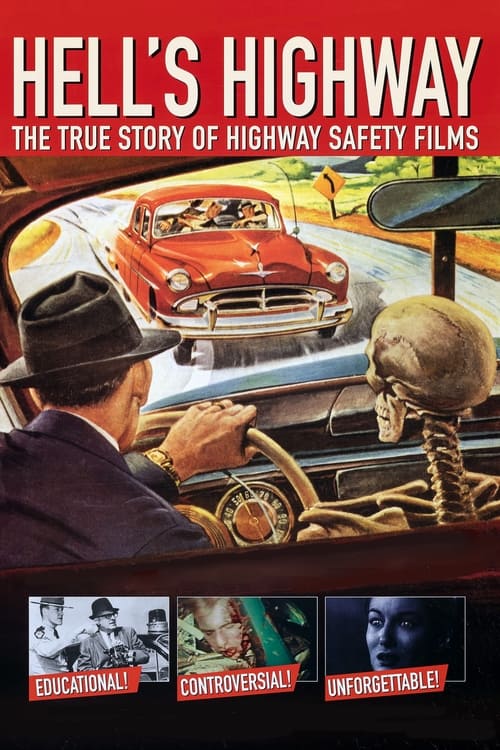
This film covers the early history of post World War II educational films, especially those involving traffic safety by the Highway Safety Foundation under direction of Richard Wayman. In the name of promoting safe driving in teenagers, these films became notorious for their gory depiction of accidents to shock their audiences to make their point. The film also covers the role of safety films of this era, their effect on North American teenage culture, the struggle between idealism and lurid exploitation and how they reflected the larger society concerns of the time that adults projected onto their youth.
1959
2002
1963

2012

2012

2020

2013

2011
No reviews yet. Be the first to share your thoughts on this movie!
Use the rating form above to leave a star rating and optional review.