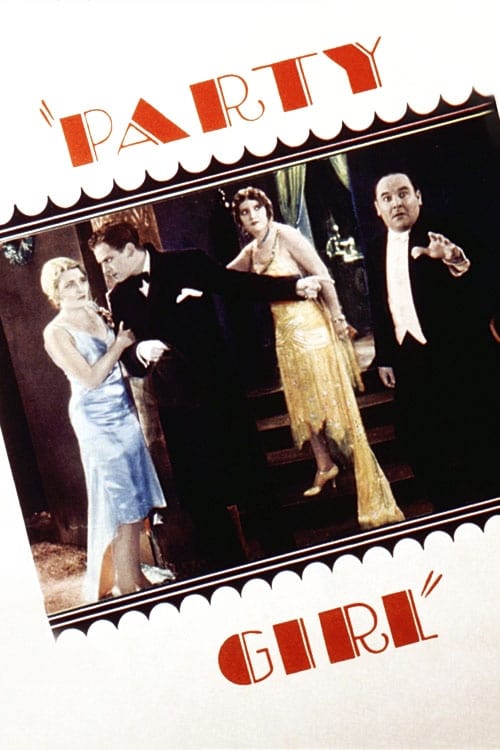
Party Girl
1930
No user ratings available yet
Diversity score: 4.7 out of 10
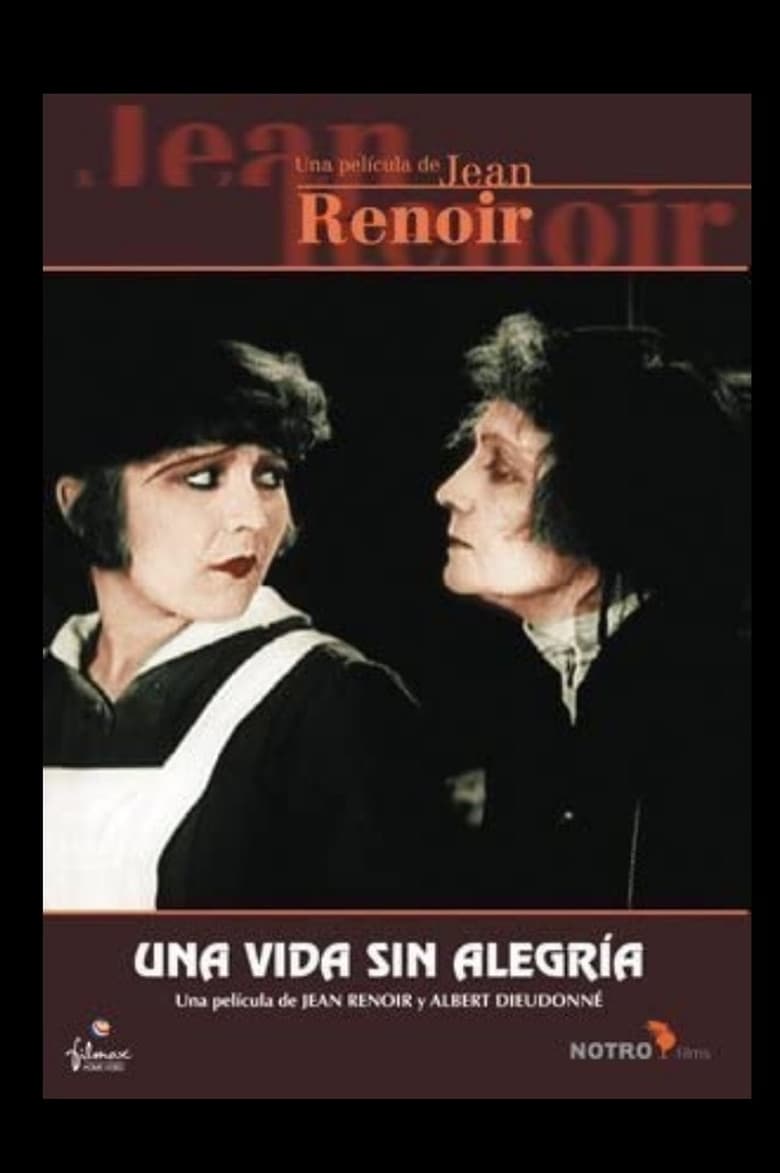
1927
Director
Albert Dieudonné, Jean Renoir
Runtime
84 minutes
Average Rating
No ratings yetSynopsis
About the conflict between social classes through the life of the unhappy Catherine Ferrand, an orphan girl, who is a victim of the jealousy of women and the greed of men.
Overall Score
Limited
Category Breakdown
LGBTQ+ Representation
The film operates within traditional 1920s romantic frameworks. There is no evidence of queer narratives or non-heteronormative identities present in the story.
Gender Representation
The narrative centers on the female experience through Catherine Ferrand. While it utilizes tropes of female rivalry, it also critiques patriarchal economic control and male greed.
Racial & Ethnic Diversity
The cast and setting reflect a homogeneous European social structure. The film lacks intersectional racial diversity or non-Western perspectives.
Religious & Cultural Diversity
The story deconstructs class stability by focusing on an orphan's struggle. It critiques the idealized bourgeois family unit through themes of greed and social instability.
Disability Representation
There is no documented evidence of characters with disabilities serving as central plot devices or possessing specific agency.
Strengths
Areas for Improvement
AI Analysis
Backbiters (1927) is a period drama that prioritizes class conflict over demographic breadth. The film's strength lies in its early social realism, using the protagonist's status as an orphan to critique rigid social hierarchies and predatory economic structures. However, the film is limited by its era, offering a homogeneous European perspective. It lacks racial diversity and queer representation, adhering to the traditional social norms of 1920s French cinema. Ultimately, while the film lacks modern intersectional complexity, it provides a foundational critique of how systemic greed and social positioning impact marginalized individuals.
1930
1930
1931

1927
1921
1926
1942

1917

1909
1921
1929
1920
No reviews yet. Be the first to share your thoughts on this movie!
Use the rating form above to leave a star rating and optional review.