
The Trespasser
1929
No user ratings available yet
Representation score: 2.1 out of 10
Representation Score
Minimal
1929
PassedDirector
Victor Schertzinger
Runtime
79 minutes
Average Rating
No ratings yetNew Showbiz Analysis
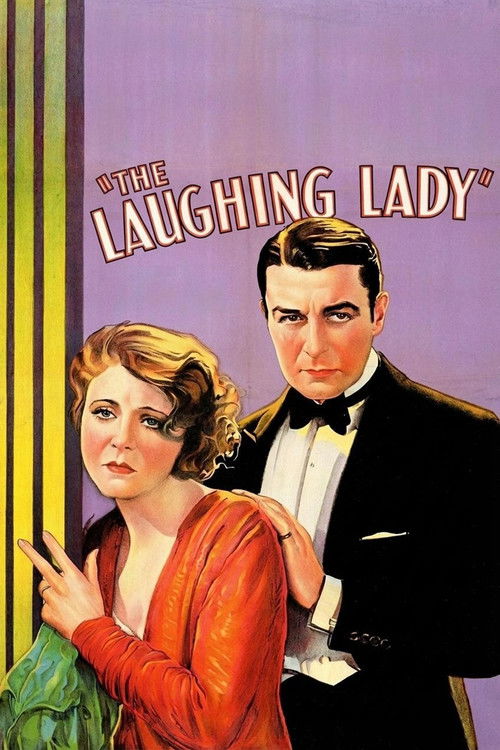
The Laughing Lady is a period-typical social melodrama that prioritizes the preservation of the nuclear family and individual reputation. While it centers on a woman's struggle against social ostracization, it operates within the rigid moral frameworks of the late 1920s. The film lacks complexity in terms of racial, LGBTQ+, or disability representation. It focuses on the consequences of a single woman's scandal within a homogeneous high-society setting. Ultimately, the film serves as a study of social survival rather than a systemic critique of the structures that judge its protagonist.
Category Breakdown
The film does not include any representation of LGBTQ+ identities. The central conflict revolves around traditional marital fidelity and societal expectations.
A female protagonist drives the emotional core of the story. She faces challenges primarily as a reaction to patriarchal pressures and male-driven accusations.
The setting suggests a homogeneous, Anglo-Saxon cast. There is no evidence of racial diversity or blending within the narrative.
The story critiques the superficial morality of high society. However, it remains rooted in traditional Western social norms rather than deconstructing established cultural institutions.
The narrative does not include any characters with visible or invisible disabilities. There is no evidence of disability-related themes or representation.
Present on Screen
Limited or Absent
Official Synopsis
A society woman wrongly -- and very publicly -- accused of infidelity is dropped by her friends, spurned by her husband, and faced with the loss of her child.
1929
1920
1924
1924
1925

1929
1929
1939
No reviews yet. Be the first to share your thoughts on this movie!
Use the rating form above to leave a star rating and optional review.