
Cradle Song
1933
No user ratings available yet
Diversity score: 2.3 out of 10

1917
Director
Georg af Klercker
Runtime
68 minutes
Average Rating
No ratings yetSynopsis
Countess Hedvig von Wärnfelt (born Wärnfelt), receives her orphan's granddaughter Marianne to educate her in tukt and her reverence. Marianne is an iron and vibrant young girl, who also carries theater grills. The Countess is staggered over her uneducated facials and treats her severely, hard and joyless.
Overall Score
Limited
Category Breakdown
LGBTQ+ Representation
The film lacks any evidence of queer narratives or non-heteronormative identities. The story focuses strictly on the domestic bond between a guardian and her ward.
Gender Representation
Marianne provides a sense of female agency as a spirited, aspiring actress. Her vibrant nature directly clashes with the Countess's severe, traditionalist approach to discipline.
Racial & Ethnic Diversity
The narrative appears to focus on a homogeneous European aristocratic class. There is no indication of racial diversity or non-majority casting within the context.
Religious & Cultural Diversity
The film explores the tension between traditional lordship and bohemian lifestyles. It critiques rigid, institutionalized upbringing through the conflict between the Countess and Marianne.
Disability Representation
There is no information available regarding the representation of physical disabilities or neurodivergence in this work.
Strengths
Areas for Improvement
AI Analysis
Reveille functions primarily as a character study centered on the friction between individual spirit and rigid social hierarchies. The narrative's strength lies in its depiction of female agency, pitting a vibrant protagonist against an authoritative, traditionalist institution. However, the film lacks intersectional depth. The setting appears culturally homogeneous, focusing on a specific European social class without broader racial or LGBTQ+ representation. Ultimately, while the film challenges social decorum through its central conflict, it remains a narrow exploration of class and generational tension rather than a diverse social tapestry.
1933
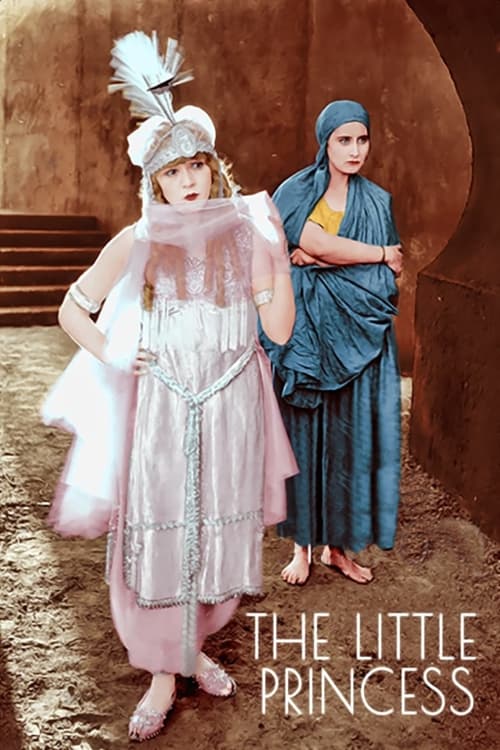
1917
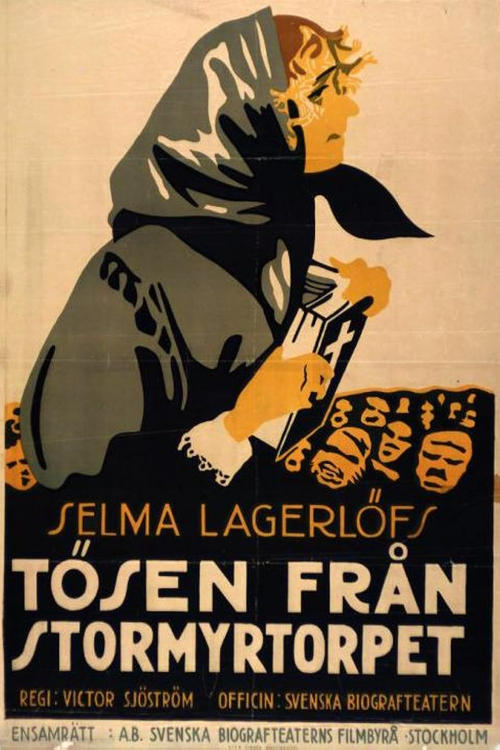
1917

1937

1973
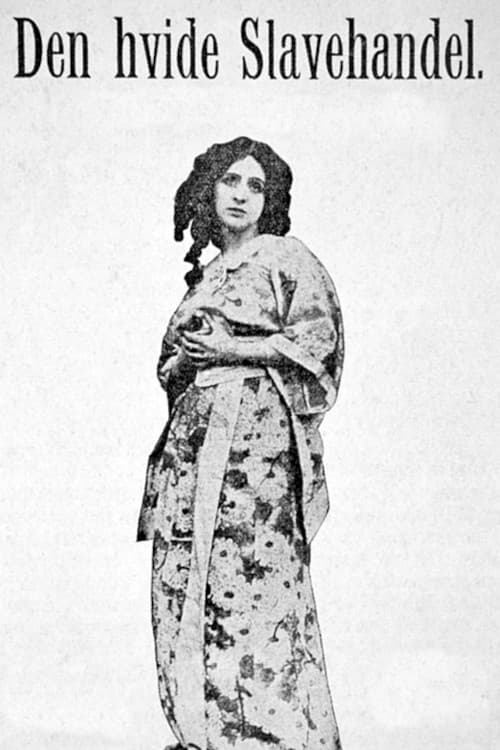
1910
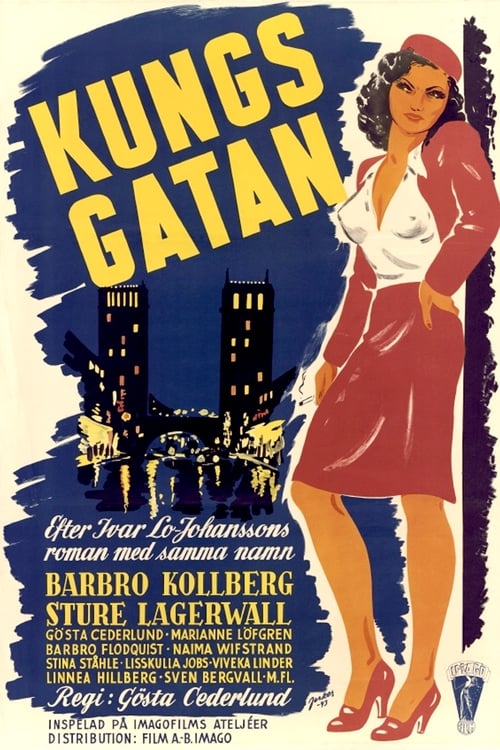
1943

1921
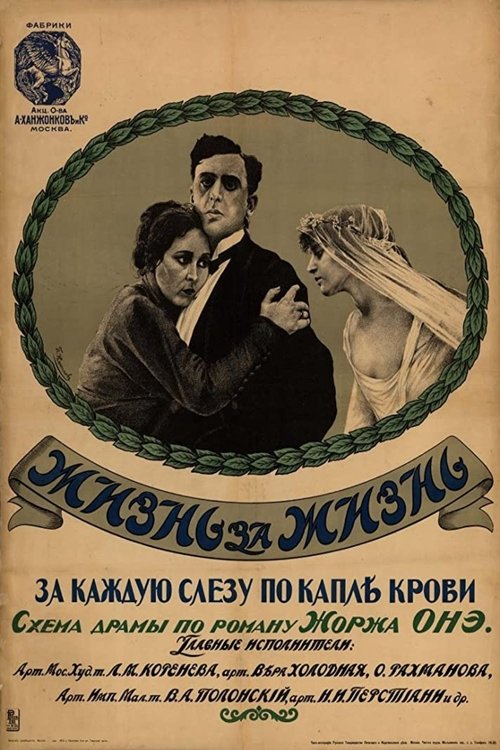
1916
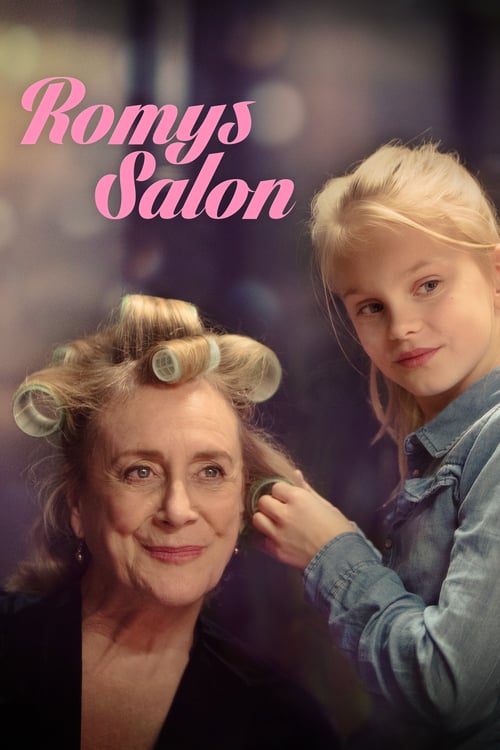
2020
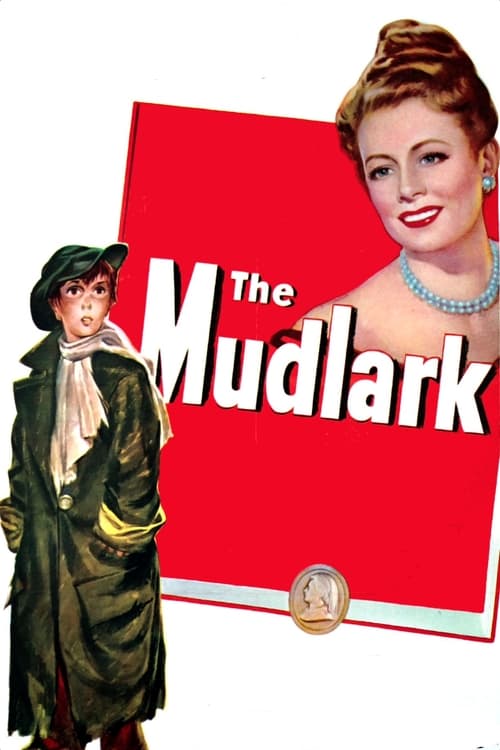
1950
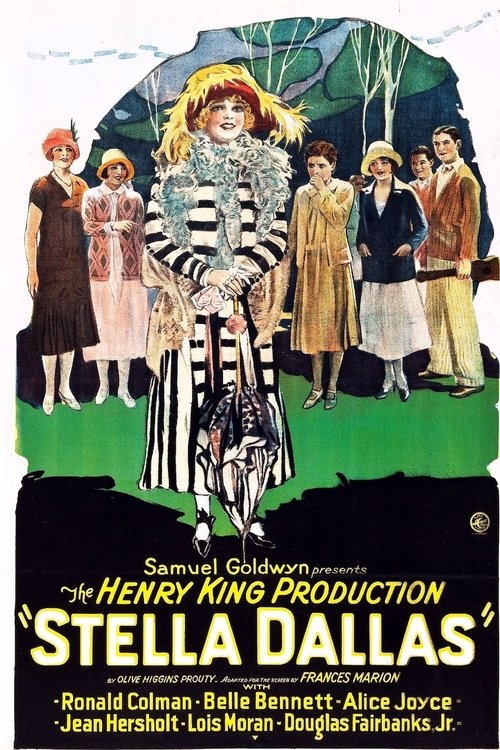
1925
No reviews yet. Be the first to share your thoughts on this movie!
Use the rating form above to leave a star rating and optional review.