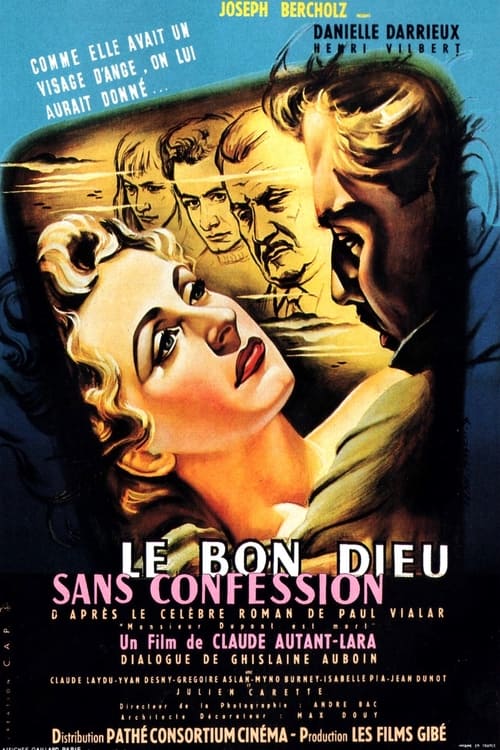
Good Lord Without Confession
1953
No user ratings available yet
Diversity score: 5.6 out of 10
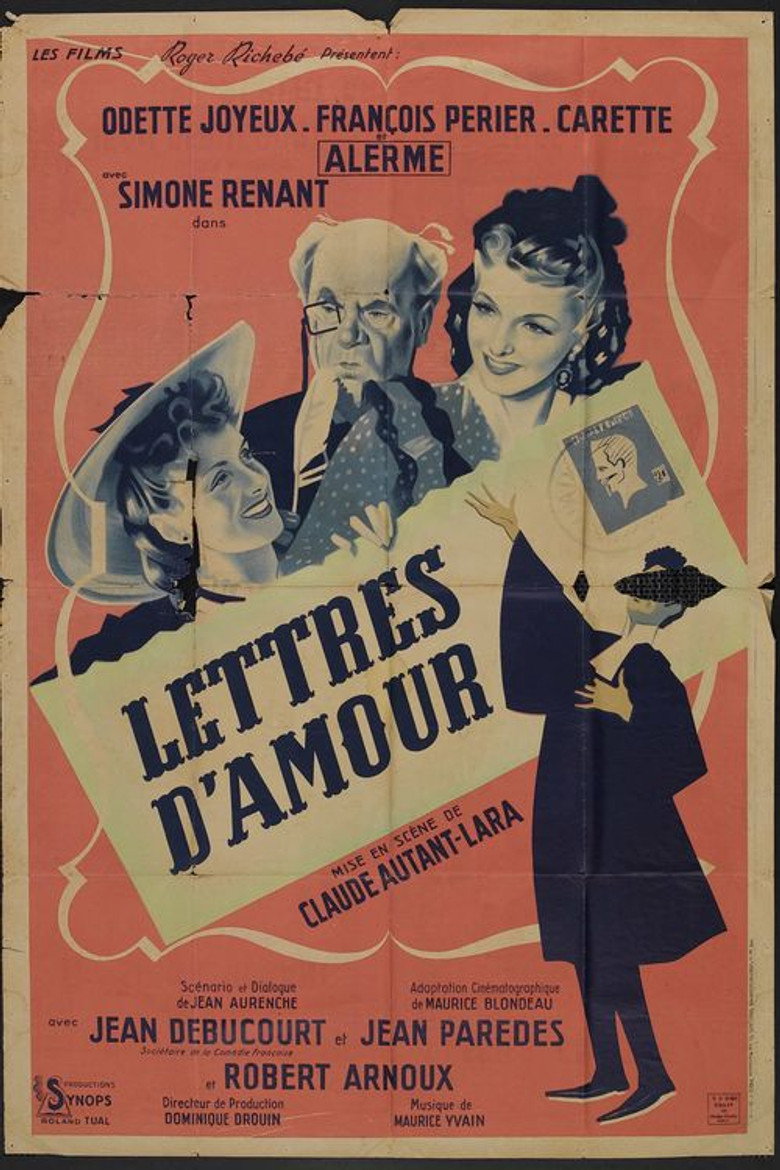
1942
Director
Claude Autant-Lara
Runtime
92 minutes
Average Rating
No ratings yetSynopsis
A plucky businesswoman agrees to receive love letters to a prefect’s wife from a young official, and soon finds herself embroiled in a scandal that inflames a town’s class tensions.
Overall Score
Limited
Category Breakdown
LGBTQ+ Representation
The film operates within a traditional 1940s romantic melodrama framework. It contains no depictions of same-sex intimacy or non-cisnormative identities.
Gender Representation
The story centers on a plucky businesswoman, providing her with significant emotional agency. However, her power remains limited by the rigid social structures of the era.
Racial & Ethnic Diversity
The cast is ethnically homogeneous, reflecting the historical context of rural France. The film does not attempt to challenge the demographic norms of its time.
Religious & Cultural Diversity
The narrative explores the friction between personal morality and provincial social hierarchies. It highlights class tensions and the hypocrisy found within local institutions.
Disability Representation
No visible or invisible disabilities are featured within the primary character arcs or the central plot.
Strengths
Areas for Improvement
AI Analysis
Love Letters is a period drama that prioritizes psychological realism over demographic variety. It succeeds in offering a nuanced look at female agency through its central protagonist, who navigates complex social scandals with purpose. However, the film remains deeply rooted in the social and demographic constraints of 1940s France. It lacks intersectional breadth, focusing almost exclusively on heteronormative romantic entanglements and a homogeneous cast. Ultimately, the film's strength lies in its exploration of class friction and individual desire rather than its representation of diverse identities.
1953
1943
1934

1961
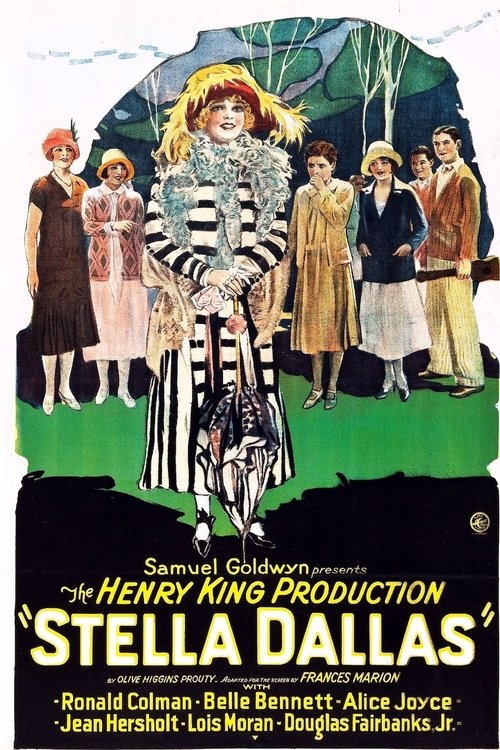
1925

1938
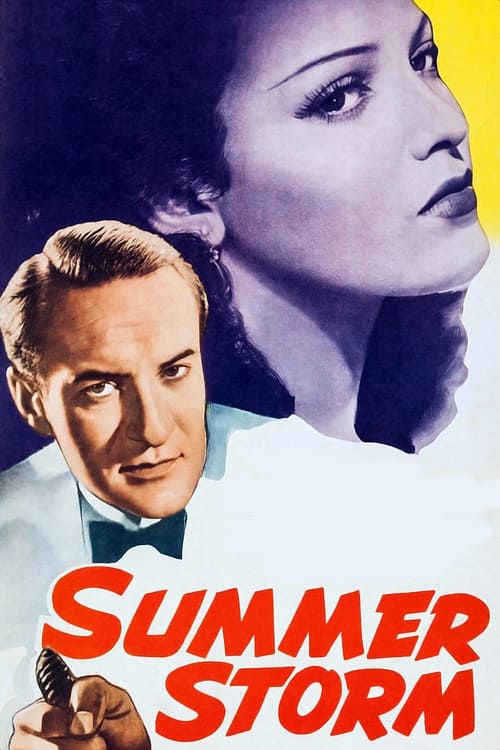
1944
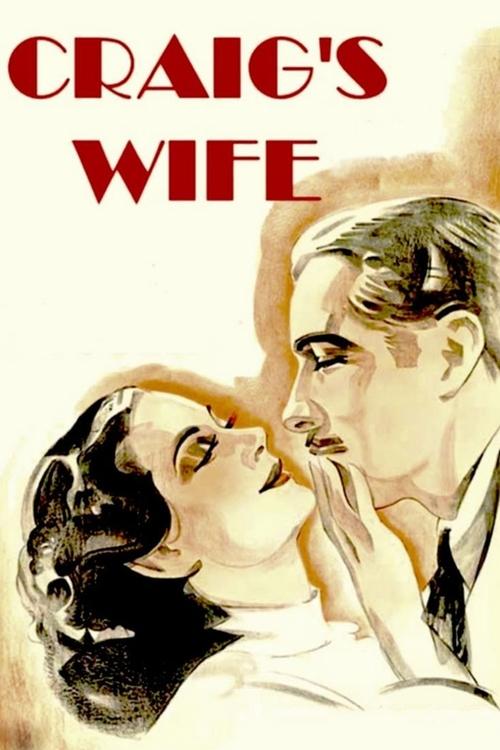
1936
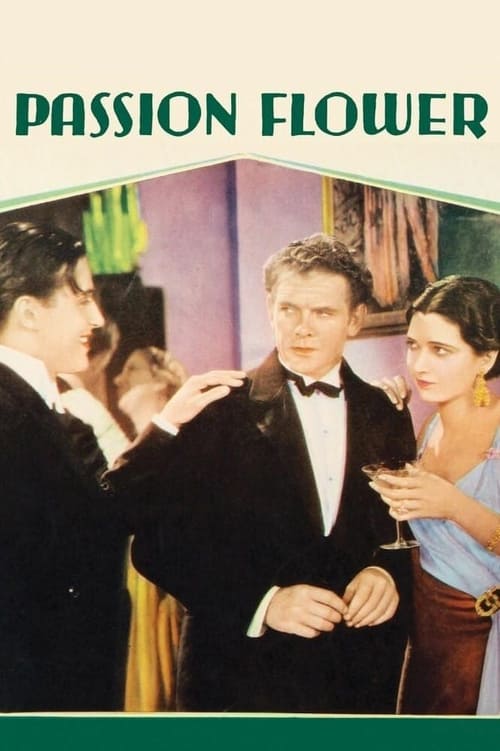
1930
1932
1933
1932
No reviews yet. Be the first to share your thoughts on this movie!
Use the rating form above to leave a star rating and optional review.