My Brothers and Sisters in the North
2016
No user ratings available yet
Representation score: 4.1 out of 10
Representation Score
Limited
2015
Not RatedDirector
Vitaly Mansky
Runtime
110 minutes
Average Rating
No ratings yetNew Showbiz Analysis
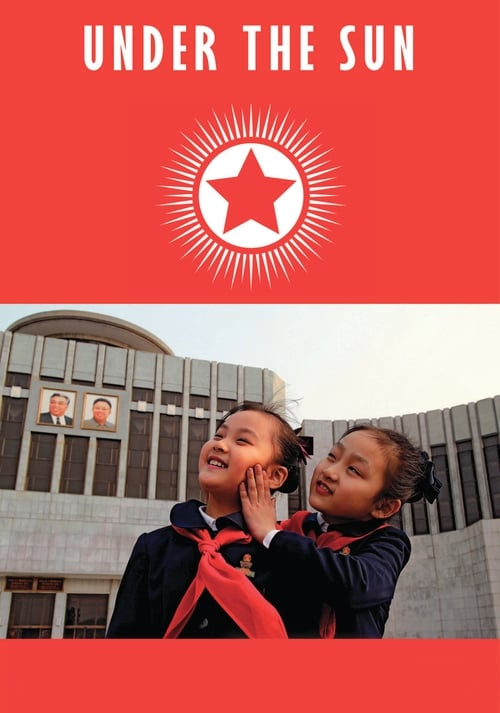
Under the Sun serves as a powerful tool for narrative deconstruction rather than a showcase for identity-based representation. By capturing unscripted moments between propaganda rehearsals, the film disrupts the monolithic image of the North Korean state. The documentary's strength lies in its ability to expose the friction between systemic requirements and individual human experience. It uses a fly-on-the-wall methodology to reveal the surreal reality behind state-mandated patriotism. While the film lacks specific markers for LGBTQ+ or disability inclusion, it succeeds in portraying the tension between state-imposed morality and the lived reality of its citizens.
Category Breakdown
The film focuses on a traditional nuclear family in a tightly controlled society. There are no depictions of non-straight or non-cisgender identities.
The documentary examines traditional gender roles and social structures. Women are frequently shown in domestic or state-sanctioned work, while men occupy official positions.
The cast is ethnically uniform, representing a specific geographic population. However, it offers a nuanced perspective on a group often stereotyped in Western media.
The film effectively critiques state institutions by contrasting ritualized celebrations with the mundane daily reality. It highlights the tension between individual existence and state-mandated collective life.
There are no characters whose stories are defined by visible or invisible disabilities.
Present on Screen
Limited or Absent
Official Synopsis
Over the course of one year, this film follows the life of an ordinary Pyongyang family whose daughter was chosen to take part in Day of the Shining Star (Kim Jong-il's birthday) celebration. While North Korean government wanted a propaganda film, the director kept on filming between the scripted scenes. The ritualized explosions of color and joy contrast sharply with pale everyday reality, which is not particularly terrible, but rather quite surreal.
2016
2020
2004
2015
2001
2011
2019
2017
No reviews yet. Be the first to share your thoughts on this movie!
Use the rating form above to leave a star rating and optional review.