
Lesson Plan
2010
No user ratings available yet
Diversity score: 5.6 out of 10
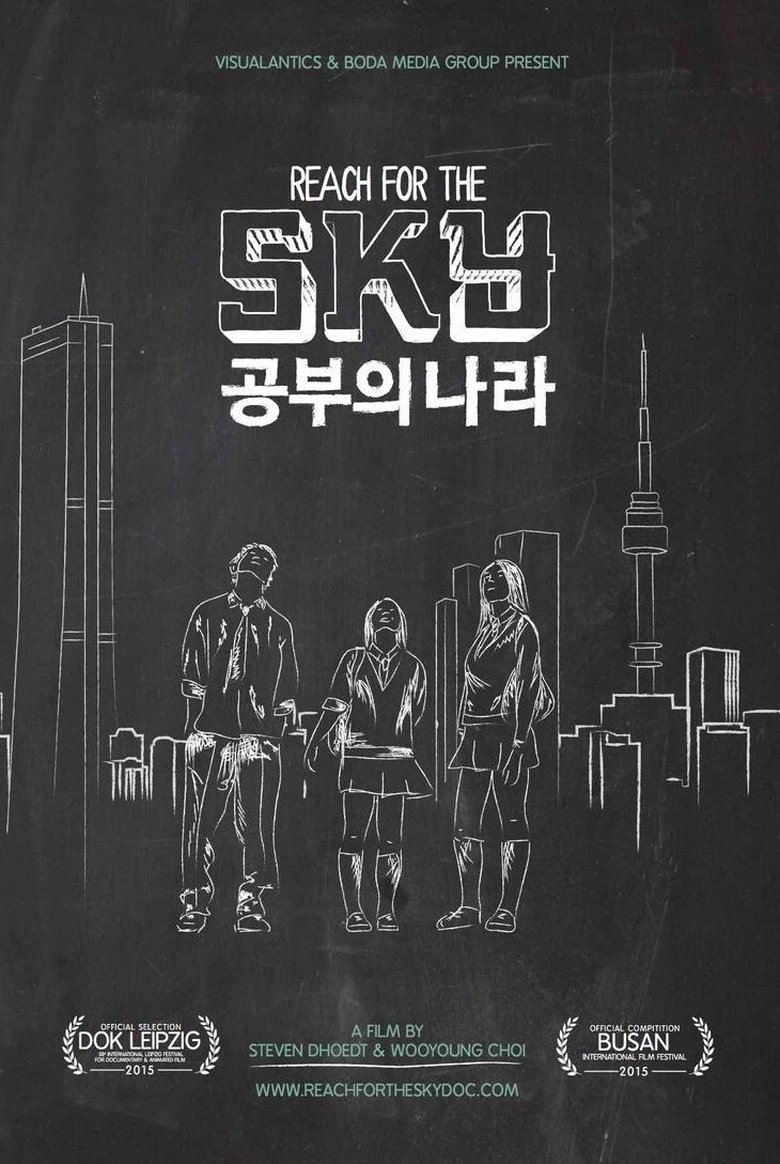
2015
Not RatedDirector
Steven Dhoedt, Choi Woo-young
Runtime
90 minutes
Average Rating
No ratings yetSynopsis
Can one day shape the rest of your life? A feature documentary on the South-Korean education system.
Overall Score
Fair
Category Breakdown
LGBTQ+ Representation
The documentary focuses on the structural mechanics of an education system. There are no visible LGBTQ+ character arcs or explorations of non-cisnormative identities.
Gender Representation
The film highlights systemic pressures that affect students regardless of gender. This format allows for a subversion of traditional hierarchies and rigid social expectations.
Racial & Ethnic Diversity
Centered in a South Korean context, the film depicts a relatively homogeneous society. It provides a localized perspective that challenges Western-centric views of academic success.
Religious & Cultural Diversity
The narrative engages in progressive cultural critique regarding the 'education arms race.' It deconstructs institutionalized norms and the human cost of state-mandated learning.
Disability Representation
There is no specific evidence regarding the portrayal of neurodivergence or physical disabilities within the educational pressures described.
Strengths
Areas for Improvement
AI Analysis
Reach for the SKY functions as a systemic critique rather than a vehicle for identity-based representation. It prioritizes observational truth over scripted character archetypes, making traditional diversity metrics like the Bechdel test difficult to apply. The film's strength lies in its cultural analysis. By examining the South Korean education system, it challenges Western-aligned models of meritocracy and the institutionalized rigor of the academy. However, the documentary lacks specific evidence regarding LGBTQ+ identities or disability representation. It remains a localized study of a relatively homogeneous societal structure.
2010

2015
2015

2020

2007

2017
1999
2005

2017

2011
2006

1990
No reviews yet. Be the first to share your thoughts on this movie!
Use the rating form above to leave a star rating and optional review.