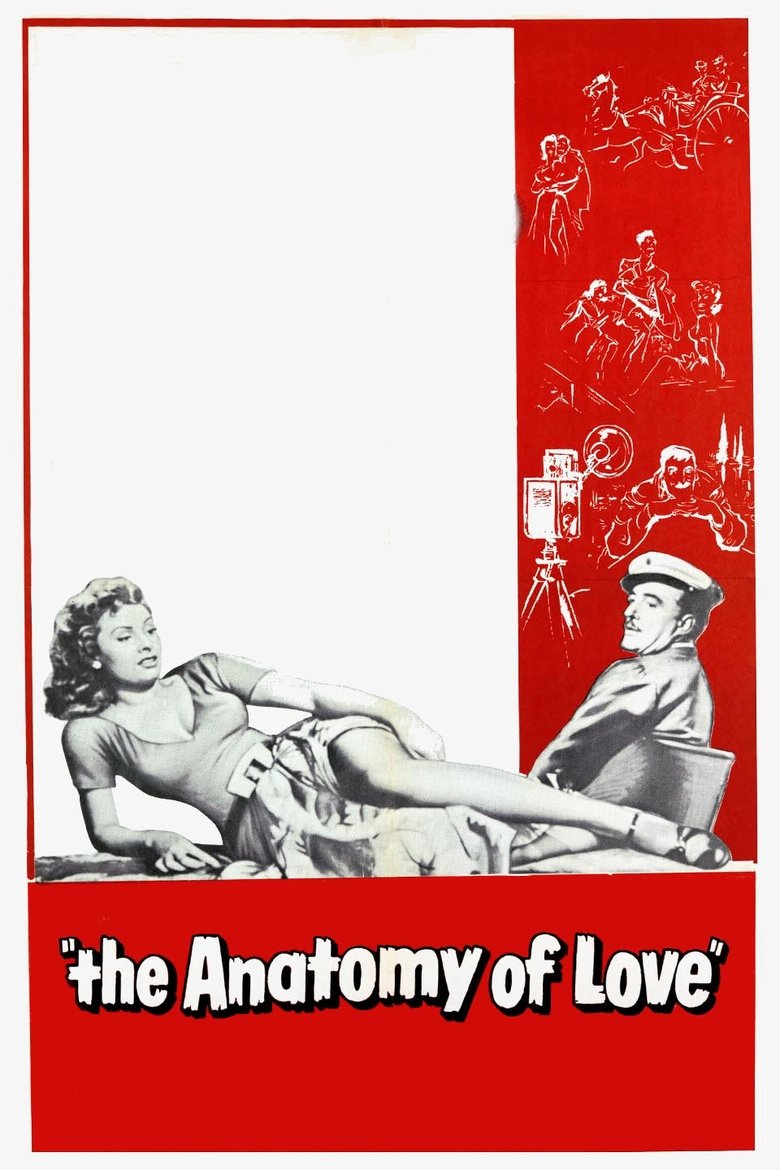
The Happy Beginning
1954
No user ratings available yet
Diversity score: 3.1 out of 10
1954
Director
Alessandro Blasetti
Runtime
131 minutes
Average Rating
No ratings yetSynopsis
Nine episodes about life in Italy in the period just before its economic boom.
Overall Score
Limited
Category Breakdown
LGBTQ+ Representation
The film operates within the heteronormative standards of 1950s Italy. There is no evidence of same-sex intimacy or non-cisnormative identities within the episodes.
Gender Representation
Women are central to the vignettes, yet their roles reflect traditional domestic and social expectations. The film lacks portrayals of women in positions of systemic intellectual or political dominance.
Racial & Ethnic Diversity
The cast and narrative focus are overwhelmingly homogeneous. The film reflects the specific ethnic and racial demographics of mid-century Italy without multicultural casting.
Religious & Cultural Diversity
The anthology serves as a chronicle of traditional Italian social fabrics. It emphasizes local community and family structures rather than critiquing Western institutions.
Disability Representation
There is no evidence that neurodivergence or physical disabilities are addressed with agency. Such themes were rarely integrated into mainstream comedic anthologies of this era.
Strengths
Areas for Improvement
AI Analysis
Alessandro Blasetti’s anthology functions as a historical artifact of mid-century Italy. It captures the social mores and cultural textures of a nation just before its economic boom, prioritizing historical authenticity over modern social subversion. The narrative architecture adheres to the traditional hierarchies of the 1950s. It focuses on national character studies and local life, which inherently reflects the conventional social boundaries of the period. Ultimately, the film lacks the intentional deconstruction of systemic power dynamics found in contemporary cinema, instead mirroring the homogeneous and traditional structures of its time.
1954
1963

1979

1968
1966
1978
1966

2007

1955
1973
1958
1976
No reviews yet. Be the first to share your thoughts on this movie!
Use the rating form above to leave a star rating and optional review.