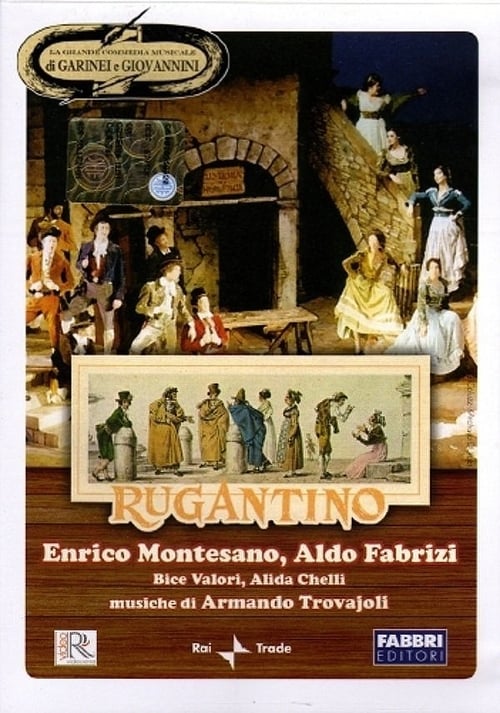
Rugantino
1978
No user ratings available yet
Representation score: 1.1 out of 10

Representation Score
Limited
2007
Director
Carlo Vanzina
Runtime
100 minutes
Average Rating
No ratings yetNew Showbiz Analysis
Piper serves as a nostalgic cultural snapshot of 1960s Italy, emphasizing accurate social hierarchies and conventional romantic stories. The storytelling relies on established genre clichés rather than challenging traditional norms. The film's structure centers on traditional gender dynamics and heterosexual relationships. While it effectively captures the cultural shift of the era's music scene, it lacks significant diversity in racial or LGBTQ+ representation. Ultimately, the film operates as a commercial period piece. It reflects the demographic norms of its setting without attempting to challenge or critique the systemic structures of the time.
Category Breakdown
The film focuses on heterosexual relationships between the journalist and Sabrina May, and the musician and Milena. It does not include any characters with LGBTQ+ identities or challenge traditional norms.
Female characters such as Sabrina May and Milena play crucial roles in advancing the plot. However, their influence is often tied to their roles as romantic interests within the social hierarchy of 1965.
Set in 1965 Rome, the film reflects a society that is predominantly homogeneous. The narrative lacks diverse representation and does not feature characters from various ethnic backgrounds.
The film captures the 1960s music scene and the tension between traditional politics and emerging youth culture. It presents a nostalgic view of this specific era.
There are no characters with visible or invisible disabilities mentioned in the narrative. Therefore, there is no information available to assess this category.
Present on Screen
Limited or Absent
Official Synopsis
Rome, 1965. The entire city awaits the inauguration of the Piper. While the journalist Roberto Benetti falls in love with Sabrina May, the kept woman of a politician, thus giving up a scoop, the young Mario, leader of the band "I demoni", meets Milena, who has fled from Venice to sing. A fortuitous event will offer the two young people the opportunity to perform in the legendary club.
1978
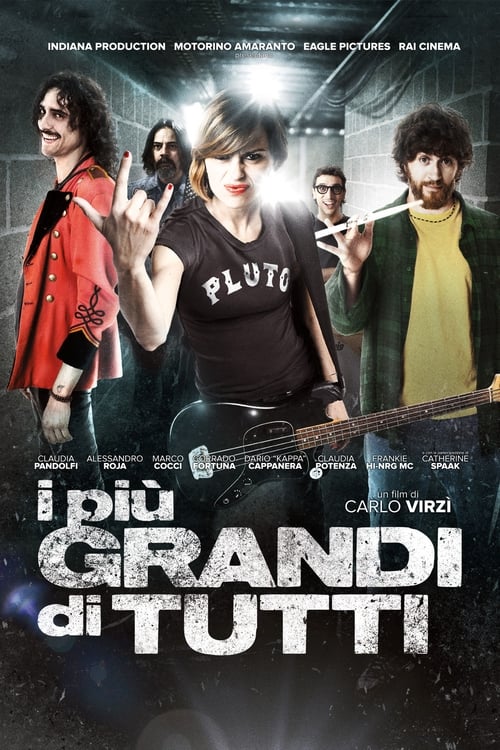
2012

1979
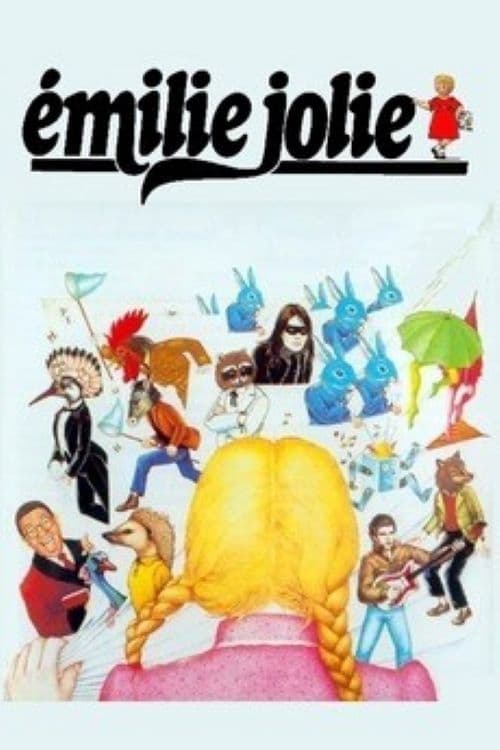
1980

2000
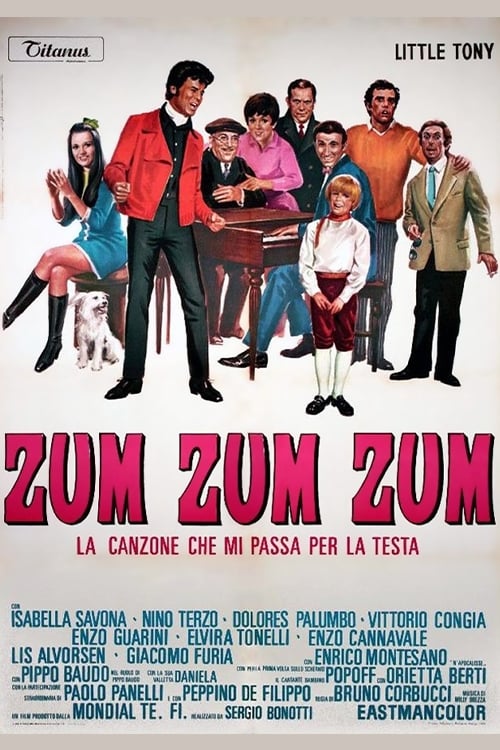
1969
2006
1969
No reviews yet. Be the first to share your thoughts on this movie!
Use the rating form above to leave a star rating and optional review.