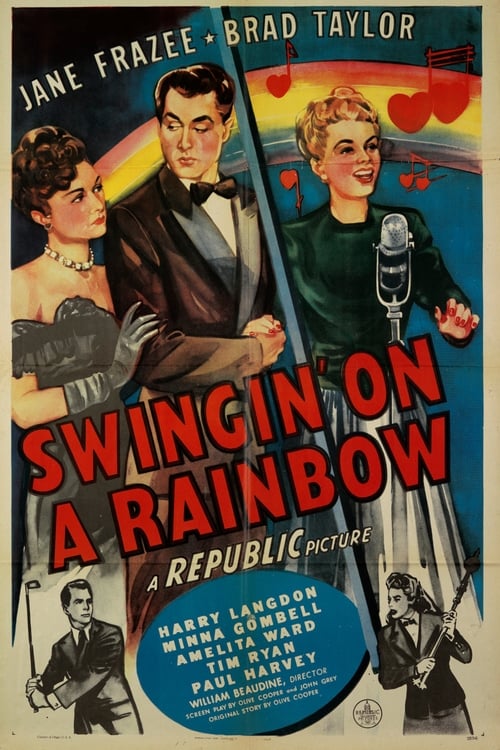
Swingin' on a Rainbow
1945
No user ratings available yet
No diversity score available
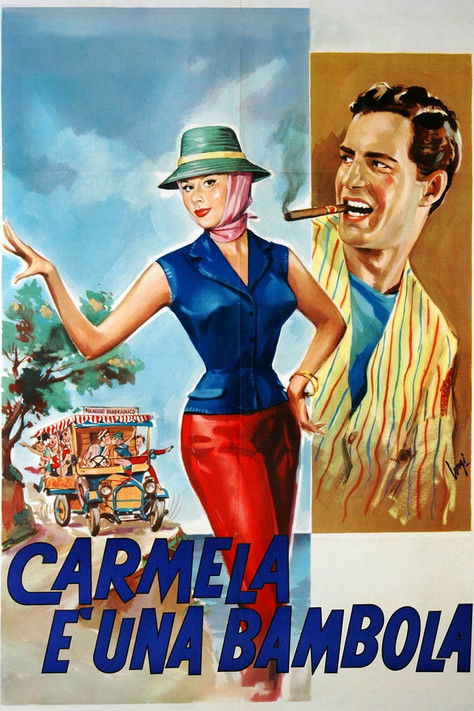
1958
Director
Gianni Puccini
Runtime
90 minutes
Average Rating
No ratings yetSynopsis
The daughter of a former Neapolitan gangster, Carmela has a law degree and is set to marry an aristocrat, as her father wishes. However, she suffers from a strange form of sleepwalking: at night, she goes to the room of Totò, a young man she is completely indifferent to and who is also her father's enemy. After consulting a doctor to find out the reason for this embarrassing anomaly, Carmela realises that Totò is actually the man she is unconsciously in love with.
Overall Score
Limited
Category Breakdown
LGBTQ+ Representation
The narrative follows a strictly heteronormative romantic arc. There is no evidence of queer subtext or non-cisnormative identities within the central plot.
Gender Representation
Carmela subverts patriarchal expectations by possessing a law degree and intellectual agency. Her psychological journey allows her to bypass social constraints and claim romantic autonomy.
Racial & Ethnic Diversity
The film reflects the homogeneous social landscape of 1950s Italy. It focuses on local Neapolitan class dynamics rather than multi-ethnic or diverse casting.
Religious & Cultural Diversity
The story critiques traditional social mobility and familial obligations. However, the resolution favors a conventional romantic conclusion over a systemic critique of class structures.
Disability Representation
Sleepwalking serves as a central plot device and a bridge to character development. While used as a narrative mechanic, it grants the protagonist a unique form of subconscious agency.
Strengths
Areas for Improvement
AI Analysis
Gianni Puccini’s comedy offers a nuanced look at the friction between class structures and individual desire. The film's strength lies in its subversion of gender roles, presenting a highly educated female protagonist who resists patriarchal marital arrangements. However, the work is heavily constrained by the demographic norms of its era. The focus remains on domestic Neapolitan hierarchies, offering little in the way of racial or ethnic diversity. Ultimately, while the protagonist's psychological condition drives her toward autonomy, the film functions primarily as a traditional mid-century romantic comedy.
1945
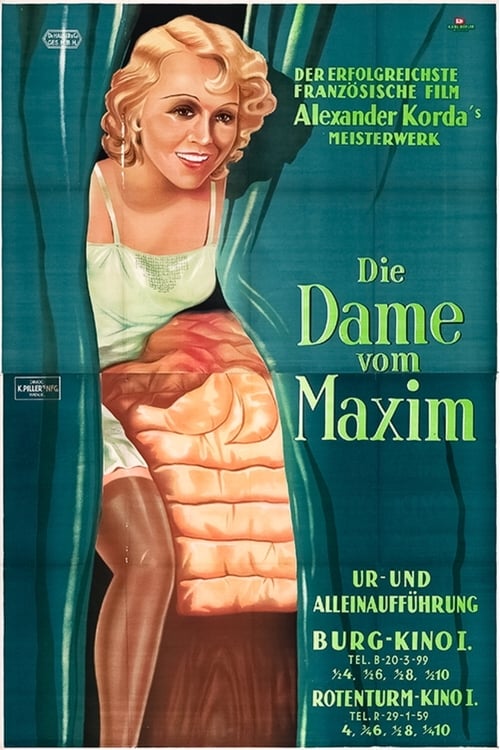
1933
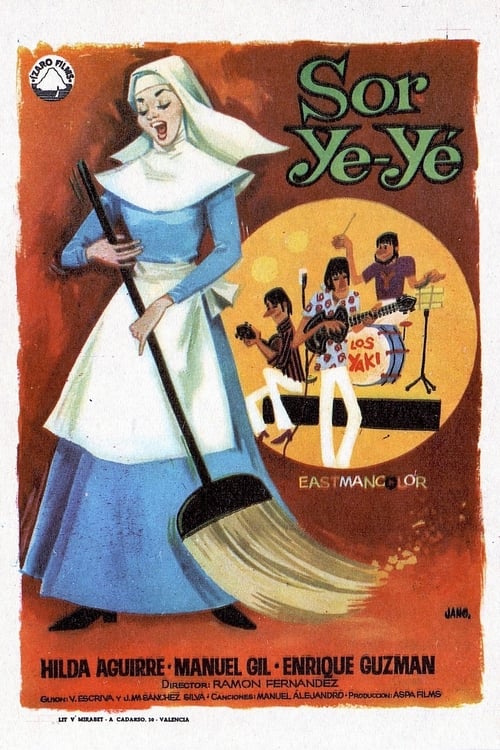
1968

1968
1950
1969
1975
1965
1966
1963
1972
1959
No reviews yet. Be the first to share your thoughts on this movie!
Use the rating form above to leave a star rating and optional review.