
To Joy
1950
No user ratings available yet
Representation score: 4.2 out of 10
Representation Score
Limited
1974
Director
Andrei Konchalovsky
Runtime
135 minutes
Average Rating
No ratings yetNew Showbiz Analysis
Andrei Konchalovsky’s drama is a period-specific work that adheres to the social and demographic norms of 1970s Soviet cinema. It does not actively seek to disrupt traditional social hierarchies or prioritize identity politics. The film's strength lies in its psychological depth and its refusal to provide a simplistic, purely tragic resolution. Instead, it offers a nuanced exploration of emotional survival and spiritual renewal. Ultimately, the narrative architecture prioritizes the internal evolution of the individual over the subversion of systemic structures, focusing on resilience and adaptation.
Category Breakdown
The film follows a traditional heterosexual relationship between Sergei and Tanya. There is no evidence of diverse gender identities or same-sex intimacy.
Tanya plays a significant role in driving the story by navigating her grief and rebuilding her life after loss. The narrative avoids clichéd damsel-in-distress clichés by highlighting her emotional resilience.
Reflecting the homogeneous demographic realities of 1970s Soviet cinema, the film lacks multi-ethnic casting. It focuses on a localized, culturally specific experience of love and loss.
The story explores spiritual rebirth and the cyclical nature of life. It favors a communal framework, shown through the military division's focus on helping local residents in distress.
A wounded friend accompanies the protagonist during his survival on a deserted island. This character serves primarily as a narrative companion rather than a figure with independent ability to act.
Present on Screen
Limited or Absent
Official Synopsis
A Marine's presumed death leads his fiancée to marry another, only for him to return, leading to a tragic, symbolic end for him despite his physical survival.
1950
1965
1964

1957
1961
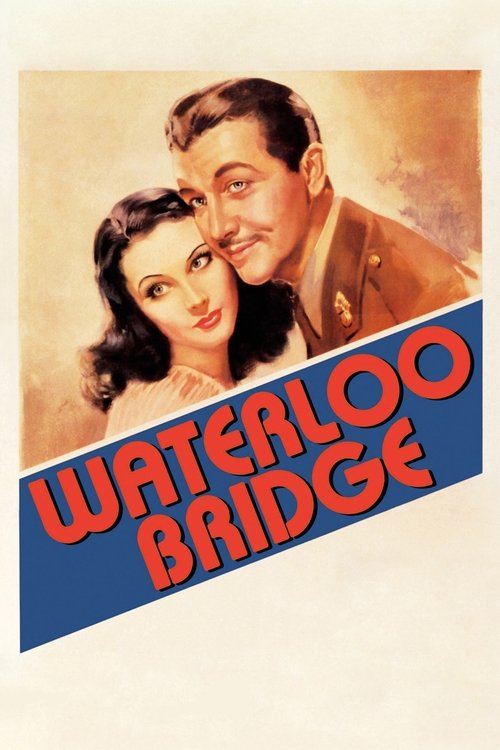
1940

1979

1984
No reviews yet. Be the first to share your thoughts on this movie!
Use the rating form above to leave a star rating and optional review.