
A Star Is Born
1954
No user ratings available yet
Representation score: 4.0 out of 10
Representation Score
Fair
1952
GDirector
Charlie Chaplin
Runtime
137 minutes
Average Rating
No ratings yetNew Showbiz Analysis
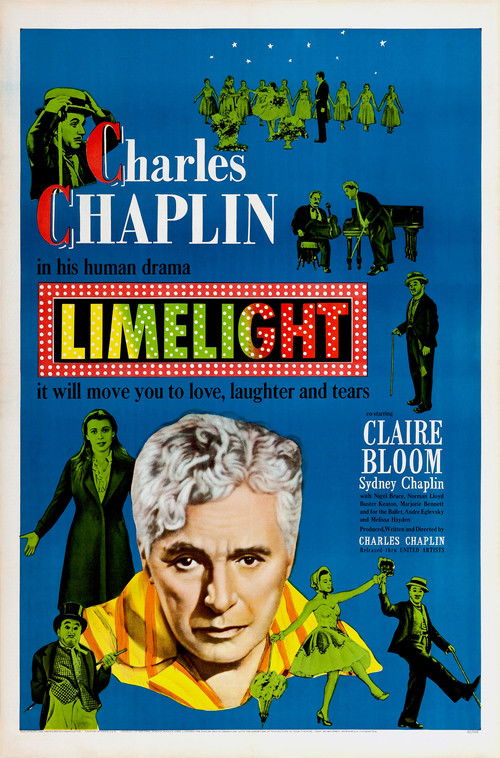
Limelight is a poignant character study that emphasizes individual emotions over broader social critiques. While Chaplin’s work suggests a potential for challenging societal norms, this film focuses on the transient nature of fame and aging. The narrative structure adheres to classic dramatic forms rather than deconstructing identity politics. Reflecting the traditional cinema standards of the early 1950s, the film offers depth through humanism rather than diverse representation. Ultimately, it succeeds as a study of the human condition but falls short of modern diversity standards.
Category Breakdown
The film focuses on a relationship between Calvero and Terry that assumes both are straight and cisgender. There are no queer narratives or non-cisgender identities represented.
Terry has professional control as a dancer, but the emotional journey is centered around the male experience. The mentor-student dynamic follows traditional hierarchies.
The setting is a homogeneous urban environment with no visible racial diversity. The story focuses on socioeconomic issues rather than ethnic representation.
The story explores personal disillusionment and the masks people wear to cope. It avoids criticizing Western institutions, emphasizing the dignity of the aging artist.
The film deals with psychological fragility and loss of confidence. However, these issues are presented as plot obstacles rather than explorations of specific disabilities or neurodivergence.
Present on Screen
Limited or Absent
Official Synopsis
A fading music hall comedian tries to help a despondent ballet dancer learn to walk and to again feel confident about life.
1954

1953

1954

1981

1968

1951

1983
1948
No reviews yet. Be the first to share your thoughts on this movie!
Use the rating form above to leave a star rating and optional review.