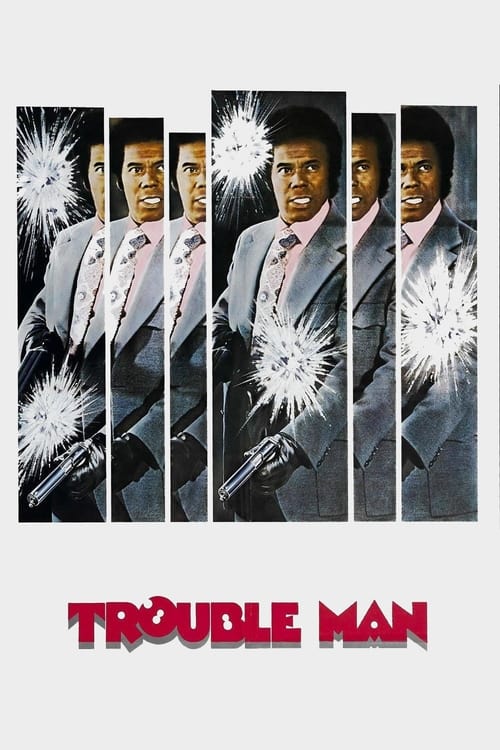
Trouble Man
1972
No user ratings available yet
Representation score: 3.3 out of 10
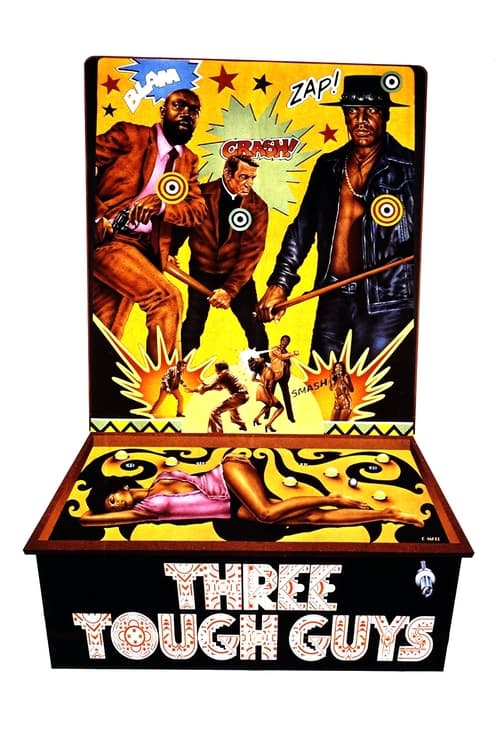
Representation Score
Minimal
1974
PGDirector
Duccio Tessari
Runtime
92 minutes
Average Rating
No ratings yetNew Showbiz Analysis
Three Tough Guys is a conventional 1970s genre piece that emphasizes traditional masculine archetypes. Its narrative structure follows established cinematic formulas, focusing on individual adventure and ability to act. While the inclusion of Isaac Hayes adds a layer of racial diversity, the film does not actively challenge broader social hierarchies. It stays within the confines of typical storytelling. The film reinforces traditional gender roles by centering the plot on male protagonists, relegating women to supporting roles.
Category Breakdown
The film centers on a trio of traditionally masculine characters. There is no representation of LGBTQ+ identities or narratives that challenge the assumption that everyone is straight or cisgender.
The plot focuses almost exclusively on male roles and camaraderie. Women have minor roles and do not significantly influence the central conflict.
Isaac Hayes' debut introduces a moment of racial diversity. However, the story adheres to typical genre conventions without delving into deeper complexities.
The film uses a standard crime narrative without directly addressing institutions like religion. Moral themes revolve around personal revenge and friendship.
There is no representation of visible or invisible disabilities. Characters are defined by their physical abilities necessary for action roles.
Present on Screen
Limited or Absent
Official Synopsis
Isaac Hayes plays as Lee in his feature film debut, as Father Charlie and himself solve a bank robbery mystery that stretches across the city. After Lee is removed from the force due to $1,000,000 being stolen from the bank Father Charlie helps him to gain revenge for the loss of one of his friends.
1972
1972

1968

1972
1978

1972
1973

1971
No reviews yet. Be the first to share your thoughts on this movie!
Use the rating form above to leave a star rating and optional review.