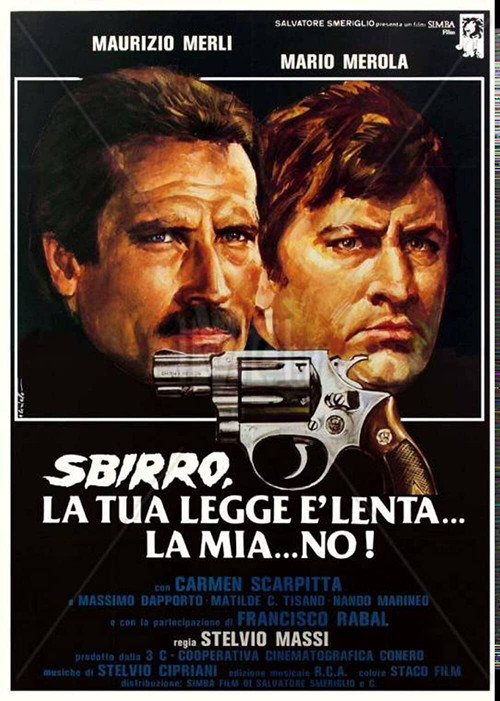
Hunted City
1979
No user ratings available yet
Diversity score: 2.9 out of 10
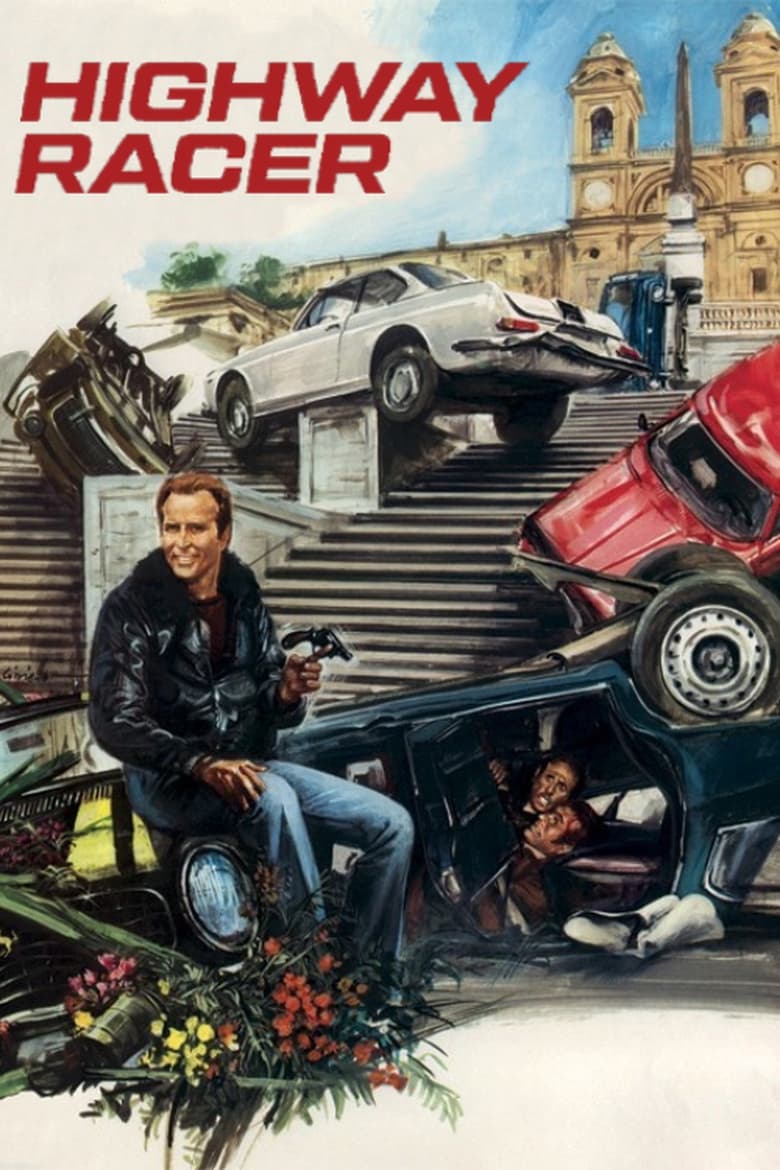
1977
Director
Stelvio Massi
Runtime
96 minutes
Average Rating
No ratings yetSynopsis
Maurizio Merli stars as a hot-shot police driver who has more guts than brains, often landing him in hot water with his middle-aged mentor, who was once a legendary police interceptor responsible for numerous large scale arrests.
Overall Score
Minimal
Category Breakdown
LGBTQ+ Representation
The film operates within a strictly heteronormative social landscape. There is no evidence of queer themes or non-cisnormative gender identities.
Gender Representation
The narrative is heavily centered on male-dominated spaces like law enforcement and the criminal underworld. Women appear only in peripheral roles without significant plot agency.
Racial & Ethnic Diversity
The cast is predominantly white and Eurocentric, reflecting the specific cultural context of 1970s Italy. It maintains a very homogeneous demographic profile.
Religious & Cultural Diversity
The story focuses on the mechanics of crime and justice rather than systemic critiques. It follows standard genre conflicts between criminals and the state.
Disability Representation
There is no discernible representation of visible or invisible disabilities. Characters are defined by the physical capabilities required for high-stakes action.
Strengths
Areas for Improvement
AI Analysis
Highway Racer is a quintessential genre piece that prioritizes kinetic storytelling and the tropes of the poliziotteschi movement. The film functions as a period-specific reflection of 1970s Italian action cinema, focusing on visceral urban tension and the mechanics of crime. Because the narrative architecture adheres to traditional law-and-order tropes, it reinforces established social hierarchies. The film lacks the intentionality needed to disrupt conventional expectations regarding gender, race, or identity, opting instead for a narrow, masculine-driven focus.
1979
1980
1978
1978
1977
1987
1975
1974
1997
1966
1976
1976
No reviews yet. Be the first to share your thoughts on this movie!
Use the rating form above to leave a star rating and optional review.