Violent Rome
1975
No user ratings available yet
Representation score: 3.6 out of 10
Representation Score
Limited
1976
Director
Giuseppe Rosati
Runtime
94 minutes
Average Rating
No ratings yetNew Showbiz Analysis
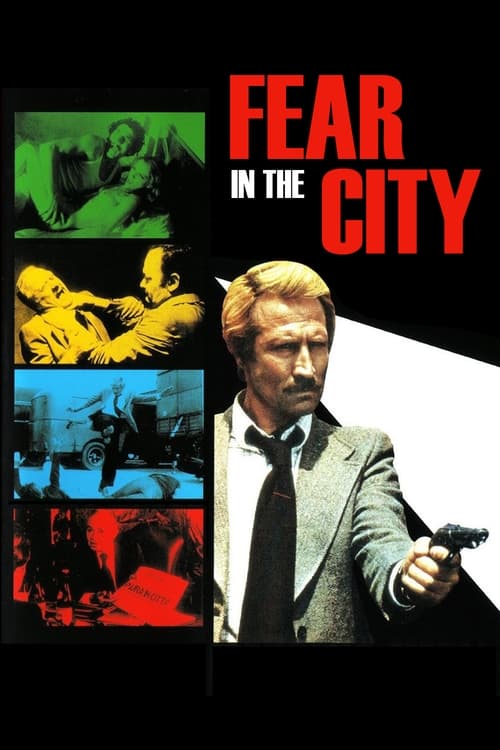
Fear in the City is a gritty crime drama that emphasizes the 'rogue cop' archetype over diverse social representation. The film leans on traditional masculine themes and a focus on straight relationships. It contrasts a lone hero with state institutions. Despite lacking depth on race, gender, or sexual orientation, the film stands out by questioning institutional authority. It promotes individual action against systemic limitations. Overall, the movie works as a period-specific crime drama that highlights social chaos and situational ethics rather than a wide range of human experiences.
Category Breakdown
The film does not include any LGBTQ+ characters or stories about non-straight identities. The plot revolves around a central investigation and a traditional romance.
The story focuses on a male protagonist in a male-dominated professional environment. The female lead serves as a link through her relationship to the antagonist.
The film probably mirrors the demographic uniformity typical of 1970s Italian urban crime dramas. There is no indication of intentional racial diversity in the cast.
The narrative critiques Western institutions by showing law enforcement as morally flawed. It highlights individual choice over strict institutional rules.
There are no characters with visible or invisible disabilities mentioned in the story.
Present on Screen
Limited or Absent
Official Synopsis
The film focuses on Murri; the token maverick cop. He is called in after a bunch of criminals pull off a successful prison break and spend the night picking off various informers and people they don't like. Murri investigates; hooking up with one of the criminal's nieces along the way. He uses his own methods; which mostly involve breaking all the rules, and thus comes under a lot of scrutiny from his superiors who don't take too kindly to the cop's way of working.
1975
1973
1979
1972

1976

1966
1978
1973
No reviews yet. Be the first to share your thoughts on this movie!
Use the rating form above to leave a star rating and optional review.