
Bodyguard Kiba 2
1973
No user ratings available yet
Representation score: 3.4 out of 10
Representation Score
Limited
1976
Director
Kōsaku Yamashita
Runtime
93 minutes
Average Rating
No ratings yetNew Showbiz Analysis
Jail Breakers is a fast-paced, genre-driven crime action film that emphasizes action over social critique. The narrative revolves around traditional masculine archetypes and the mechanics of criminal activity and prison escapes. The film adheres to the established clichés of its era, featuring a homogeneous cast and conventional social structures. It does not aim to disrupt hierarchies or offer characters who reflect more than one aspect of diversity. Ultimately, the film serves the demands of the action genre rather than functioning as a tool for social or cultural critique.
Category Breakdown
The film does not include any LGBTQ+ characters or narratives that challenge the assumption that everyone is straight. It follows the conventional norms of 1970s Japanese action cinema.
The story focuses on male protagonists, particularly Kamiki and his gang, who have significant roles in driving the plot. Female characters do not have substantial narrative influence.
The cast is reflective of the homogeneous population of 1970s Japan. The film avoids harmful stereotypes but does not feature diverse casting to break demographic expectations.
The story centers on the archetype of the career criminal and the underworld hierarchy. It adheres to genre conventions without providing a critical look at social structures.
The film does not include any characters with visible or invisible disabilities. There is no information on how disability is portrayed.
Present on Screen
Limited or Absent
Official Synopsis
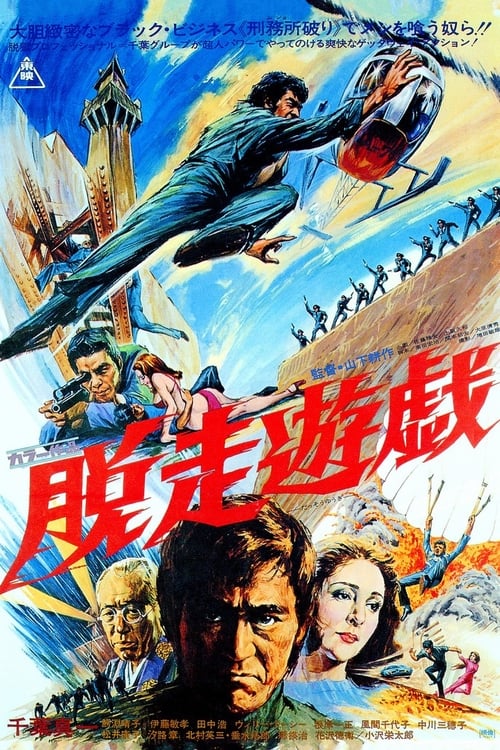
Kamiki (Sonny Chiba) is a career criminal who is given the chance to break out of prison for the 33rd time. Afterwards Kaimiki teams up with a bunch of thugs that engineer prison escapes for money.
1973

1999

1974

1971

1974

1968

2017

1966
No reviews yet. Be the first to share your thoughts on this movie!
Use the rating form above to leave a star rating and optional review.