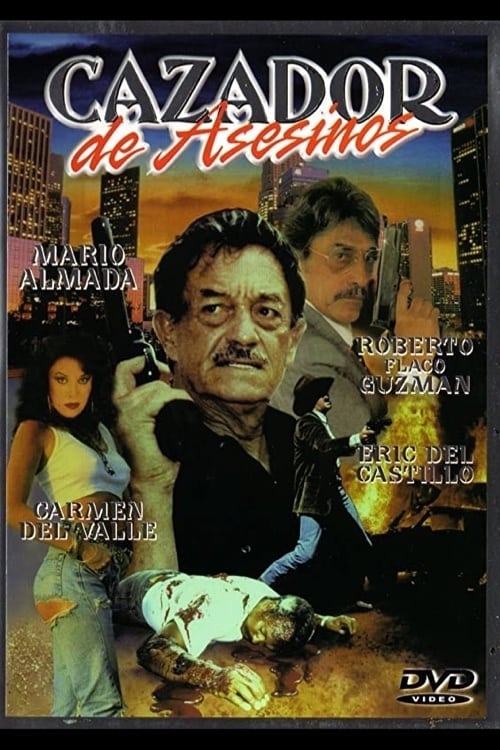
Cazador De Asesinos
1983
No user ratings available yet
Diversity score: 2.7 out of 10
1975
Director
Luciano Ercoli
Runtime
95 minutes
Average Rating
No ratings yetSynopsis
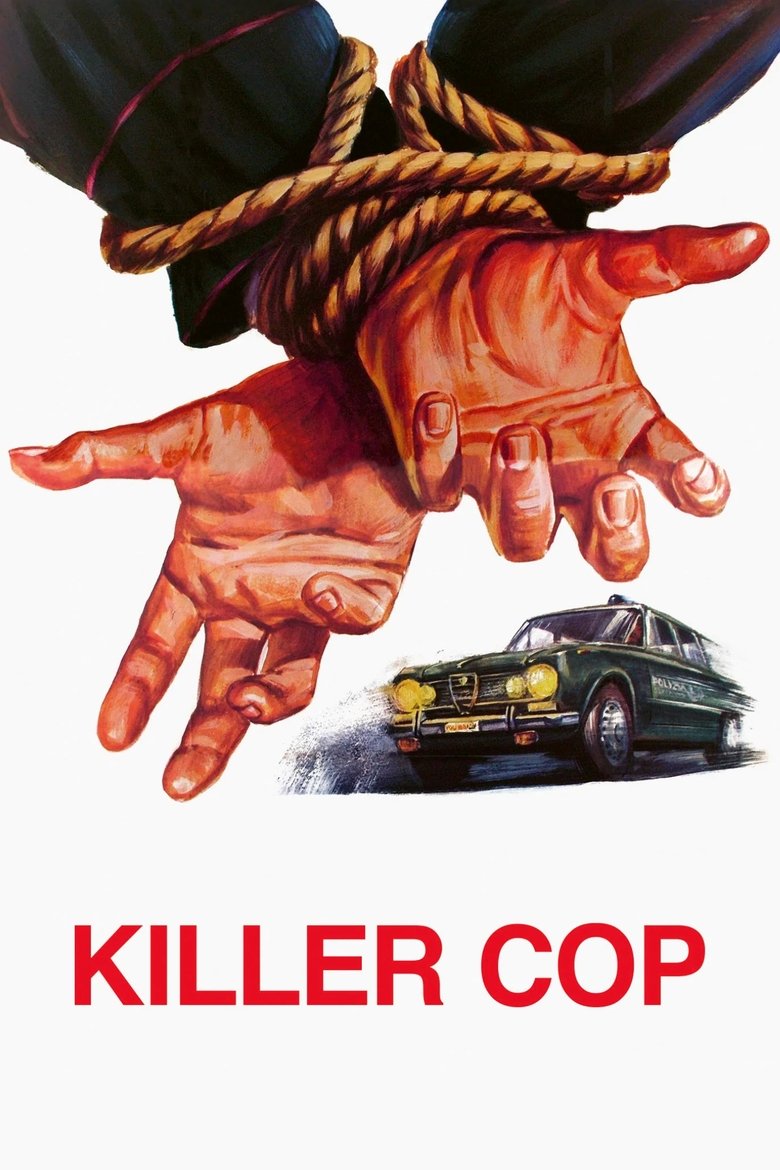
In a crowded hotel in the center of Milan a bomb has been planted. The time device on its detonator has only minutes to run. A young detective discovers the bomb by accident and is drawn into a terrifying nightmare of intrigue, brutality and ruthless killing. This is a world where human life is sold or sacrificed for twisted ideals. A world of international terrorism. The time is now.
Overall Score
Limited
Category Breakdown
LGBTQ+ Representation
The film lacks any discernible presence of LGBTQ+ characters or narratives. The focus remains strictly on heteronormative tension and traditional interpersonal dynamics.
Gender Representation
Female characters are prominent but often defined by their proximity to danger rather than autonomous agency. Masculine roles reinforce traditional authority and investigative competence.
Racial & Ethnic Diversity
Casting appears largely homogeneous, adhering to standard European practices of the era. There is no evidence of significant racial blending or non-white characters in high-agency roles.
Religious & Cultural Diversity
The story functions as a standard genre piece focused on crime and justice. It uses international terrorism as a plot driver rather than a critique of Western institutions.
Disability Representation
There is no visible evidence of characters with physical, sensory, or neurodivergent disabilities. The film does not engage with the complexities of navigating life with impairments.
Strengths
Areas for Improvement
AI Analysis
Killer Cop is a conventional product of 1970s Italian crime cinema, prioritizing genre tropes like suspense and urban chaos over diverse character studies. The narrative architecture relies heavily on established social hierarchies and traditional archetypes. The film offers minimal disruption to existing power dynamics, focusing instead on the mechanics of law enforcement and international terrorism. It lacks intersectional depth, providing little representation for LGBTQ+ individuals or characters with disabilities. Ultimately, the work reflects the sociological constraints of its era, presenting a homogeneous view of urban life in Milan without exploring broader identity-driven narratives.
No reviews yet. Be the first to share your thoughts on this movie!
Use the rating form above to leave a star rating and optional review.