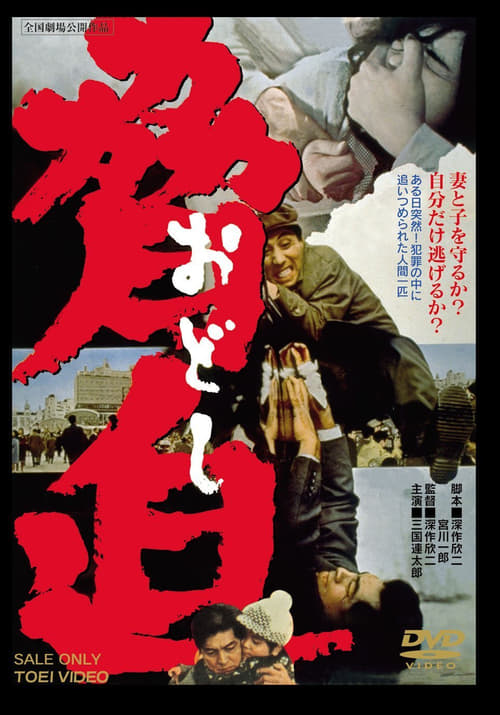
The Threat
1966
No user ratings available yet
Diversity score: 3.5 out of 10
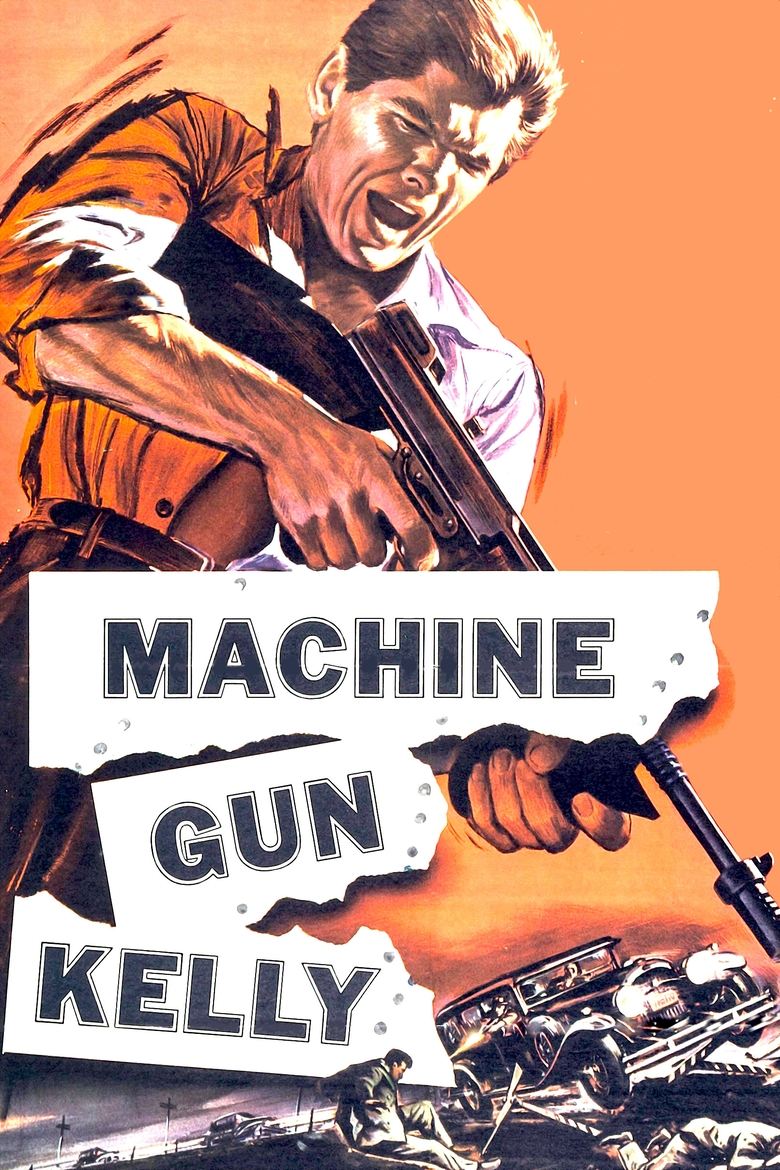
1958
NRDirector
Roger Corman
Runtime
83 minutes
Average Rating
No ratings yetSynopsis
George Kelly is angry at the world and scared to death of dying. A career bank robber, Kelly gets his confidence from his Thompson SMG and his girl Flo. After a botched robbery, Flo, Kelly and his gang try their hand at a more lucrative job: kidnapping.
Overall Score
Minimal
Category Breakdown
LGBTQ+ Representation
The film follows a conventional heteronormative structure. The central romantic motivation is tied to the protagonist's relationship with Flo, with no queer subtext or non-cisnormative identities present.
Gender Representation
The narrative is driven by male-dominated agency centered on crime and weaponry. While Flo provides emotional support, she remains a secondary figure serving as a catalyst for the male lead.
Racial & Ethnic Diversity
The cast and setting reflect the homogeneous social structures typical of 1950s American crime cinema. The film centers on a standard Anglo-centric criminal underworld without significant racial blending.
Religious & Cultural Diversity
The story adheres to traditional Western tropes of individualistic crime. It functions as a character study of an outlaw rather than a systemic critique of Western institutions or capitalism.
Disability Representation
There are no visible or invisible disabilities portrayed within the character ensemble. The narrative does not utilize disability as a central theme or character-driven element.
Strengths
Areas for Improvement
AI Analysis
Machine-Gun Kelly is a quintessential product of its era, functioning as a traditional crime drama that reinforces mid-century social hierarchies. The film relies heavily on established genre tropes that prioritize conventional masculinity and heteronormative relationship structures. The narrative lacks engagement with intersectional identities or systemic critiques. Instead, it focuses on a narrow, Anglo-centric view of the criminal underworld, typical of 1950s B-movie productions. Ultimately, the film serves as a baseline example of its time, reinforcing rather than disrupting the cultural norms of the late 1950s.
1966
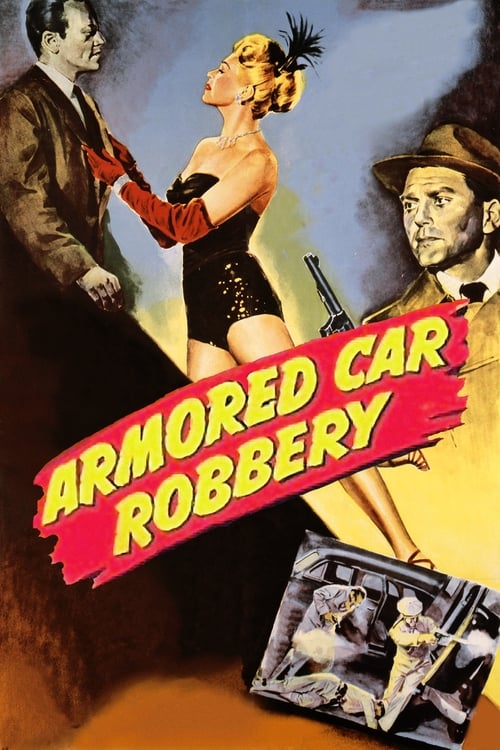
1950
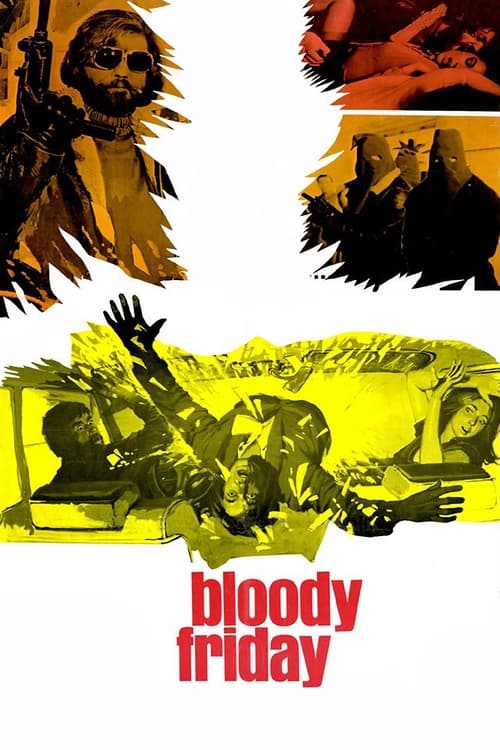
1972

1968
1957
No reviews yet. Be the first to share your thoughts on this movie!
Use the rating form above to leave a star rating and optional review.