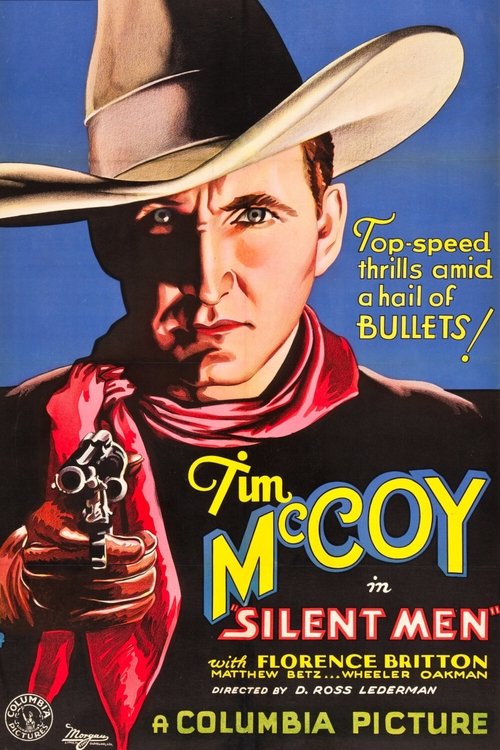
Silent Men
1933
No user ratings available yet
Representation score: 0.9 out of 10
Representation Score
Minimal
1931
PassedDirector
D. Ross Lederman
Runtime
58 minutes
Average Rating
No ratings yetNew Showbiz Analysis
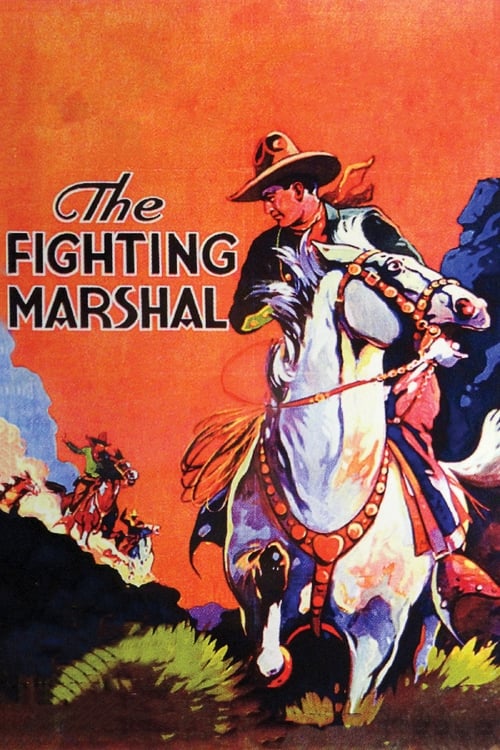
The Fighting Marshal is a conventional 1931 Western that operates strictly within the genre clichés of its era. The narrative is built around male-driven conflict, focusing on a protagonist's quest to clear his name and reclaim stolen money. Because the film relies on traditional masculine archetypes and individualist heroism, it lacks complexity in reflecting multiple aspects of identity. The story reinforces established social hierarchies and moral binaries rather than challenging them. Ultimately, the film serves as a standard example of early studio-era Westerns, prioritizing linear morality and traditional adventure over diverse or subversive representation.
Category Breakdown
The film does not include any LGBTQ+ characters or stories that go beyond the assumption that everyone is straight or cisgender.
The story focuses on male protagonists and themes of masculine conflict. It emphasizes male-driven roles and traditional leadership, offering limited challenges to gender hierarchies.
The narrative likely reflects the era's standard casting practices by prioritizing Anglo-Saxon leads. It follows the homogeneous racial norms typical of early Hollywood Westerns.
The plot uses a traditional Western framework centered on individual justice. It reinforces institutional ideals of law and order rather than offering cultural critiques.
There is no mention of characters with visible or invisible disabilities. No specific character details are available to assess this category.
Present on Screen
Limited or Absent
Official Synopsis
Not knowing he has just been pardoned, Tim Benton (Tim McCoy, Texas Cyclone) escapes from prison with his cellmate, Red Larkin (Matthew Betz, The Wedding March), a dangerous killer. Disguised as the town's lawman, Tim sets off for Silver City to take back money that's rightfully his and hopefully clear his name. But Red has plans of his own and wants the money for himself. Newly remastered.
1933
1970
1934
1935
1928
1932
1934
1946
No reviews yet. Be the first to share your thoughts on this movie!
Use the rating form above to leave a star rating and optional review.