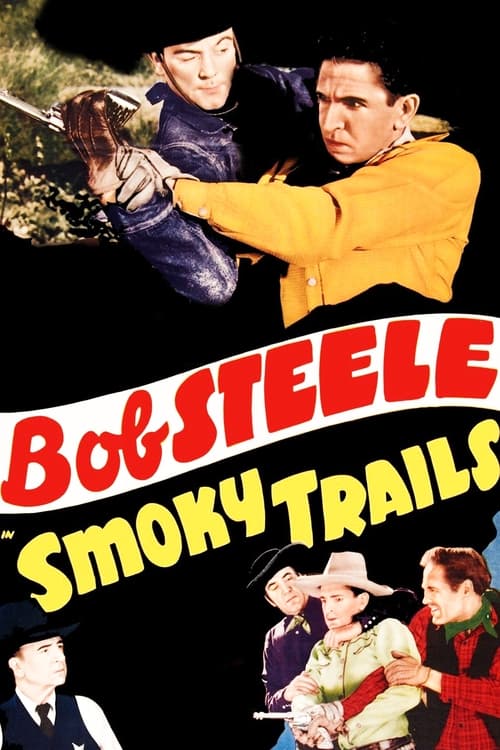
Smoky Trails
1939
No user ratings available yet
Diversity score: 1.9 out of 10
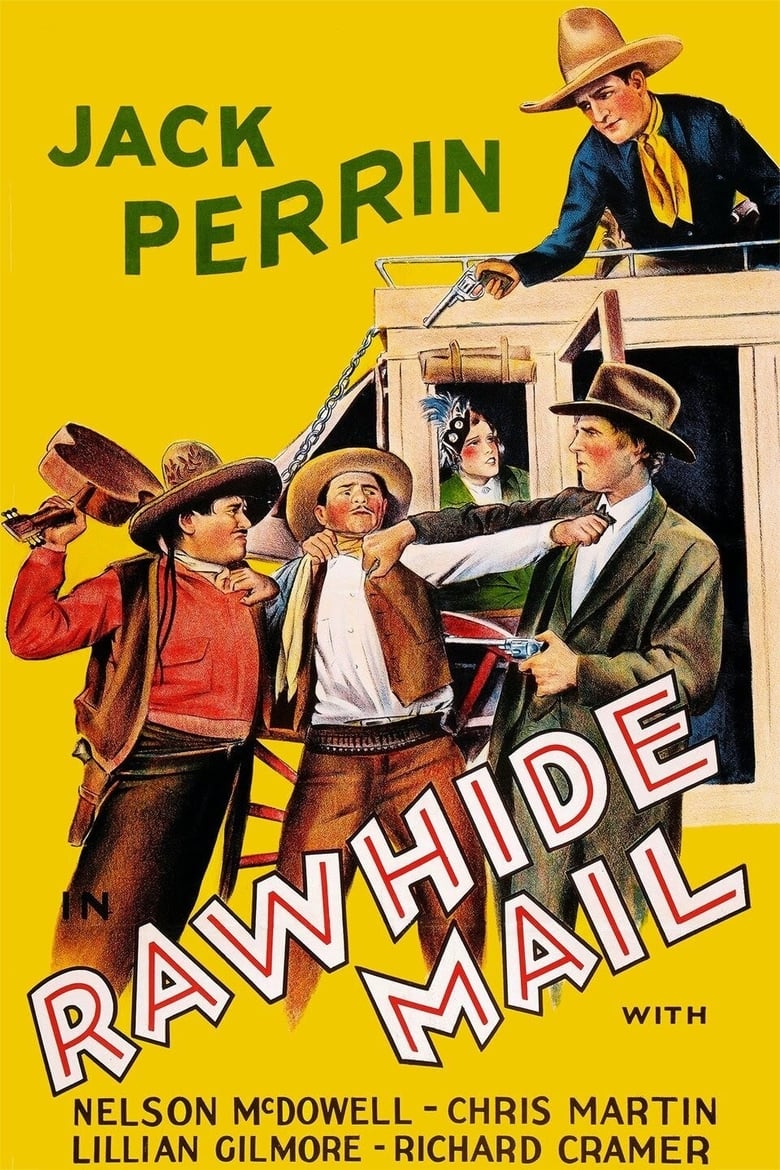
1934
PassedDirector
Bernard B. Ray
Runtime
59 minutes
Average Rating
No ratings yetSynopsis
Reed breaks up the first attempted gold robbery. When the outlaws next attempt is successful, Reed is jailed as the suspect. Escaping from jail, he knows who to look for.
Overall Score
Minimal
Category Breakdown
LGBTQ+ Representation
The film follows a traditional Western structure. There is no evidence of non-cisnormative identities or depictions of same-sex intimacy.
Gender Representation
The plot centers on Reed, a male protagonist driving the story through physical agency. It reinforces traditional masculine leadership without indicating female agency.
Racial & Ethnic Diversity
The narrative architecture suggests a focus on Anglo-Saxon frontier tropes. It likely depicts homogeneous white protagonists typical of 1934 Westerns.
Religious & Cultural Diversity
The film utilizes a traditional Western moral framework centered on justice. It supports the standard law and order paradigm of the period.
Disability Representation
No characters with visible or invisible disabilities are mentioned. The narrative focuses on physical prowess and mobility, such as escaping jail.
Strengths
Areas for Improvement
AI Analysis
Rawhide Mail is a quintessential 1930s B-movie Western that relies heavily on established genre tropes. The story follows a standard 'wronged man' trajectory, focusing on a male hero's pursuit of justice after being falsely accused of robbery. The film adheres to the rigid social and cultural hierarchies of its era. It centers on traditional notions of law, order, and rugged individualism, offering little room for intersectional complexity or diverse perspectives. Ultimately, the production functions as a conventional morality tale. It reinforces the masculine archetypes and Anglo-Saxon frontier narratives common to the early studio system.
1939
1935
1934

1944

1929

1939
1954
1942
1933
1934
1931
1941
No reviews yet. Be the first to share your thoughts on this movie!
Use the rating form above to leave a star rating and optional review.