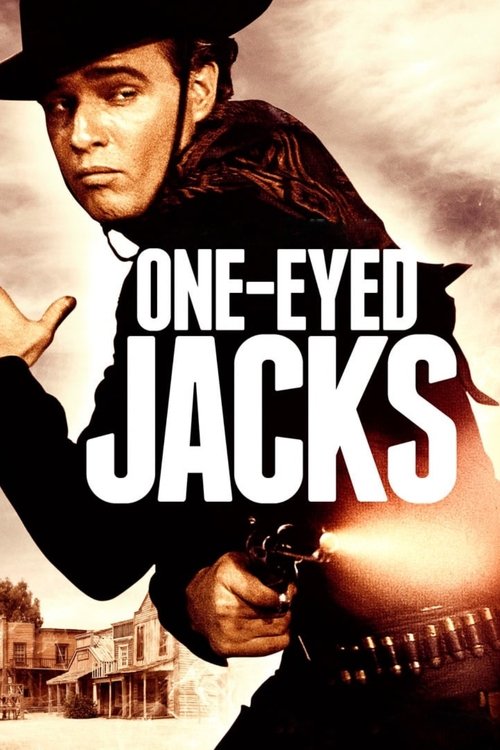
One-Eyed Jacks
1961
No user ratings available yet
Representation score: 4.8 out of 10
Representation Score
Minimal
1970
RDirector
Joseph L. Mankiewicz
Runtime
123 minutes
Average Rating
No ratings yetNew Showbiz Analysis
Joseph L. Mankiewicz presents a revisionist Western that focuses on complex characters rather than traditional heroes. While the film effectively dismantles genre clichés through moral ambiguity, it remains confined by the demographic norms of its time. The film’s strength lies in its nuanced critique of authority and justice, but it falls short in providing diverse representation across gender, race, and LGBTQ+ identities.
Category Breakdown
The film follows traditional standards typical of 1970s Westerns, with no representation of LGBTQ+ identities or non-assuming gender matches what was assigned at birth characters.
Female characters play minor roles and lack the power to drive the main storyline, operating within a male-dominated structure.
The cast is primarily white and Anglo-Saxon, reflecting the homogeneous society of the 1870s frontier.
The film challenges conventional Western morals by presenting a morally ambiguous protagonist who questions the legitimacy of formal legal systems.
There are no prominent depictions of visible or invisible disabilities that serve as central character arcs.
Present on Screen
Limited or Absent
Official Synopsis
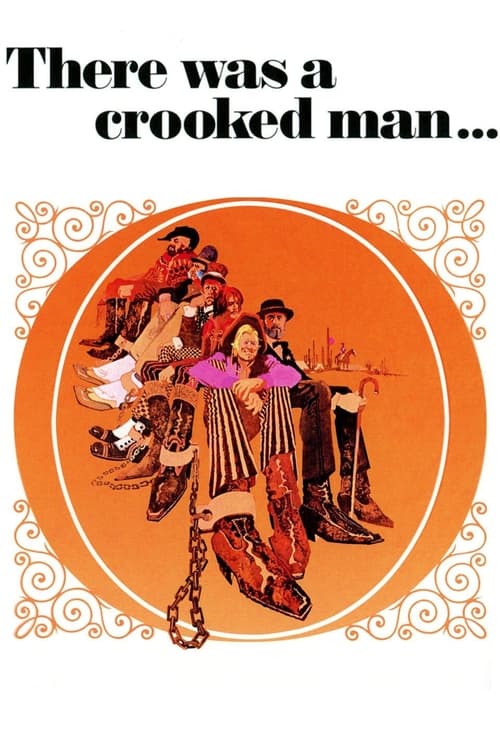
A charming but ruthless criminal is sent to a remote Arizona prison, where he enlists the help of his cellmates in an escape attempt with the promise of sharing his hidden loot.
1961
1967
1962

1957
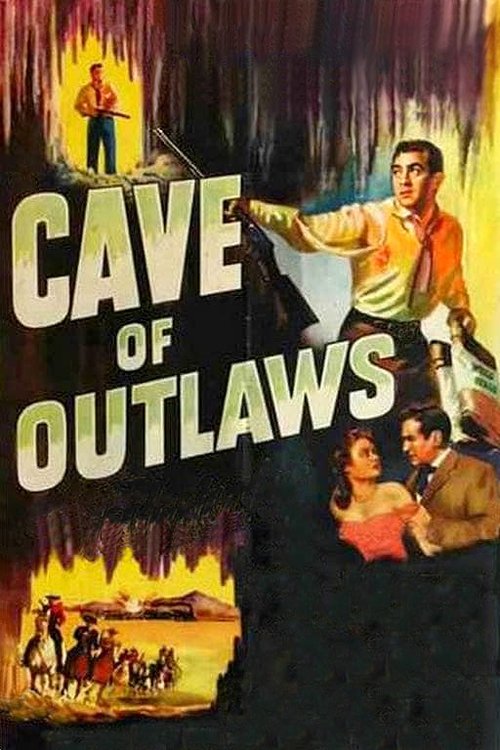
1951
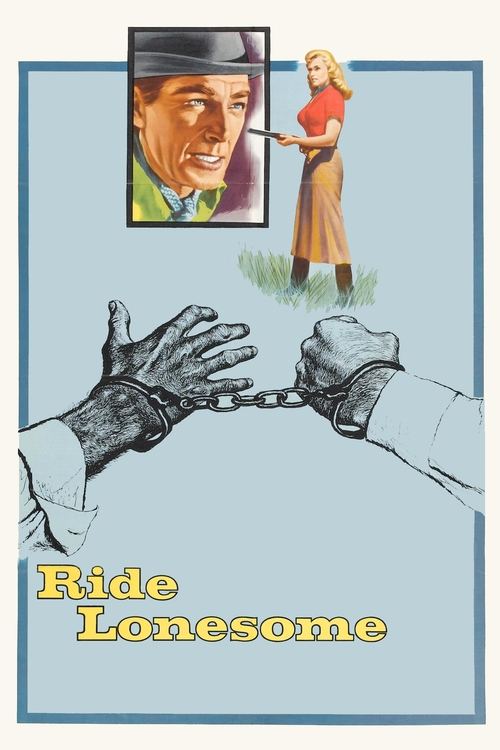
1959
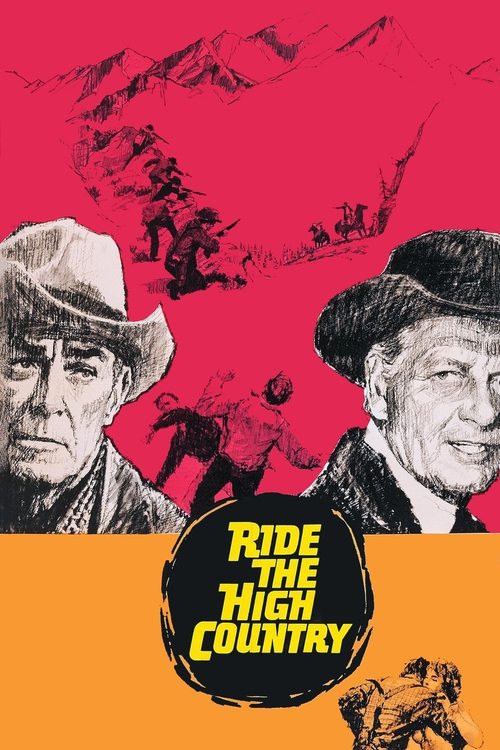
1962
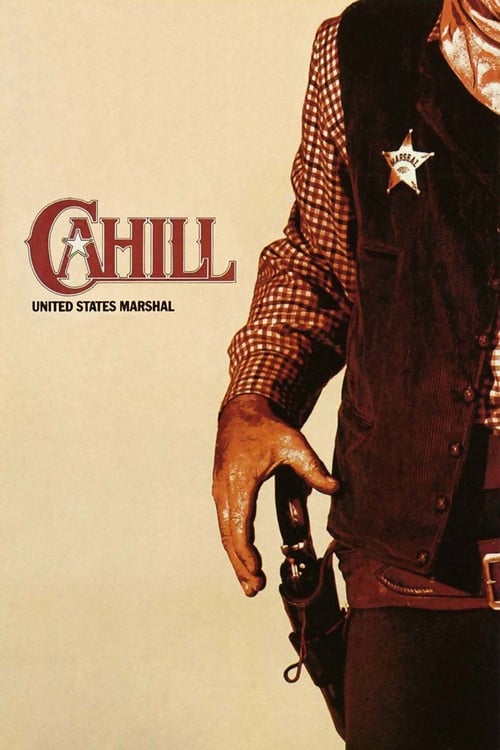
1973
No reviews yet. Be the first to share your thoughts on this movie!
Use the rating form above to leave a star rating and optional review.