Partners
1932
No user ratings available yet
Representation score: 1.7 out of 10
Representation Score
Minimal
1933
PassedDirector
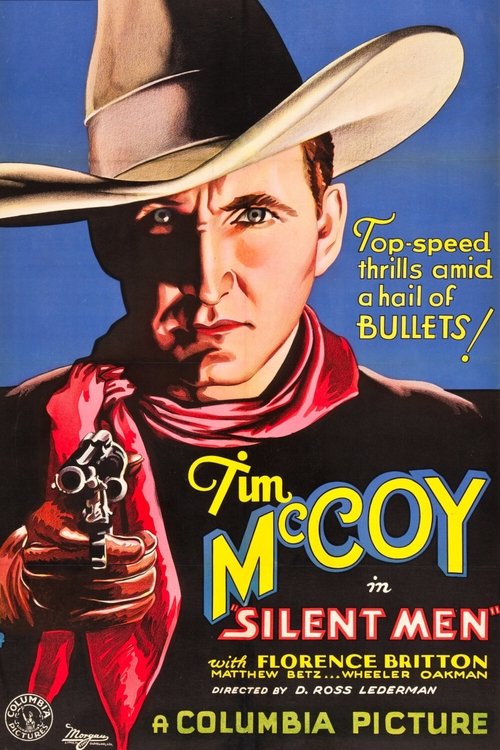
D. Ross Lederman
Runtime
57 minutes
Average Rating
No ratings yetNew Showbiz Analysis
Silent Men is a traditional B-movie Western that sticks closely to the genre conventions of 1933. The narrative centers on a single male protagonist, Tim Richards, dealing with cattle rustling and wrongful imprisonment. This creates a narrow, male-focused framework. The film does not aim to challenge social norms or provide nuanced representation for underrepresented groups. Instead, it offers a standard, homogeneous view of the American frontier, emphasizing procedural justice and traditional morality. Overall, the film serves as a typical example of its era, focusing on traditional Western themes without attempting to disrupt social expectations.
Category Breakdown
The film does not include any LGBTQ+ characters or narratives. It follows the traditional assumption that everyone is straight or cisgender.
The story revolves around a male-dominated structure featuring Tim Richards and the Wilder brothers. It emphasizes masculine themes such as prison breaks and cattle inspections.
The narrative suggests a uniform depiction of the Western frontier. There are no non-white characters playing key roles in the story.
The plot adheres to conventional ideas about justice and property rights. It follows standard procedural clichés without challenging established Western institutions.
There are no characters with visible or invisible disabilities. The film does not include any neurodivergent representation.
Present on Screen
Limited or Absent
Official Synopsis
In prison for a crime he didn't commit, Tim Richards has escaped and is now a cattle inspector. He is after the Wilder brothers who he thinks are rustling cattle.
1932

1939
1931
1938

1933
1936
1948
1934
No reviews yet. Be the first to share your thoughts on this movie!
Use the rating form above to leave a star rating and optional review.