Forest of Bliss
1986
No user ratings available yet
Diversity score: 5.9 out of 10
1926
NRDirector
Robert Flaherty, Frances H. Flaherty
Runtime
98 minutes
Average Rating
No ratings yetSynopsis
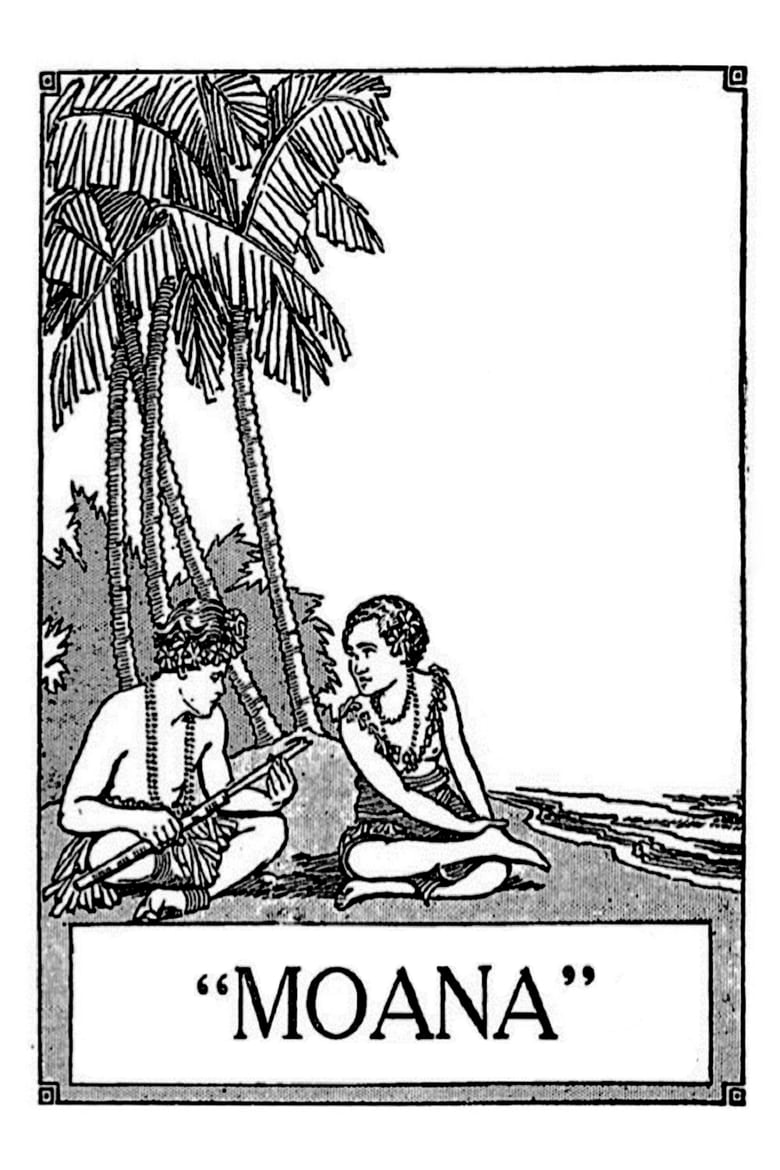
Robert J. Flaherty’s follow-up to Nanook of the North shifts from the Arctic to the South Seas, portraying Samoan village life with a painterly eye. Blending ethnographic detail with a romanticized “Gauguin idyll,” the film celebrates daily rituals, communal traditions, and the passage into adulthood, suffused with what Flaherty called “pride of beauty, pride of strength.”
Overall Score
Fair
Category Breakdown
LGBTQ+ Representation
The film focuses on communal rituals and traditional lifestyles. There is no evidence of non-cisnormative gender identities or same-sex intimacy within the footage.
Gender Representation
The documentary observes traditional gendered divisions of labor in Samoan village life. It highlights women's agency within domestic roles but does not subvert existing social hierarchies.
Racial & Ethnic Diversity
Polynesian people are the central subjects, disrupting the Western-centric ethnographic gaze of the era. The film provides high agency to the indigenous community within their own context.
Religious & Cultural Diversity
The film emphasizes communal traditions and subsistence living, offering a non-Western worldview. However, it presents an idealized, painterly view rather than a direct critique of Western structures.
Disability Representation
There is no specific evidence regarding the portrayal of visible or invisible disabilities in the available archival context.
Strengths
Areas for Improvement
AI Analysis
Moana (1926) is a landmark ethnographic documentary that centers Polynesian life, moving away from the Western-centric focus common in early 20th-century cinema. By placing indigenous communities at the heart of the narrative, it achieves high marks for racial and ethnic representation. However, the film operates through a romanticized lens. While it captures the strength of the community, it tends to observe and preserve existing social hierarchies rather than deconstructing them. This observational approach limits its impact on gender and social critique. Ultimately, the film serves as a significant historical document. It disrupts the white-centric documentary tradition of its time, even while remaining tethered to the idealized, romanticized perspectives of the era.
1986
1966
1925

1989
1957

2025
2015

1955
1959

1956

1957
1960
No reviews yet. Be the first to share your thoughts on this movie!
Use the rating form above to leave a star rating and optional review.