
Hokusai
1953
No user ratings available yet
Representation score: 4.7 out of 10
Representation Score
Fair
1957
Director
Hiroshi Teshigahara
Runtime
32 minutes
Average Rating
No ratings yetNew Showbiz Analysis
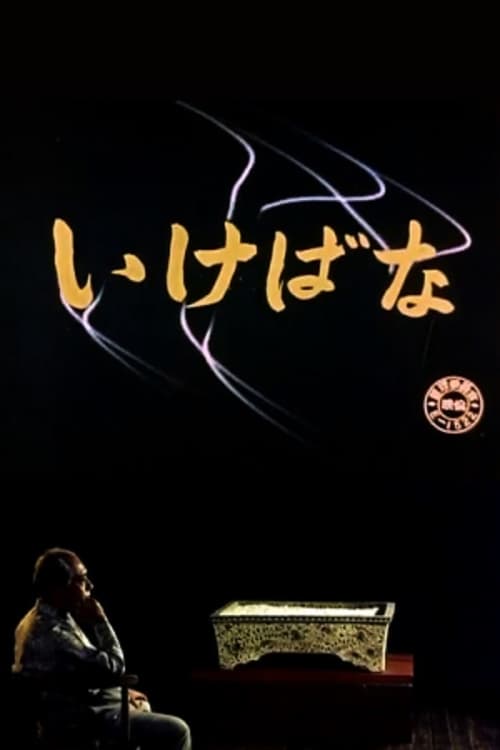
Hiroshi Teshigahara’s *Ikebana* is a profound exploration of Japanese aesthetic traditions and the Sogetsu School. It offers a meditative look at the tension between heritage and modernity, serving as a cultural preservation piece. However, the film adheres to mid-century social structures. It lacks diverse representation and fails to challenge traditional gender roles, often prioritizing male-centric dynamics over female empowerment.
Category Breakdown
The film does not include any LGBTQ+ characters or narratives focused on queer identities. It emphasizes traditional interpersonal relationships without addressing non-straight relationships.
Gender dynamics in the film follow traditional hierarchies where males hold significant influence. Female characters often serve as catalysts for male instability rather than showing strong ability to act or challenging male authority.
The cast and setting are predominantly Japanese, providing a culturally authentic representation of Japanese identity. However, the film lacks diversity in terms of different ethnic backgrounds.
The film examines the tension between traditional culture and modern urban life. It centers around the Sogetsu School to critique the impact of modernization on cultural heritage.
The film does not feature any significant representation of physical or neurodivergent disabilities. The protagonist's psychological issues are presented through a mid-century lens rather than exploring neurodivergence.
Present on Screen
Limited or Absent
Official Synopsis
The history and art of ikebana, a centuries old Japanese art of flower arrangement and a look inside the Sogetsu School of Ikebana, where the director's father Sofu Teshigahara worked as the grand master of the school.
1953
1978
1961

2014
2006

2011
2004
2011
No reviews yet. Be the first to share your thoughts on this movie!
Use the rating form above to leave a star rating and optional review.