Dead Birds
1963
No user ratings available yet
Representation score: 3.6 out of 10
Representation Score
Fair
1960
12Director
Eugen Schuhmacher
Runtime
100 minutes
Average Rating
No ratings yetNew Showbiz Analysis
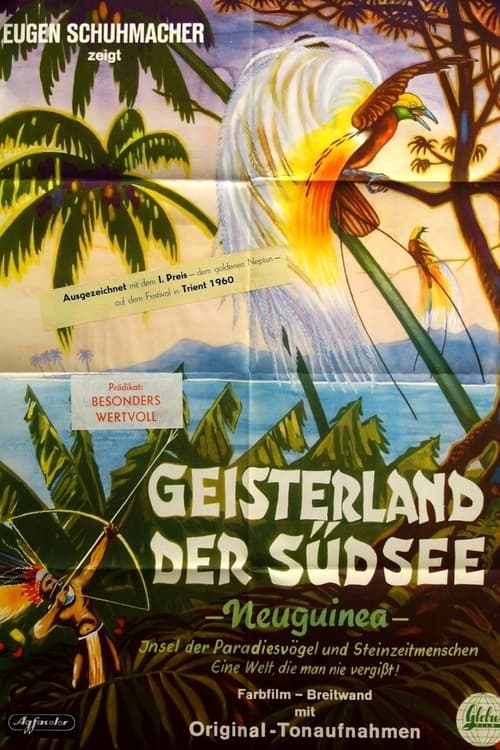
The Fabulous South Seas serves as an ethnographic record of New Guinea. It successfully showcases the Papuan people’s culture, festivals, and biodiversity, offering a non-Western perspective that was notable for its time. However, the film lacks the narrative depth needed for a higher diversity score. Since it functions as an observational study of existing social structures, it does not offer the character development or multi-layered themes found in modern progressive cinema. Ultimately, the work is a visual record of tradition without attempting to critique or disrupt the observed social hierarchies.
Category Breakdown
The documentary focuses on the ritual life and natural landscapes of New Guinea. There are no LGBTQ+ characters or narratives addressing non-straight relationships.
The film highlights traditional Papuan gender roles and social structures. However, it lacks character-driven stories or narrative arcs that challenge gender hierarchies.
The film centers the Papuan people and their culture, providing significant visibility to their daily lives and traditions. It prioritizes their perspective over a Western viewpoint.
Indigenous spirituality is showcased through spirit dances and ritual festivals. However, the film may fall into the exoticism cliché by presenting these rituals as spectacles for an external audience.
There is no specific depiction of individuals with physical or neurodivergent disabilities in the film.
Present on Screen
Limited or Absent
Official Synopsis
The island of New Guinea is the setting for this film, which focuses on the landscape, the life of the Papuans and their ritual festivals and spirit dances. The colorful birds of paradise are the pride of the islanders. Among the more than 40 species, the smallest, the "Little King" with blood-red plumage, can also be found on the island.
1963
2004
1956

1960
1961
1932
1940
2010
No reviews yet. Be the first to share your thoughts on this movie!
Use the rating form above to leave a star rating and optional review.