Paradise
1995
No user ratings available yet
Representation score: 2.9 out of 10
Representation Score
Limited
1925
PassedDirector
Ernest B. Schoedsack, Merian C. Cooper
Runtime
71 minutes
Average Rating
No ratings yetNew Showbiz Analysis
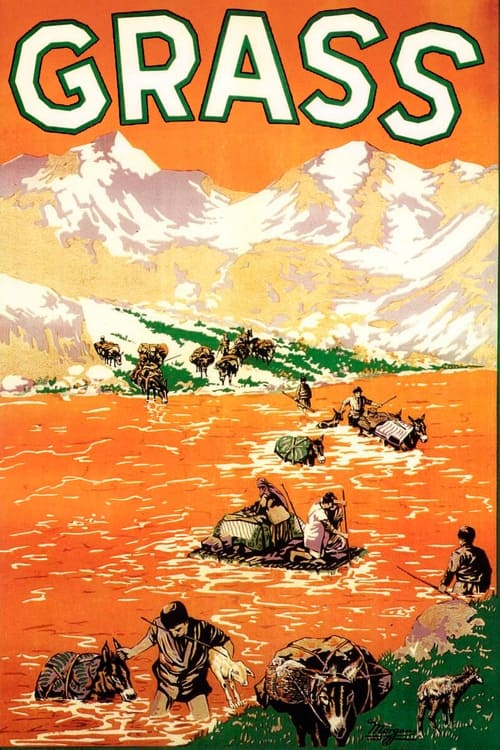
Grass: A Nation's Battle for Life is a landmark ethnographic documentary that provides important visibility to a non-Western community. By focusing on the Bakhtiari tribe of Persia, the film deviates from the era's typical focus on Anglo-Saxon subjects. However, the film adheres to the traditional social hierarchies and gender divisions of the 1920s. It lacks diverse representation, particularly regarding LGBTQ+ identities or disability. Ultimately, the film is a study of survival and communal rhythm, offering a unique historical perspective on indigenous life despite the limitations of early 20th-century filmmaking.
Category Breakdown
The film does not depict any non-cisgender identities or same-sex relationships. It focuses solely on the seasonal migration and survival of the Bakhtiari tribe.
The film portrays traditional social structures and gender roles typical of pastoralist societies. It does not show any subverted gender roles or non-traditional masculinity.
The film centers on the Bakhtiari tribe, providing significant attention to their lived experiences and survival struggles. It highlights a non-Western, non-Anglo-Saxon majority.
The film emphasizes the spiritual and social rhythms of a pastoralist society, showcasing indigenous rituals and socioeconomic structures independent of Western frameworks.
The film does not depict any visible or invisible disabilities. It focuses on the collective movement and physical endurance of the tribe and their herds.
Present on Screen
Limited or Absent
Official Synopsis
A silent documentary which follows a branch of the Bakhtiari tribe of Persia as they and their herds make their epic seasonal journey to better pastures.
1995
2004
1976
2016
2009
2010
1997
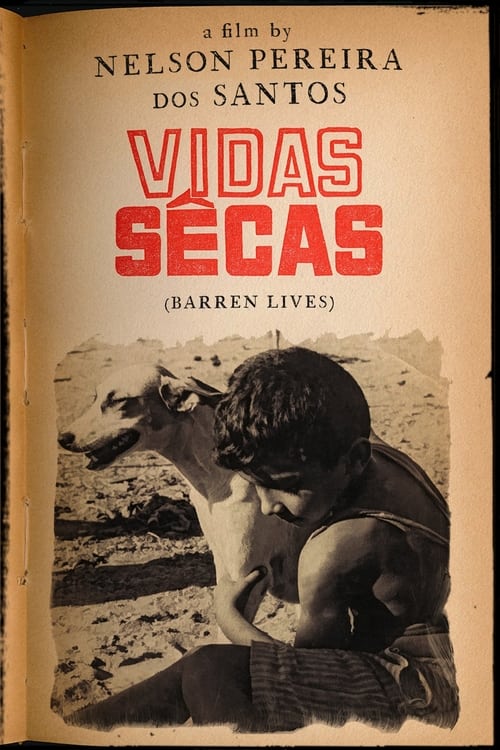
1963
No reviews yet. Be the first to share your thoughts on this movie!
Use the rating form above to leave a star rating and optional review.