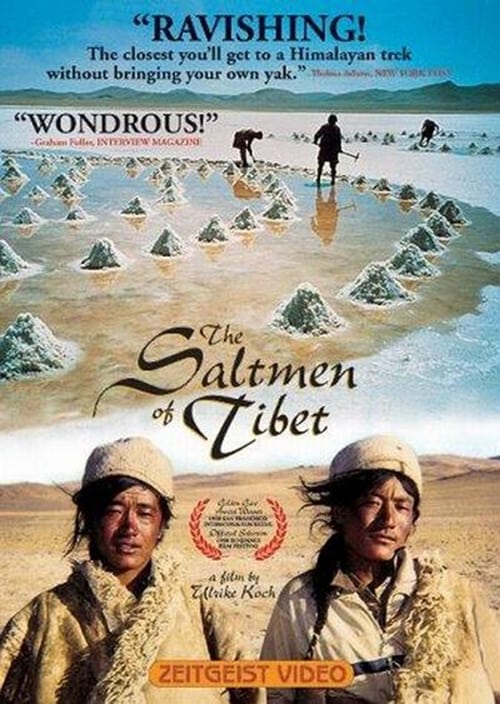
The Saltmen of Tibet
1997
No user ratings available yet
Representation score: 3.5 out of 10

Representation Score
Limited
1957
GDirector
Ralph Wright
Runtime
31 minutes
Average Rating
No ratings yetNew Showbiz Analysis
The film serves as a compelling cultural study that challenges the Western-centric gaze of 1950s media. By centering on the Tuareg people, it offers a rare mid-century look at a non-Western society that maintains ability to act through its rejection of globalized modernity. While the documentary lacks engagement with modern multi-layered concepts or LGBTQ+ identities, it succeeds in presenting a subjective, spiritual morality. The subjects' refusal of materialist values provides a significant departure from the standard cinematic clichés of the era.
Category Breakdown
The film focuses solely on traditional nomadic customs and religious observance. It does not include any characters or stories related to LGBTQ+ identities or non-traditional gender identities.
The narrative emphasizes the patriarchal structures of the nomadic tribes. It highlights communal and religious traditions that reinforce traditional gender roles and social hierarchies.
The documentary provides significant visibility to a North African ethnic group. It challenges Eurocentric trends by focusing on a non-white majority population and their unique cultural identity.
The film highlights a worldview where Islamic devotion and traditional customs take precedence over modern secularism. It portrays the rejection of Western technology as a means of preserving spiritual freedom.
The documentary does not address disability, neurodivergence, or physical impairments within its ethnographic study of the Tuareg people.
Present on Screen
Limited or Absent
Official Synopsis
The movie presents a mysterious and enigmatic world, a place where more than 40,000 — no one knows precisely how many — descendants of Arab conquerors live, the last great nomads of the world. These nomads are deemed the “Blue Men” due to their bluish complexion — not a racial characteristic, but the consequence of color from their clothing staining their skin. Each morning, they turn to Mecca and thank Allah for the blessing of their remaining liberty, that liberty which, in spite of all the pain and hardships, they would not exchange for houses, which they could not carry on their journeys, nor for radios, since the world outside does not exist for them, nor for watches, since it is not their custom to count the time.
1997

1961

1978
2004
1989
1922
1925

2010
No reviews yet. Be the first to share your thoughts on this movie!
Use the rating form above to leave a star rating and optional review.