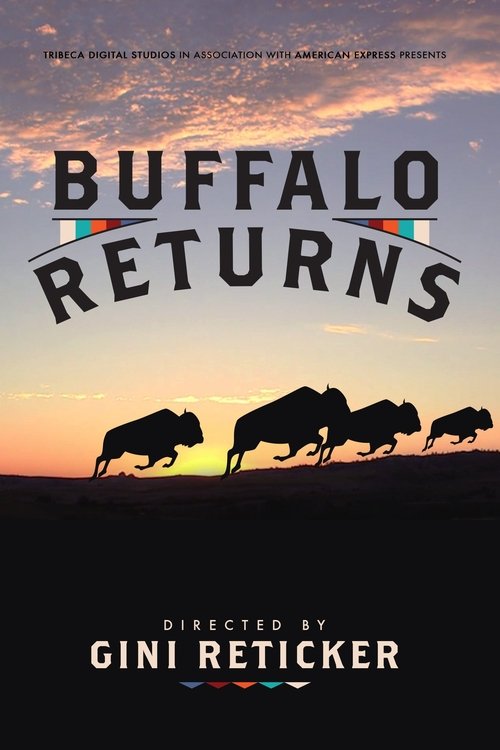
Buffalo Returns
2015
No user ratings available yet
Diversity score: 7.1 out of 10
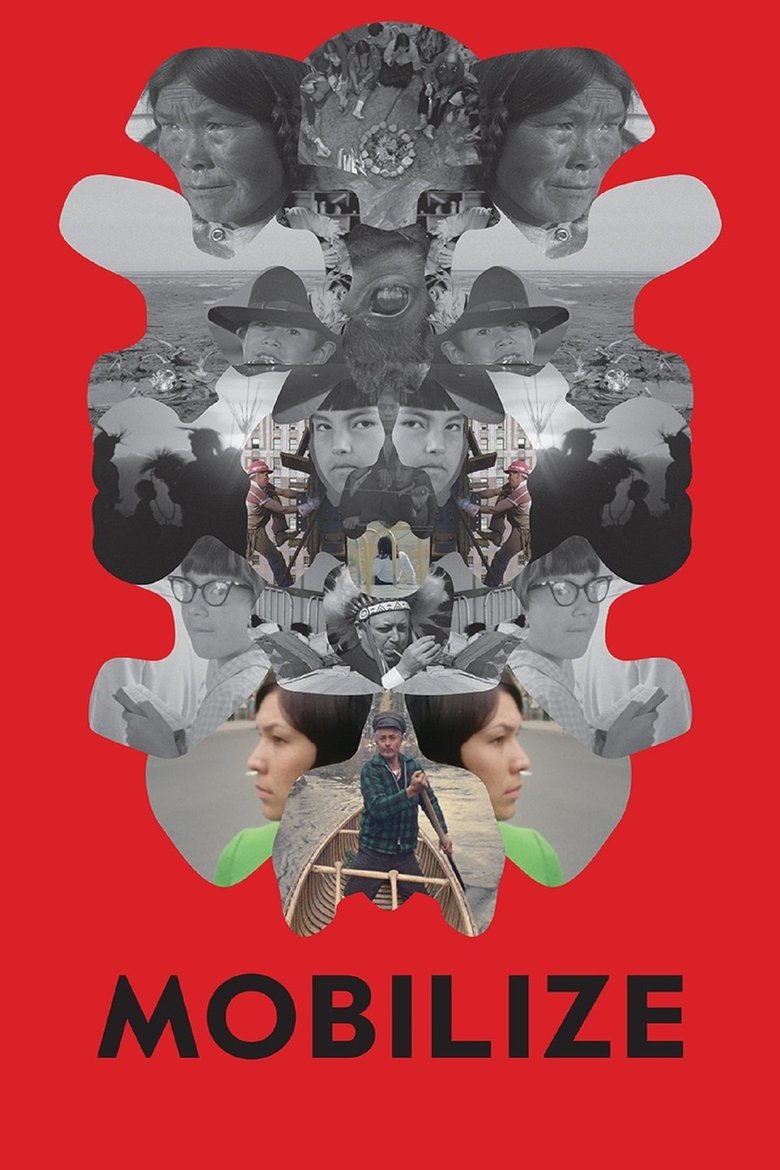
2015
Director
Caroline Monnet
Runtime
4 minutes
Average Rating
No ratings yetSynopsis
A journey by canoe into the city creates a dynamic interconnection between natural and urban spaces, in this evocative short set to a hypnotizing soundtrack by Inuk artist Tanya Taqaq.
Overall Score
Good
Category Breakdown
LGBTQ+ Representation
The film does not feature explicit LGBTQ+ character arcs or thematic focuses. The narrative centers on environmental and urban interconnections instead.
Gender Representation
Directed by a female auteur, the film shifts narrative agency toward a female-led creative vision. This approach departs from traditional male-dominated documentary perspectives.
Racial & Ethnic Diversity
The work centers Indigenous artistry and explores connections to territory. It disrupts standard Western urban narratives by providing a non-Anglo-Saxon perspective.
Religious & Cultural Diversity
The film prioritizes non-Western cultural epistemologies through its narrative architecture. Using a traditional canoe to navigate urban spaces critiques colonial separations of land and city.
Disability Representation
There is no documented evidence regarding the portrayal of physical or neurodivergent identities within this documentary.
Strengths
Areas for Improvement
AI Analysis
Mobilize is a highly intentional documentary that uses an Indigenous lens to challenge conventional hierarchies between nature and civilization. By centering the work of Inuk artist Tanya Taqaq and the direction of Caroline Monnet, the film successfully integrates Indigenous sonic and cultural landscapes into a modern urban setting. The film excels at disrupting Western spatial narratives. It uses traditional elements, like the canoe, to bridge the gap between natural ecosystems and cityscapes, effectively deconstructing the colonial dichotomy that separates land from urbanity. While the film lacks specific data regarding LGBTQ+ or disability representation, its strength lies in its profound cultural and racial intentionality. It moves beyond mere inclusion to prioritize non-Western ways of seeing the world.
2015
2014
2012
2015
2017
1926
1993
2012

2013
2017
2020
2014
No reviews yet. Be the first to share your thoughts on this movie!
Use the rating form above to leave a star rating and optional review.