
A Tale of Two Cities
1958
No user ratings available yet
Representation score: 1.7 out of 10

Representation Score
Fair
1980
Director
Jim Goddard
Runtime
162 minutes
Average Rating
No ratings yetNew Showbiz Analysis
This adaptation prioritizes historical realism and the socio-political turbulence of the French Revolution over modern demographic diversity. While it lacks LGBTQ+ and racial diversity, it excels in critiquing Western power structures. The film uses the period setting to examine institutional oppression and class conflict. It goes beyond a simple period drama by exploring the moral ambiguity inherent in revolutionary justice. Ultimately, the production opts for a deep, progressive examination of monarchy and aristocracy over demographic variety, making it a study of social upheaval rather than inclusive casting.
Category Breakdown
The film follows strict conventions that assume everyone is straight and cisgender, fitting its 18th-century setting. There are no depictions of non-straight or non-cisgender identities or intimate relationships between people of the same sex.
Lucie Manette embodies traditional domesticity as a moral center. Conversely, Madame Defarge challenges passive female stereotypes by becoming a powerful, destructive force during the revolution. She acts as a catalyst for violent change.
Casting is predominantly uniform to maintain historical accuracy. The production lacks racial or ethnic diversity among the main characters and social classes.
The narrative effectively critiques the aristocracy and monarchy as oppressive institutions. It explores class struggle and the Reign of Terror to highlight systemic inequality.
Dr. Manette’s psychological trauma drives the plot, but the focus remains on his narrative 'resurrection.' The film lacks a nuanced exploration of mental health or disability.
Present on Screen
Limited or Absent
Official Synopsis
Set against the conditions leading up to the French Revolution and the Reign of Terror, French doctor Alexandre Manette serves an 18-year imprisonment in the Bastille in Paris, followed by his release to live in London with the daughter he has never met.
1958

1984

1935
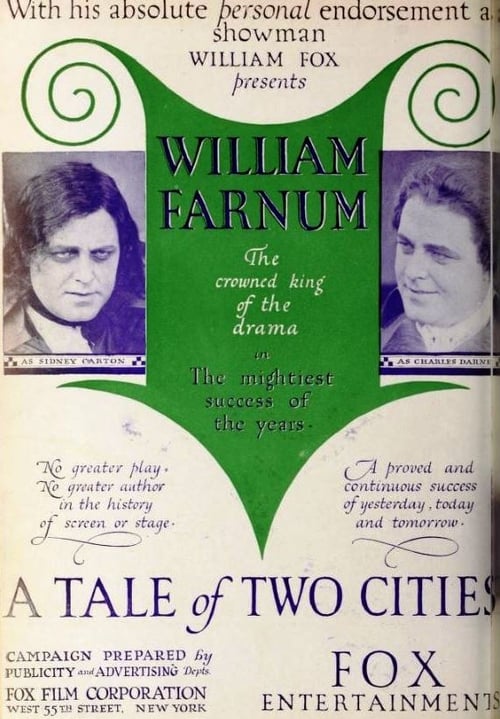
1917

1990
No reviews yet. Be the first to share your thoughts on this movie!
Use the rating form above to leave a star rating and optional review.