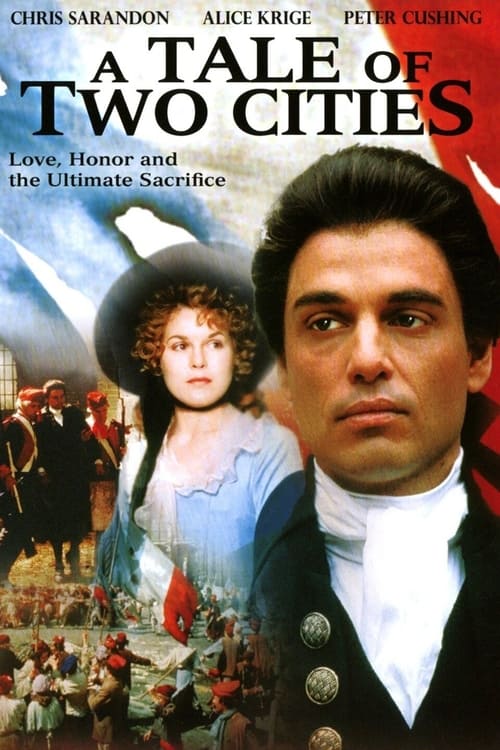
A Tale of Two Cities
1980
No user ratings available yet
Representation score: 4.7 out of 10
Representation Score
Minimal
1984
TV-Y7-FVRuntime
73 minutes
Average Rating
No ratings yetNew Showbiz Analysis
A Tale of Two Cities (1984) operates as a traditional historical drama that emphasizes period authenticity over contemporary inclusivity. While it delves deeply into complex themes of class warfare and institutional corruption, it remains constrained by the social norms of its setting. The production offers a critical perspective on systemic inequality and class-based oppression, yet it falls short in representing diverse identities, particularly in terms of race and LGBTQ+ characters. Ultimately, the film highlights cultural insights but lacks demographic diversity.
Category Breakdown
The film does not include any LGBTQ+ characters or non-straight relationships. The interpersonal dynamics are confined to traditional 19th-century romantic structures.
Female characters such as Lucie Manette offer emotional support and help drive the story forward. However, their influence is tied closely to male protagonists, reinforcing traditional Victorian gender roles.
The cast is uniform, reflecting the European setting and historical context. There are no instances of color-blind casting or diverse ethnic representation.
The narrative provides a critical look at class oppression and systemic injustice. It portrays the aristocracy as an oppressive force and critiques established religious and monarchical institutions.
There are no prominent depictions of physical or neurodivergent disabilities. Characters with disabilities are not used as central plot devices in this adaptation.
Present on Screen
Limited or Absent
Official Synopsis
Set against the conditions leading up to the French Revolution and the Reign of Terror, French doctor Alexandre Manette serves an 18-year imprisonment in the Bastille in Paris, followed by his release to live in London with the daughter he has never met.
1980

2004
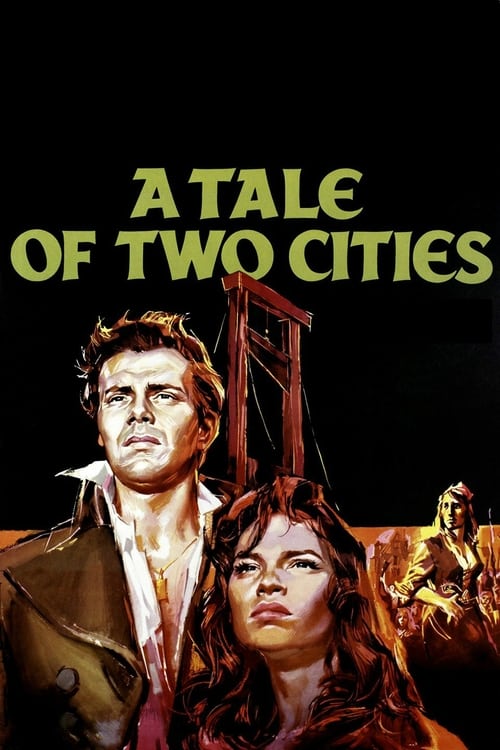
1958
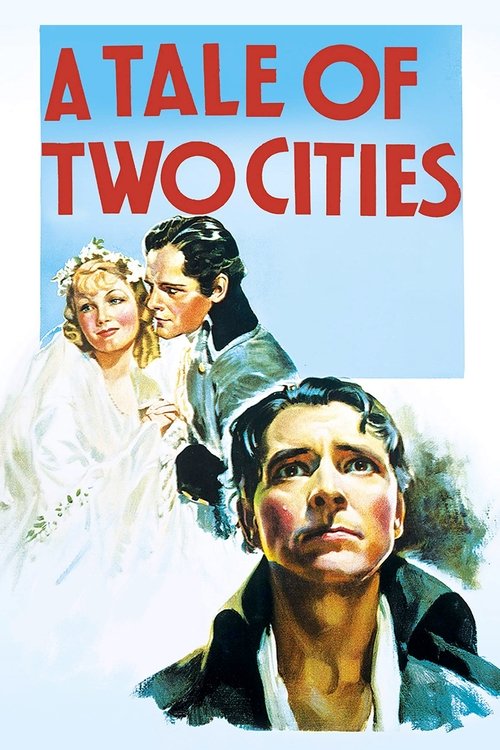
1935
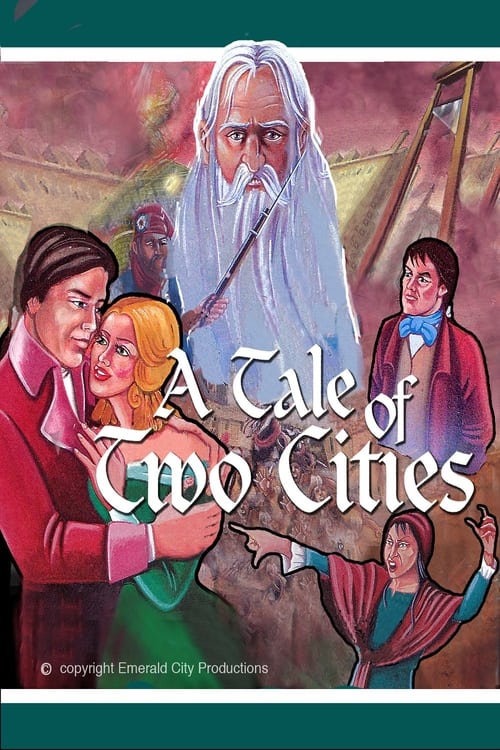
1990
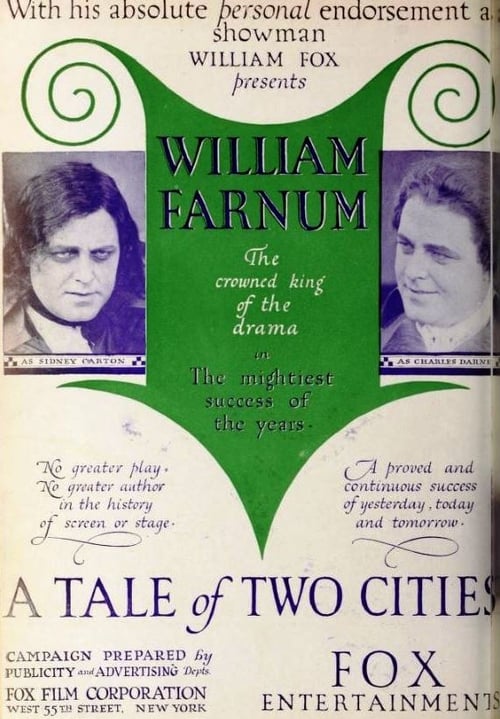
1917
No reviews yet. Be the first to share your thoughts on this movie!
Use the rating form above to leave a star rating and optional review.