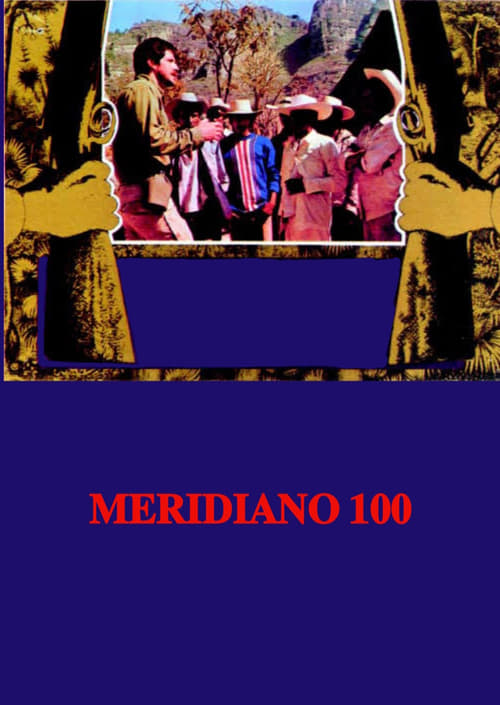
Meridiano 100
1976
No user ratings available yet
Representation score: 6.0 out of 10

Representation Score
Fair
1964
Director
Ruy Guerra
Runtime
85 minutes
Average Rating
No ratings yetNew Showbiz Analysis
Ruy Guerra’s work is a powerful exercise in cinematic realism that challenges traditional power structures. It succeeds by centering the socioeconomic struggles of the Brazilian Northeast, offering a sharp critique of state indifference and institutional failure. While the film lacks modern markers of gender and LGBTQ+ diversity, it compensates through its deep commitment to regional authenticity. It disrupts the standard cinematic gaze by focusing on underrepresented communities rather than the state. The film's strength lies in its systemic analysis of power and its refusal to uphold conventional heroism.
Category Breakdown
The film does not include any representation of LGBTQ+ identities. The narrative focuses on a conflict between soldiers and the rural population, emphasizing masculine-coded themes.
The story prioritizes masculine archetypes of soldiering and banditry. Women play supporting roles but do not drive the central plot.
The film offers an authentic portrayal of the Brazilian Northeast, featuring a predominantly Brazilian cast that explores specific regional and ethnic identities.
The narrative critiques centralized state authority and traditional institutions. It uses religious figures to predict chaos rather than providing stability.
The film depicts mental and physical degradation caused by famine. These elements highlight systemic neglect rather than individual disabilities.
Present on Screen
Limited or Absent
Official Synopsis
A group of armed soldiers is sent to the Northeast of Brazil in an attempt to stop a famine-struck population from invading and stealing a food deposit in the dry backlands. While the alienation and insanity of people driven to hallucination by their latent hunger is conducted by the predictions of a religious figure, a truck driver observes the situation and remains torn between his friendship with the soldiers and his revolt against the lack of government action in fighting the misery that lingers over the region.
1976

1963
2005

1964
2018
1965

1977

1968
No reviews yet. Be the first to share your thoughts on this movie!
Use the rating form above to leave a star rating and optional review.