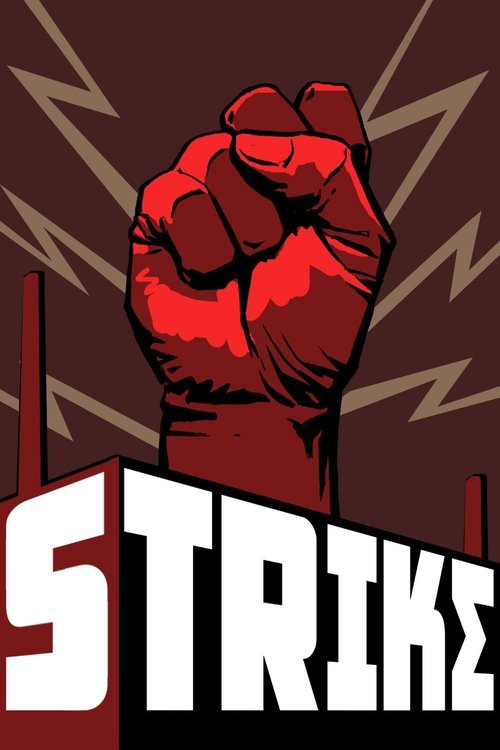
Strike
1925
No user ratings available yet
Representation score: 4.5 out of 10
Representation Score
Fair
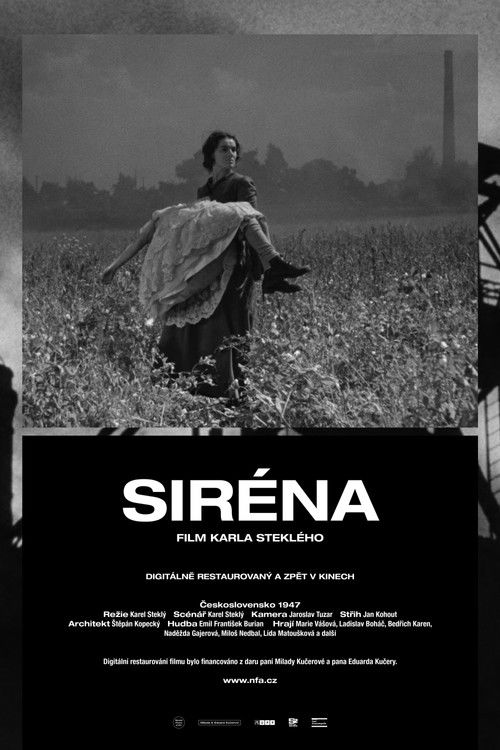
1947
Director
Karel Steklý
Runtime
77 minutes
Average Rating
No ratings yetNew Showbiz Analysis
The Strike is a period drama that emphasizes class struggle and systemic critique over individual identity politics. It successfully portrays the working class' fight against an oppressive industrial system, using ethnic and linguistic tensions to fuel its central conflict. While the film lacks modern markers of representation, such as LGBTQ+ or disability visibility, it provides a strong critique of capitalist power structures. The narrative effectively uses the Czech-German dichotomy to explore themes of resistance and national identity. Ultimately, the film’s strength lies in its socio-political engagement, moving away from conventional narratives by focusing on the collective rebellion of a underrepresented population against established economic and colonial-like powers.
Category Breakdown
The film does not include explicit LGBTQ+ characters or stories that challenge the assumption that everyone is straight. The focus is on the collective struggle of workers rather than individual sexual orientations.
The story centers on a labor revolt that challenges traditional gender roles within the home. Women play key roles in the industrial and political movements.
The plot uses ethnic and linguistic differences to create conflict. Czech-speaking workers resist German-owned industries, highlighting the tension between local populations and foreign ownership.
The film focuses on anti-capitalist and anti-institutional themes. It criticizes industrial capitalism by presenting German-owned mines as sites of systemic oppression and exploitation.
There is no indication of the portrayal of physical or cognitive disabilities within the narrative.
Present on Screen
Limited or Absent
Official Synopsis
In late 19th century Czech-speaking Bohemia, oppressed workers at German-owned mines and foundries revolt against their harsh working conditions. Made shortly after World War II as Czechoslovakia was falling to communism, the film resonates in Czech resentment of the German occupation.
1925
1963
1929
1954
1972
1987
1988

1977
No reviews yet. Be the first to share your thoughts on this movie!
Use the rating form above to leave a star rating and optional review.