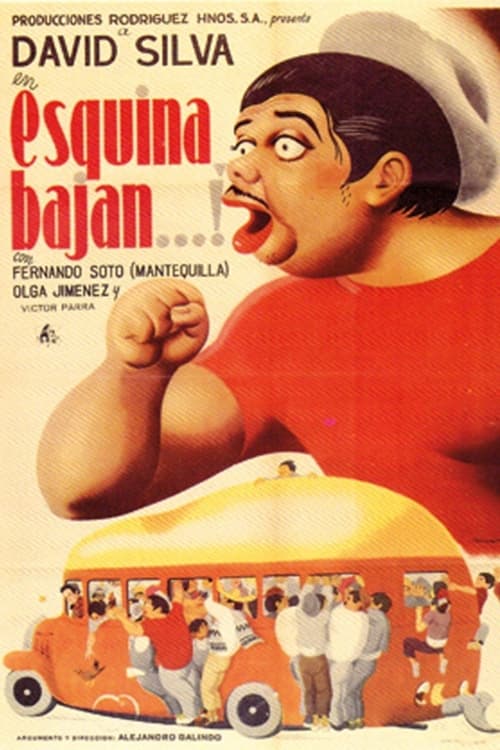
Get Off at the Next Corner!
1948
No user ratings available yet
Representation score: 4.0 out of 10
Representation Score
Limited
1960
Director
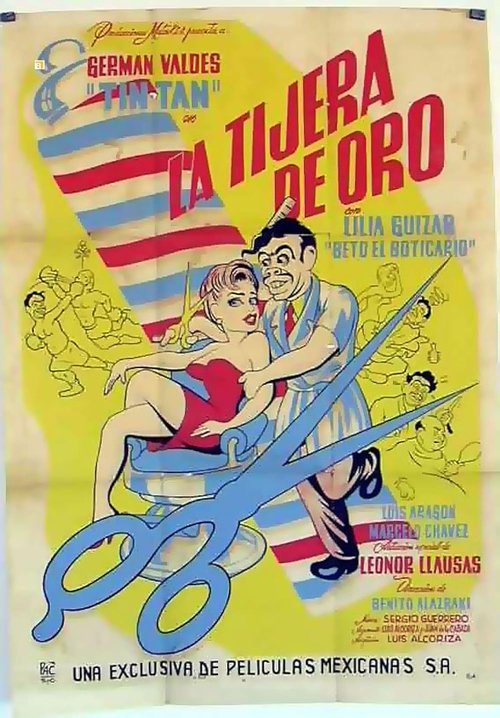
Benito Alazraki
Runtime
80 minutes
Average Rating
No ratings yetNew Showbiz Analysis
La tijera de oro is a product of its era, functioning as a culturally specific Mexican comedy-drama. It provides a non-Western lens by centering a local cast and social landscape, offering a departure from Hollywood-centric storytelling. However, the film adheres strictly to the conventional social and romantic structures of the OnClickListener 1960s. Character dynamics reinforce traditional gender roles and class-based moralities rather than challenging them through multi-layered or systemic lenses. Ultimately, while the film offers regional authenticity, it lacks the progressive narrative structure or subversion of hierarchies necessary to move beyond standard mid-century clichés.
Category Breakdown
The story focuses on a traditional romantic conflict between Emilio and Rosita. There are no characters with non-cisgender identities, and the film does not critique the assumption that everyone is straight.
Male characters drive the main conflicts through jealousy and protective instincts. Rosita remains a central figure, but her role is mainly defined by her relationships with the men.
As a Mexican production, the film features a predominantly non-Anglo-Saxon cast and cultural perspective. It offers a baseline of ethnic representation that differs from Hollywood standards.
The plot examines socioeconomic tensions between a working-class barber and a wealthy man. The resolution follows a traditional moral framework rather than a systemic critique.
There are no characters with visible or invisible disabilities mentioned in the narrative or historical records.
Present on Screen
Limited or Absent
Official Synopsis
The charitable Emilio is a jealous barber tries to prevent at all costs the rich toting Mario mess with his girlfriend Rosita. Although Emilio help with money from neighbors, gets entangled in a misunderstanding and ends up in jail but his friends are out of charge so much trouble.
1948

1957
1950
1953
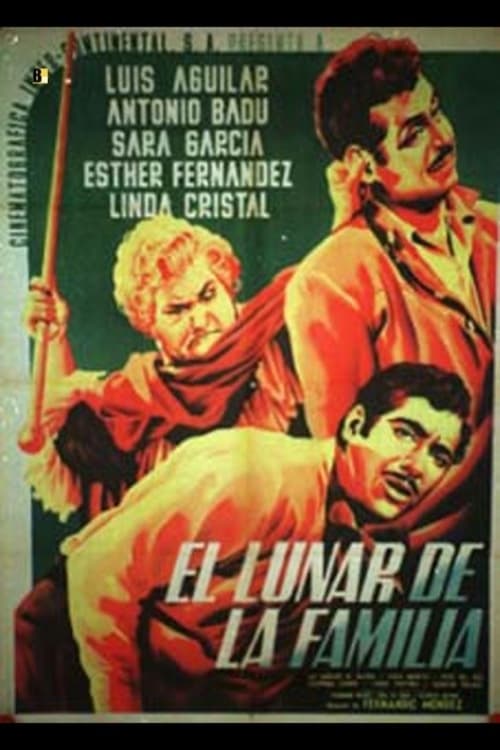
1953
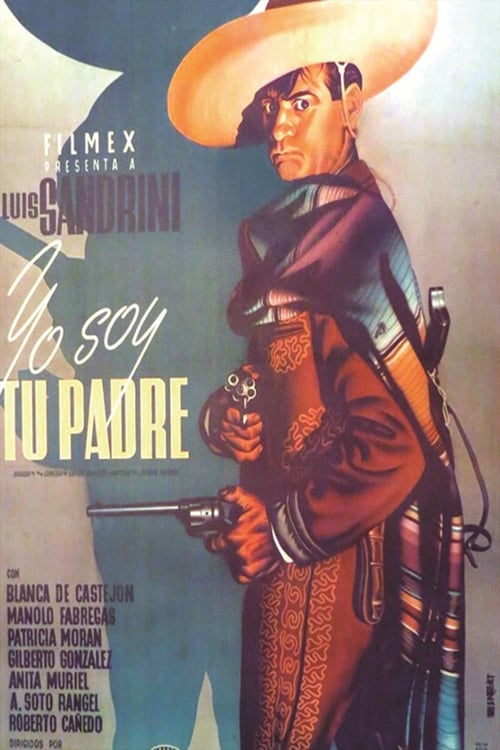
1948
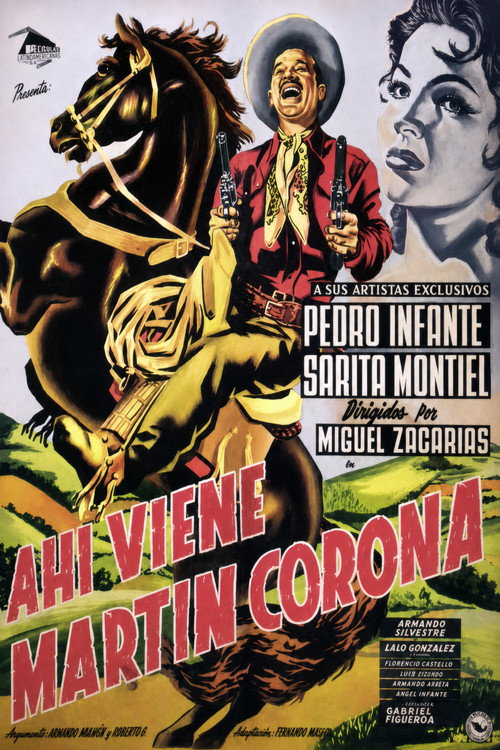
1952
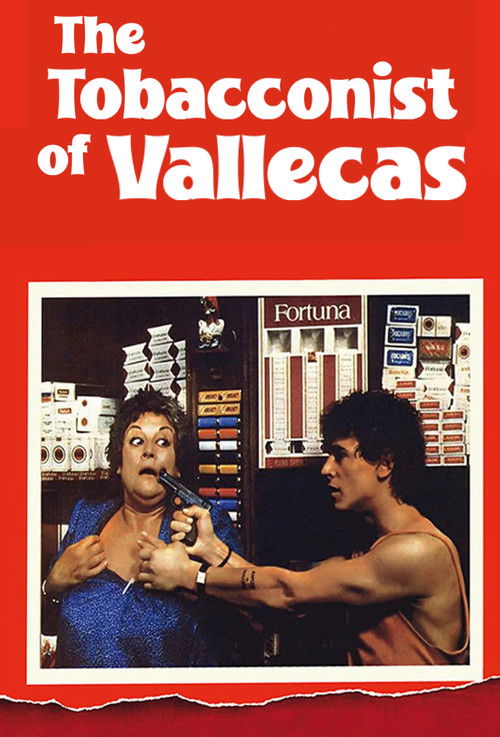
1987
No reviews yet. Be the first to share your thoughts on this movie!
Use the rating form above to leave a star rating and optional review.