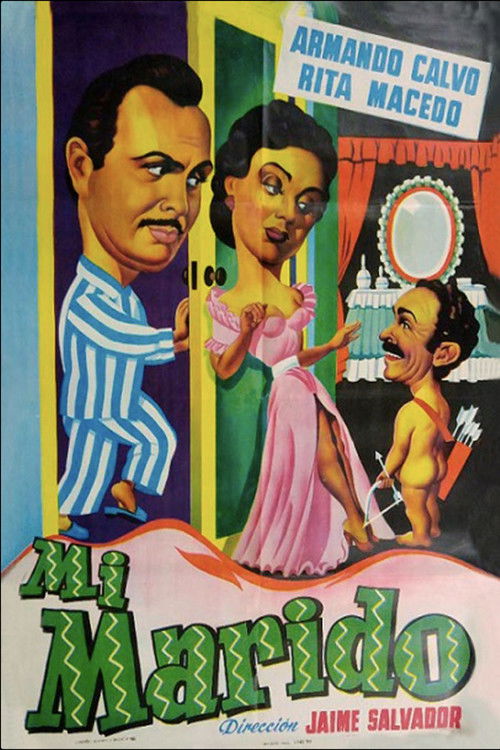
Mi marido
1951
No user ratings available yet
Representation score: 3.4 out of 10
Representation Score
Minimal
1948
Director
Emilio Gómez Muriel
Runtime
98 minutes
Average Rating
No ratings yetNew Showbiz Analysis
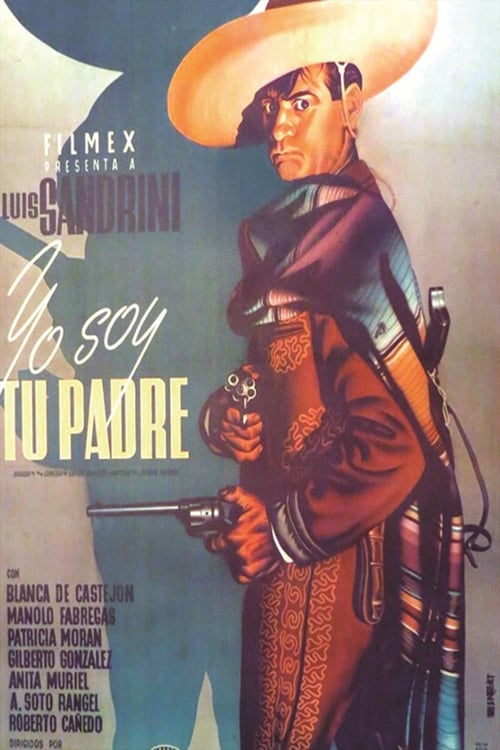
Yo soy tu padre is a product of the Golden Age of Mexican cinema, reflecting the social norms of post-war Latin America. The film prioritizes traditional family structures and conventional morality, which were the norm for mainstream narratives in 1948. While the production provides visibility through its Mexican cast and prominent female leads, it does not appear to challenge established social hierarchies. The film functions as a localized narrative that adheres to the cultural frameworks of its time. Without evidence of systemic disruption or progressive subtext, the film remains a conventional comedy-drama. It serves as a representative example of mid-century cinematic structures rather than a tool for social subversion.
Category Breakdown
The film does not include characters with non-binary gender identities or stories that question the assumption that everyone is straight. This reflects the limitations of filmmaking during the 1948 era.
Female leads such as Blanca de Castejón offer visibility. However, their roles likely revolve around traditional domestic or romantic roles rather than challenging gender hierarchies.
As a Mexican production, the film features a predominantly non-Anglo-Saxon cast. The representation aligns with typical standards of the period but does not delve deeply into multi-layered issues.
The narrative likely upholds traditional Western and Catholic values concerning family sanctity. It emphasizes paternal authority and conventional family bonds typical of the era.
There is no information available regarding the depiction of physical or neurodivergent characters in this production.
Present on Screen
Limited or Absent
1951
1950
2001
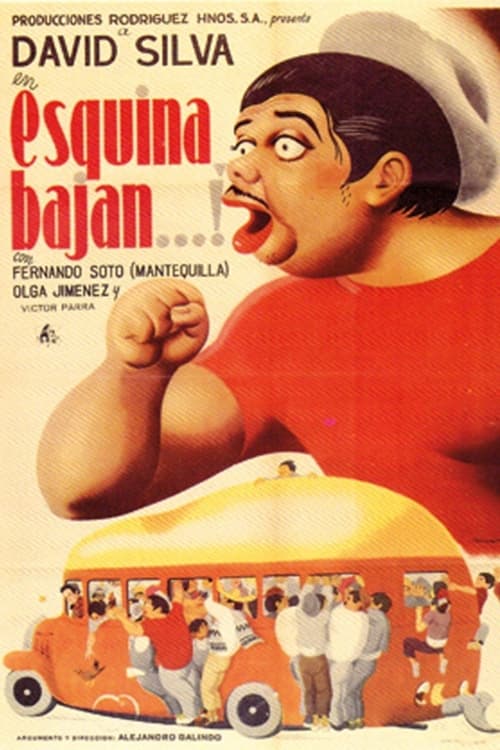
1948

1951
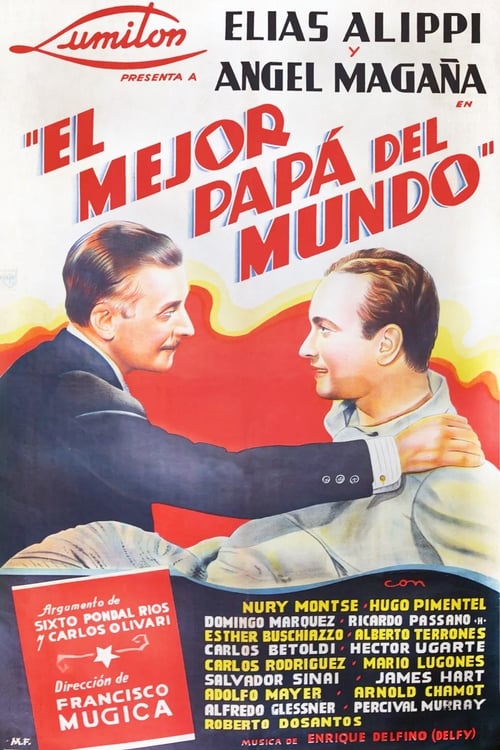
1941
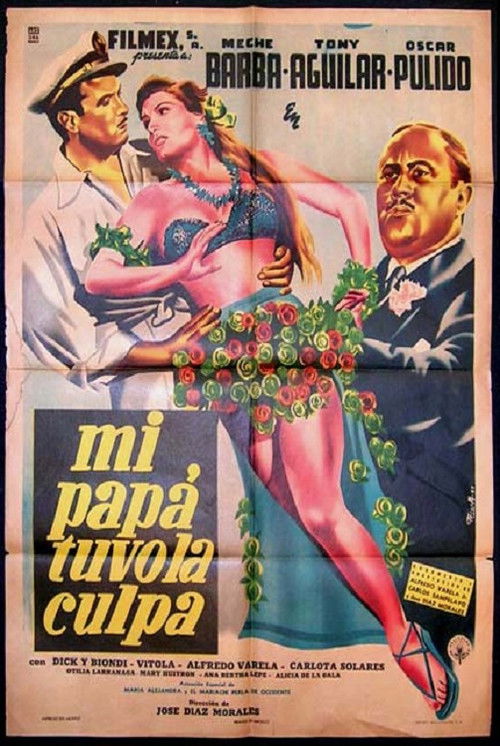
1953
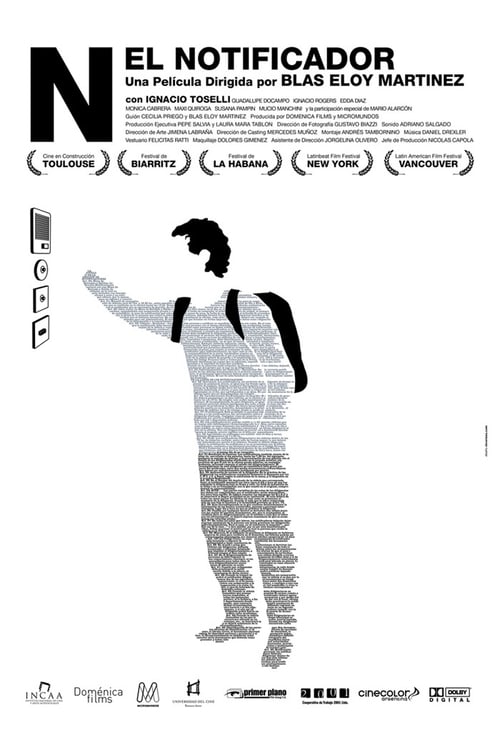
2012
No reviews yet. Be the first to share your thoughts on this movie!
Use the rating form above to leave a star rating and optional review.