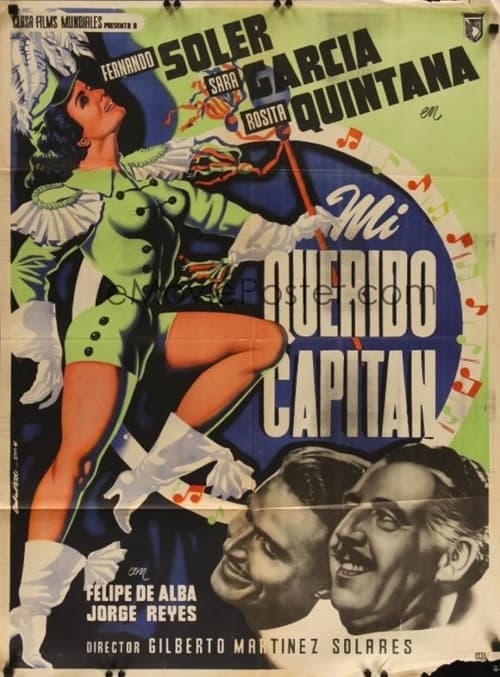
My Dear Captain
1950
No user ratings available yet
Representation score: 4.0 out of 10
Representation Score
Limited
1953
Director
Gilberto Martínez Solares
Runtime
93 minutes
Average Rating
No ratings yetNew Showbiz Analysis
Gilberto Martínez Solares uses the Golden Age of Mexican cinema to explore the socioeconomic realities of mid-century Mexico. The film focuses on the lives of restaurant employees facing displacement and criminal instability. While it does not include modern multi-layered complexities, it offers a unique regional perspective distinct from Hollywood-centric narratives of the time. Ultimately, the film serves as a social satire highlighting the lived experiences of ordinary citizens.
Category Breakdown
The film adheres to the traditional social structures of 1950s Mexican cinema. There are no depictions of same-sex relationships or non-binary gender identities.
Female characters play significant roles in navigating the labor crisis alongside their colleagues, potentially finding ability to act despite following traditional gender roles.
Featuring a predominantly non-Anglo-Saxon cast, the film provides a localized perspective that challenges Western-centric cinematic norms.
The story examines class dynamics and systemic pressures through the lens of the working class, depicting authorities as disruptive forces rather than stabilizers.
There is no mention of characters with visible or invisible disabilities in the synopsis.
Present on Screen
Limited or Absent
Official Synopsis
Authorities close down a restaurant after a violent crime is committed on the premises; the employees look for new jobs and try to track down the murderer.
1950

1955
1948
1947
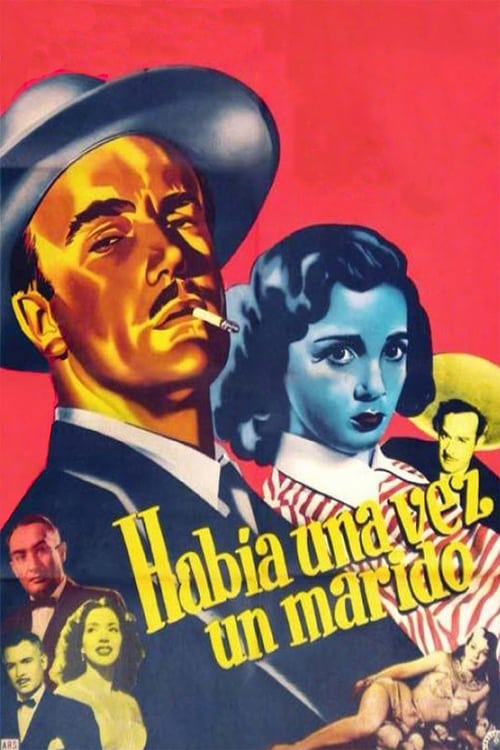
1953

2005
1981

1990
No reviews yet. Be the first to share your thoughts on this movie!
Use the rating form above to leave a star rating and optional review.