
The Clown
2011
No user ratings available yet
Representation score: 5.7 out of 10
Representation Score
Limited
1962
Director
Ernesto de Sousa
Runtime
102 minutes
Average Rating
No ratings yetNew Showbiz Analysis
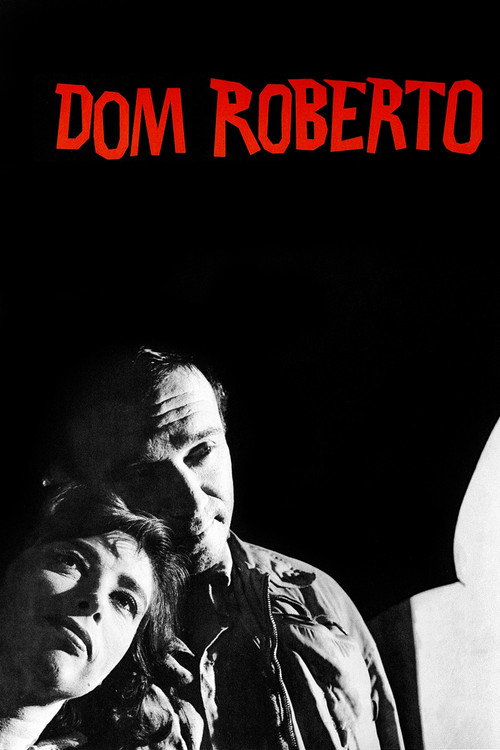
Dom Roberto serves as a gritty character study of poverty and aspiration in mid-century Lisbon. It avoids the sanitized romanticism typical of its era, opting instead for a realistic portrayal of systemic economic hardship. The film's strength lies in its social realism and its refusal to provide a triumphant conclusion. By focusing on the struggles of a street puppeteer, it offers a nuanced look at the limitations imposed by social hierarchies. However, the production is constrained by the period's social norms. It lacks diverse casting and adheres to traditional gender roles and a homogeneous depiction of the Portuguese working class.
Category Breakdown
The film does not include any queer narratives or non-straight identities. The central romantic relationship between João and Maria follows traditional heterosexual structures common to the time.
The story focuses on a male protagonist's desire to support a woman, reflecting gender hierarchies of the 1960s. However, it challenges traditional dominance by showing a man unable to achieve economic stability.
Set in Lisbon's popular neighborhoods, the film depicts a localized, homogeneous Portuguese working class. It lacks diverse casting but avoids middle-class norms by centering on the underrepresented urban poor.
The narrative challenges mid-century cinematic clichés by avoiding a happy ending. It critiques economic structures by portraying characters as victims of systemic circumstances rather than idealized heroes.
There is no evidence of characters with visible or invisible disabilities within the film.
Present on Screen
Limited or Absent
Official Synopsis
João Barbela is poor man who lives out of charity - what coins the people of Lisbon's popular districts give him as 'pay' for his puppeteering work. For the kids, he is like a king, Dom Roberto = puppet). When he meets Maria, an equally poor girl, he fancies to change her life, and get her a house, maybe marrying, and being happy together.Life does not exactly have a happy ending, like he managed with his puppets 5-minute plays...
2011
2002
2002
1953
1972

1996
1955

1989
No reviews yet. Be the first to share your thoughts on this movie!
Use the rating form above to leave a star rating and optional review.