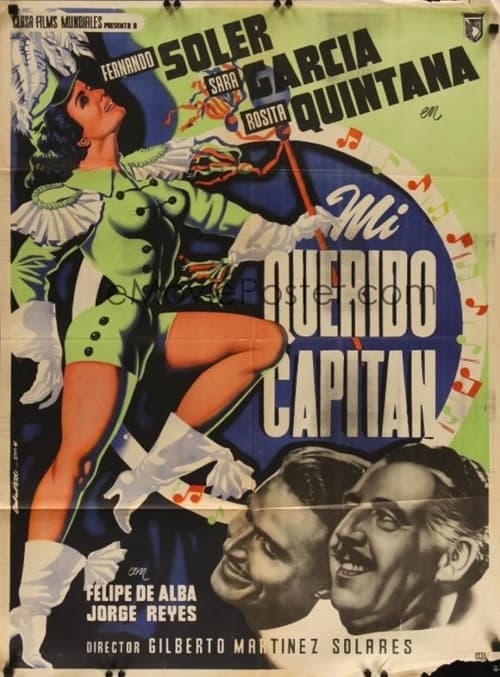
My Dear Captain
1950
No user ratings available yet
Representation score: 4.0 out of 10

Representation Score
Limited
1957
Director
Gilberto Martínez Solares
Runtime
80 minutes
Average Rating
No ratings yetNew Showbiz Analysis
La sombra del otro is a quintessential product of the Golden Age of Mexican cinema, prioritizing the established comedic rhythms of the Viruta y Capulina duo. The film relies heavily on traditional genre conventions and slapstick humor rather than social subversion. While the film provides a culturally specific Mexican perspective, it maintains the conservative social hierarchies typical of 1950s commercial cinema. Character roles are largely archetypal, with little room for exploring multiple aspects of identity or disrupting the status quo.
Category Breakdown
The film does not include any LGBTQ+ characters or narratives that question the assumption that everyone is straight or cisgender. It focuses on traditional comedic structures from the 1950s, emphasizing standard social interactions.
Female characters are portrayed as secondary figures and aesthetic foils. The narrative emphasizes the physical comedy of the male protagonists, leaving women as passive observers in the plot.
The film centers on Mexican identity and ethnicity. While it avoids Anglo-centric perspectives, it operates within the standard cultural norms of its era.
The story functions as a traditional comedic adventure. It aligns with period-specific slapstick and situational humor rather than challenging established social or institutional structures.
There is no mention of characters with visible or invisible disabilities. The narrative does not address neurodivergence or physical impairments.
Present on Screen
Limited or Absent
Official Synopsis
Víctor Gómez has always been under the shadow of his dead brother, whom his mother always idolizes and compares with him. Victor will have to find a way to make a living by boxing and earns the respect of his mother. El Pajarito, Viruta and Capulina will give him encouragement.
1950
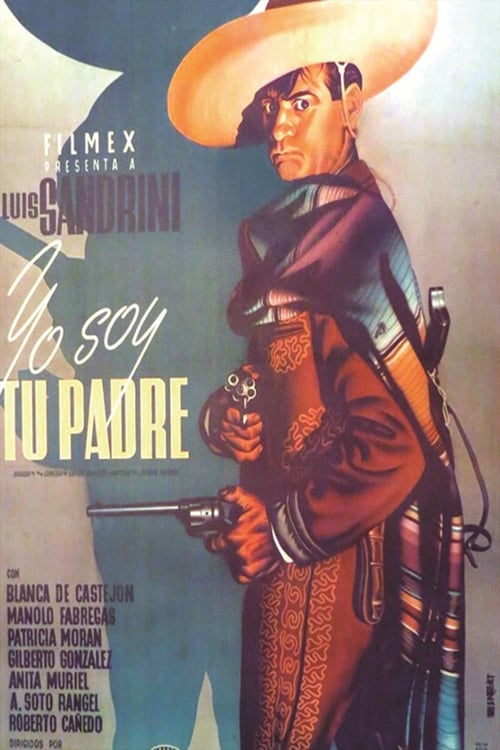
1948

1951
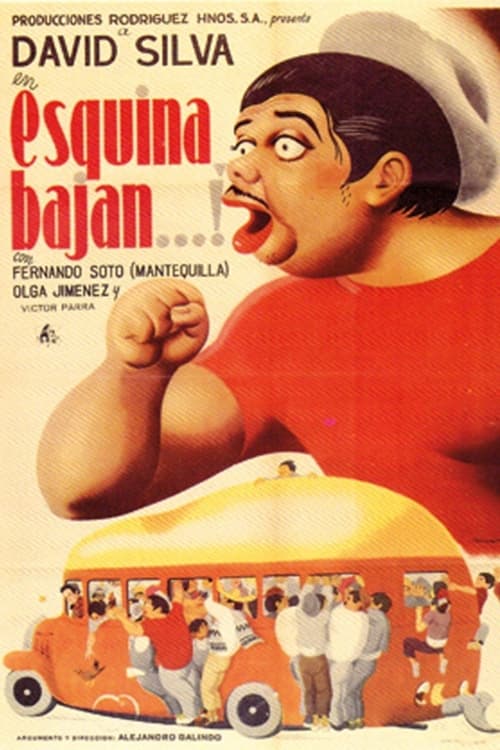
1948
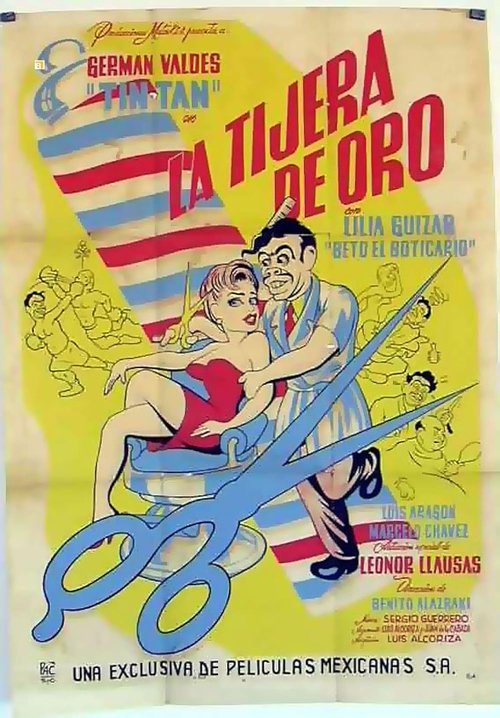
1960
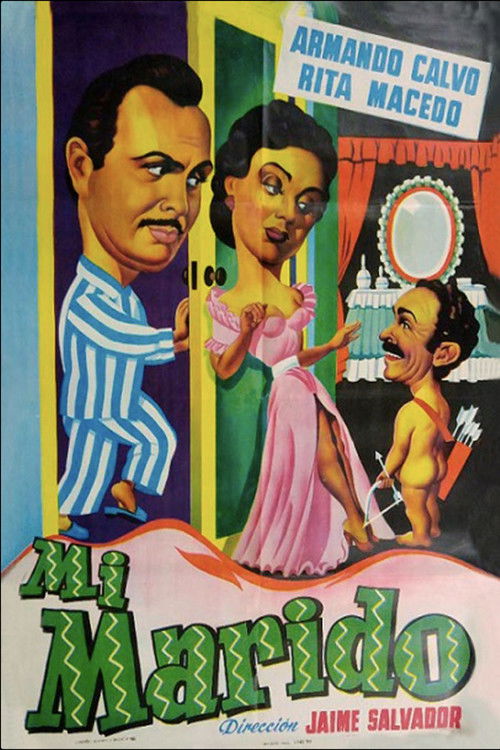
1951
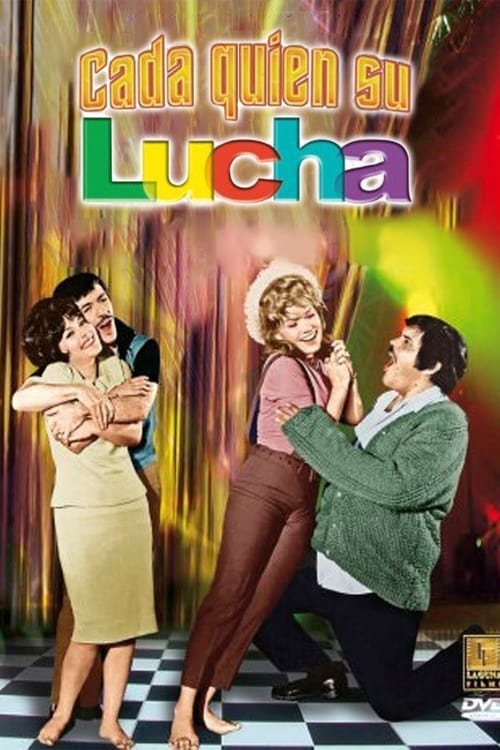
1966
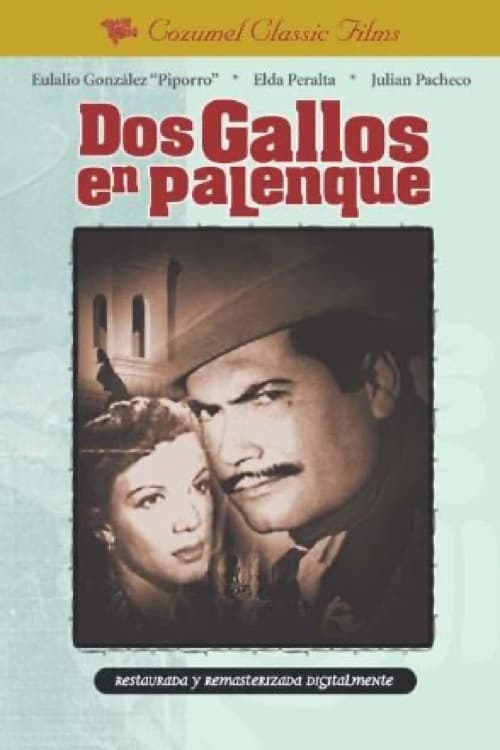
1960
No reviews yet. Be the first to share your thoughts on this movie!
Use the rating form above to leave a star rating and optional review.