The Journals of Musan
2011
No user ratings available yet
Representation score: 6.3 out of 10
Representation Score
Good
2015
RDirector
Park Jung-bum
Runtime
175 minutes
Average Rating
No ratings yetNew Showbiz Analysis
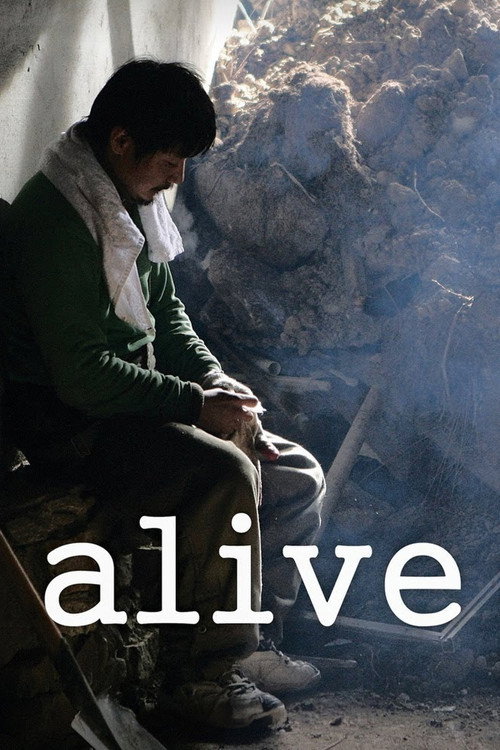
Park Jung-bum’s *Alive* is a rigorous exercise in social realism that prioritizes class-based critique over identity-based representation. The film uses a minimalist, observational lens to document the lived experience of the South Korean precariat. While the film scores lower in demographic categories like LGBTQ+ and racial diversity, it excels in cultural representation. It provides a sophisticated deconstruction of capitalist institutions and the systemic struggles of the underrepresented working class. Ultimately, the film's narrow scope is a byproduct of its commitment to a hyper-local, materialist study of labor and survival.
Category Breakdown
The film lacks prominent LGBTQ+ characters or explorations of non-straight relationships. The narrative focuses strictly on the material conditions of class struggle.
The film disrupts traditional hierarchies by centering on a female protagonist in a male-dominated labor market. It highlights the resilience and vulnerability of women within precarious economic systems.
The setting is culturally homogeneous, focusing on the South Korean working class. This lack of diversity reflects a commitment to hyper-local social realism rather than deliberate exclusion.
The narrative offers a stark, secular view of existence, critiquing capitalist structures and the dehumanizing nature of precarious labor. It avoids traditional moralizing or religious comfort.
The film explores invisible disabilities like chronic exhaustion and mental fatigue caused by extreme poverty. These conditions are portrayed as direct results of the protagonist's environment.
Present on Screen
Limited or Absent
Official Synopsis
You earn as much as you work, and you live off that money. This simple proposition has always been a problem for Jung-cheol. At the soybean paste factory he went to work for in the bitter winter, he dreams of travelling to warm Philippines in spring - as long as he survives the winter making his portion of the soybean paste that he promised the boss. But the more he struggles to live, the worse it gets. And soon, the fermentation room turns musty with the black mold spreading from the thousands of ferment boiled soybean lumps.
2011
1970

1999

1978
2020

2019
2004

2016
No reviews yet. Be the first to share your thoughts on this movie!
Use the rating form above to leave a star rating and optional review.