A Better Life
2011
No user ratings available yet
Representation score: 4.6 out of 10

Representation Score
Fair
1978
Not RatedDirector
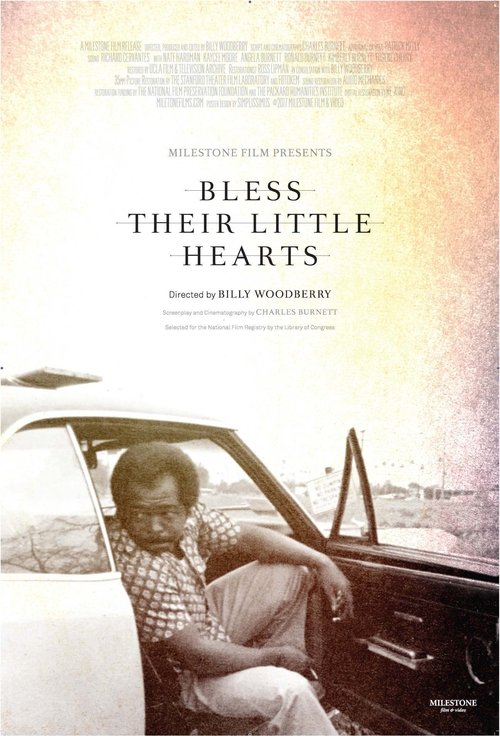
Charles Burnett
Runtime
80 minutes
Average Rating
No ratings yetNew Showbiz Analysis
Charles Burnett’s work is a crucial part of the L.A. Rebellion movement, using a neo-realist style to highlight the lives of the Black working class. By replacing traditional melodrama with observational storytelling, Burnett offers a powerful counter-narrative to the simplified Hollywood portrayals of the 1970s. The film’s strength lies in its critique of economic structures, presenting the protagonist’s exhaustion as a result of broader societal issues rather than personal shortcomings. However, it lacks representation in areas such as LGBTQ+ identities and disabilities.
Category Breakdown
The film lacks LGBTQ+ characters or narratives. The story focuses exclusively on the domestic and economic realities of a Black family unit.
The film challenges traditional gender roles by showing Henry as emotionally drained rather than a strong leader, while Angela exhibits significant emotional influence despite her circumstances.
This film provides a rich and multifaceted portrayal of the African American experience in Watts, avoiding the white perspective and focusing on the complexity of Black life.
The narrative uses the metaphor of a slaughterhouse to critique industrial capitalism, presenting a nuanced view of the family unit that avoids both glorification and vilification.
The film does not depict visible or invisible disabilities but focuses on the psychological impact of poverty and labor.
Present on Screen
Limited or Absent
Official Synopsis
An African-American man working at a slaughterhouse in the Watts area of Los Angeles leads a dissatisfied and listless existence.
2011
1998
2013

1970
1984
1979

2008
1961
No reviews yet. Be the first to share your thoughts on this movie!
Use the rating form above to leave a star rating and optional review.