
Clean Up
2019
No user ratings available yet
Representation score: 7.4 out of 10
Representation Score
Fair
2020
Director
Jeon Jee-hee
Runtime
106 minutes
Average Rating
No ratings yetNew Showbiz Analysis
Somewhere in Between is a character-driven drama that prioritizes social realism over commercial clichés. It succeeds in subverting traditional success narratives by centering on characters living on the fringes of society. The film uses the struggles of debt and manual labor to critique modern capitalist structures. While the film offers a strong cultural perspective, it remains limited in its breadth of representation. The focus is heavily concentrated on male experiences and socio-economic marginalization, leaving little room for diverse gender or identity explorations. Ultimately, the film functions as a localized study of systemic hardship. It trades broad inclusivity for a deep, specific look at the dignity found within economic struggle and unconventional companionship.
Category Breakdown
The film doesn't explicitly show LGBTQ+ identities or relationships that aren't straight. However, the unique bond between Gi-tae and Oh suggests a space for non-traditional relationships.
The story focuses on male-driven experiences involving work and debt. By highlighting a protagonist defined by failure rather than success, it challenges traditional ideas of masculinity.
As a South Korean production, the film offers a non-Western perspective. It explores identity through a localized, class-based lens.
The narrative critiques meritocratic ideals by focusing on economic pressures. It rejects the 'ideal citizen' archetype through characters facing social dysfunction and hardship.
There is no evidence of visible or invisible disabilities or neurodivergent characters within the narrative.
Present on Screen
Limited or Absent
Official Synopsis
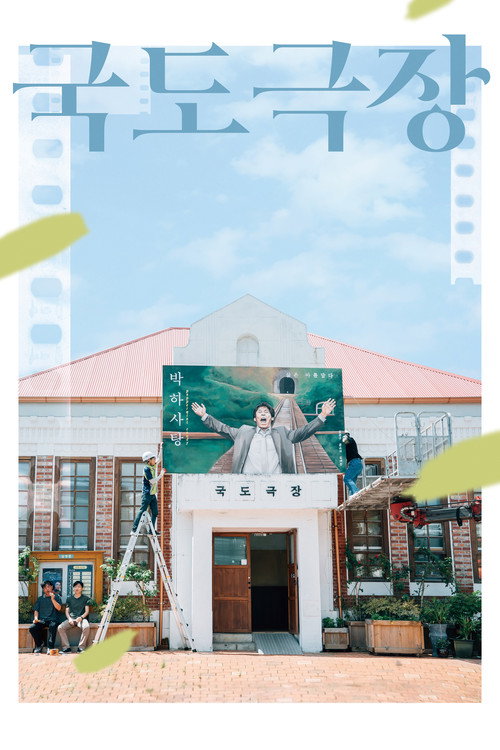
Gi-tae, who continuously failed on his exam, returns to his hometown for the first time in ten years. He tried all different manual labors, but his debt-ridden life never seems to end. Soon Later, he starts working at a worn-out theater and meets Oh, the sign painter. Oh is never sober and always blunt, accordingly difficult to figure out. But Gi-tae doesn’t feel awkward around him.
2019
2018
2020
2002
2019
2018

2021

2021
No reviews yet. Be the first to share your thoughts on this movie!
Use the rating form above to leave a star rating and optional review.