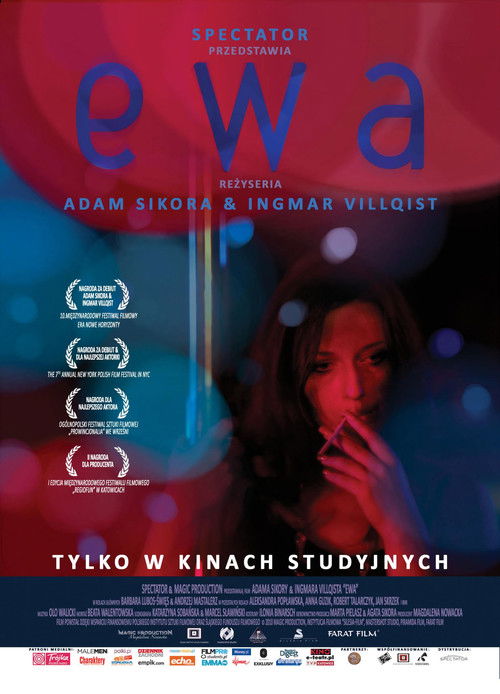
Ewa
2011
No user ratings available yet
Representation score: 5.2 out of 10
Representation Score
Excellent
2016
Director
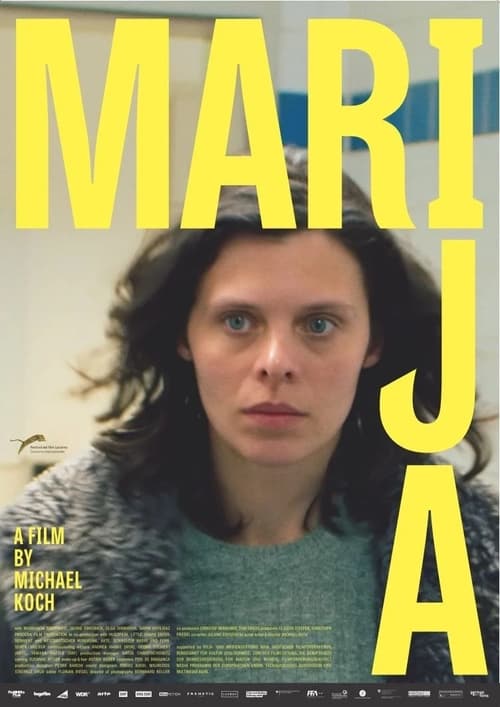
Michael Koch
Runtime
100 minutes
Average Rating
No ratings yetNew Showbiz Analysis
Marija is a gritty social realist study that centers the ability to act of a migrant woman. It avoids the cliché of the passive female protagonist, instead presenting a complex character navigating economic precarity through morally ambiguous choices. The film’s strength lies in its critique of late-capitalist labor markets and the focus on the outsider status of its protagonist. By deconstructing the social contract of work and stability, it offers a profound look at socioeconomic oppression. However, the film is limited by a lack of representation for LGBTQ+ identities and specific disability narratives. While it captures the psychological toll of poverty, it does not engage with these specific identity-driven perspectives.
Category Breakdown
The film does not include explicit LGBTQ+ identities or non-cisgender gender expressions. It explores themes of isolation but does not provide any queer-coded subtext or specific critiques of the assumption that everyone is straight or cisgender.
Marija is depicted who play a significant role in driving the story rather than through traditional submissive femininity. The narrative highlights her intellect and survival instincts over domesticity or emotional stability.
The story focuses on the experiences of a Ukrainian woman living in Germany, providing a meaningful critique of the systemic barriers faced by migrants. This perspective offers a critical look at the challenges of integration and displacement.
The film critiques capitalist structures and the instability of the economic system. It embraces situational ethics rather than a singular, prescriptive moral framework.
There is no prominent depiction of physical or neurodivergent disabilities. Mental exhaustion is portrayed as a symptom of systemic poverty rather than an exploration of disability identity.
Present on Screen
Limited or Absent
Official Synopsis
Marija, a young Ukrainian woman, earns a living as a cleaning woman in a hotel in Dortmund, but dreams of having her own hairstyling salon, and puts away some money each month. But when she is fired without notice, her dream is suddenly postponed to an uncertain future. Jobless and under financial pressure, she is forced to look for alternatives but, in order to achieve her goal, she is ready to discard her body, her social relationships and her own feelings.
2011

1999

2015
2007

2019

2007

2017

2020
No reviews yet. Be the first to share your thoughts on this movie!
Use the rating form above to leave a star rating and optional review.