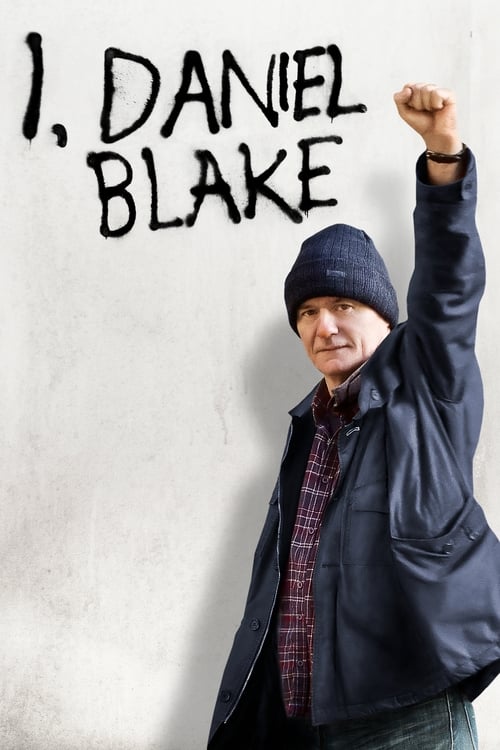
I, Daniel Blake
2016
No user ratings available yet
Representation score: 7.9 out of 10
Representation Score
Good
2019
Not RatedDirector
Ken Loach
Runtime
101 minutes
Average Rating
No ratings yetNew Showbiz Analysis
Ken Loach’s film is a powerful work of social realism that uses a detailed, character-driven narrative to examine modern labor structures. It moves away from idealized archetypes to depict the harsh realities of working-class life. The film’s strength lies in its critical examination of economic norms. It presents systemic oppression and the predatory nature of zero-hour contracts as the central antagonists of the human experience. However, the narrative lacks explicit identity-based diversity. The focus remains narrow, centered on a homogeneous working-class community and a traditional family structure, limiting its broad representation.
Category Breakdown
The film centers around a straight and cisgender family unit. It does not include any LGBTQ+ identities or queer narratives.
The story highlights the emotional resilience of the female protagonist while depicting the male lead's struggle with traditional provider roles.
Set in a Newcastle community, the cast is predominantly white. The film emphasizes class identity over multi-ethnic diversity.
The film critiques the gig economy and predatory Western economic models. It portrays systemic failures as the main drivers of character actions.
Though no character has a primary disability, the film explores the care economy. It looks at the physical and mental toll of service-oriented labor and caregiving.
Present on Screen
Limited or Absent
Official Synopsis
Hoping that self-employment through gig economy can solve their financial woes, a hard-up delivery driver and his wife struggling to raise a family end up trapped in the vicious circle of modern-day labour exploitation.
2016
1998
2015
1993
2021
1999
2020
2011
No reviews yet. Be the first to share your thoughts on this movie!
Use the rating form above to leave a star rating and optional review.