
Alive
2015
No user ratings available yet
Representation score: 7.4 out of 10
Representation Score
Fair
2004
Director
Noh Dong-seok
Runtime
85 minutes
Average Rating
No ratings yetNew Showbiz Analysis
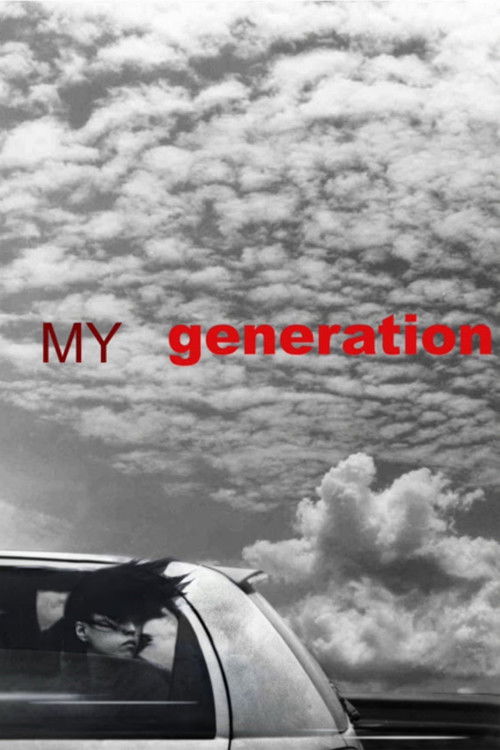
My Generation is a socially realistic film that prioritizes the experiences of the economically disadvantaged over traditional heroic narratives. It succeeds by challenging sanitized views of prosperity and focusing on the systemic issues faced by the Korean underclass. However, the film lacks broad representation. The absence of LGBTQ+ characters and multi-ethnic casting keeps the narrative within a single social framework. Ultimately, the film's strength lies in its unflinching critique of economic instability and systemic failures.
Category Breakdown
The film focuses on a heterosexual relationship between Kim Byung-Seok and Jae-Kyung. There are no visible queer identities or non-cisgender characters present.
Jae-Kyung’s struggle against employment bias highlights the emotional demands placed on women in professional settings. The film avoids typical happy endings, instead showing a woman navigating economic and psychological challenges.
The film centers on the Korean underclass rather than the prosperous middle class. While it stays within a single ethnic framework, it provides a necessary counter-narrative to idealized national success stories.
The story critiques capitalism and the lack of social safety nets. It focuses on the bleak reality of increasing debt and economic despair.
The provided material contains no information regarding the depiction of physical, neurodivergent, or mental health disabilities.
Present on Screen
Limited or Absent
Official Synopsis
A film about the troubles of Korean youths teetering on the edge of poverty, their struggle is to survive the mounting debts and the hopelessness of their situation. Among them is Kim Byung-Seok, an aspiring filmmaker who's stuck in dead-end jobs and his camera is only used for filming weddings. His girlfriend, Jae-Kyung, has trouble finding jobs and is fired for being "too depressing". Although they've coped in the past, recent conflicts and frauds have pushed them to desperation, making the future look bleak.
2015
1970

2001

1985

2020

1998

2001

2004
No reviews yet. Be the first to share your thoughts on this movie!
Use the rating form above to leave a star rating and optional review.