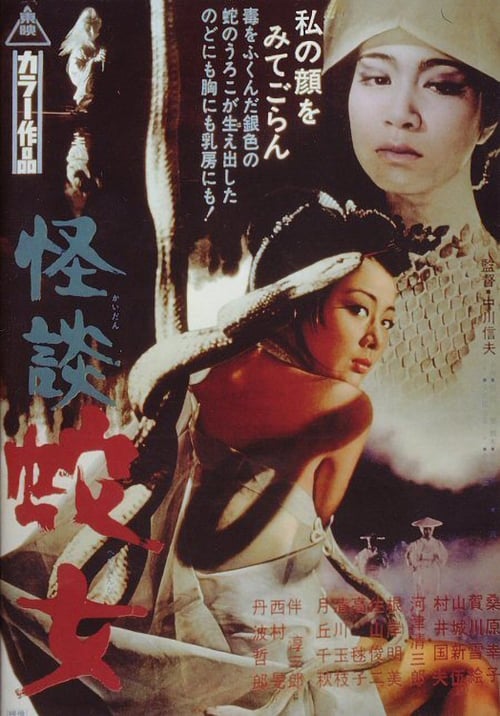
Snake Woman's Curse
1968
No user ratings available yet
Diversity score: 3.7 out of 10
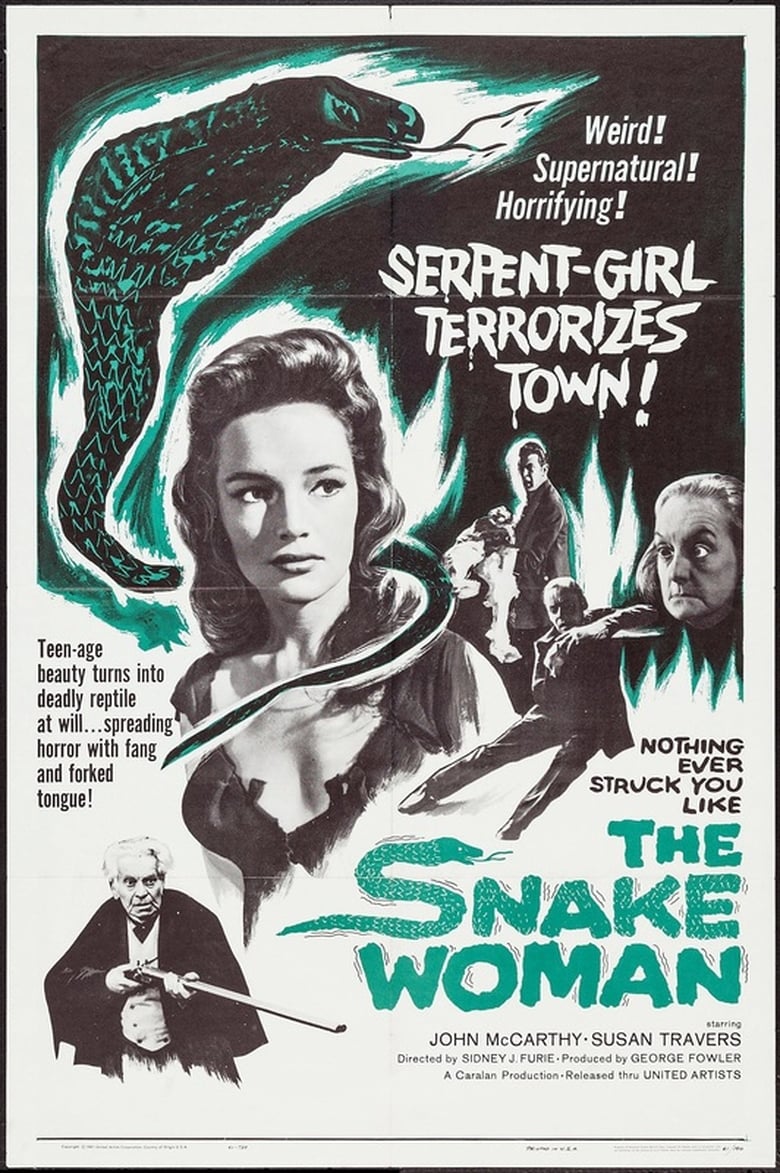
1961
UnratedDirector
Sidney J. Furie
Runtime
68 minutes
Average Rating
No ratings yetSynopsis
A doctor in 1890 England, in order to cure his wife's "sick mind," injects her with snake venom. She later gives birth to a daughter whom the villagers call "The Devil's Baby" and in a fit of fear they end up burning the family's house down. Years later a Scotland Yard detective is sent to the village to investigate a rash of deaths that are caused by snakebite.
Overall Score
Fair
Category Breakdown
LGBTQ+ Representation
The film lacks explicit LGBTQ+ characters or non-heteronormative identities. The story focuses on a traditional marriage, though the wife's medical treatment raises questions about bodily autonomy.
Gender Representation
The female protagonist drives the central conflict rather than acting as a passive victim. The doctor's invasive medical interventions serve as a critique of patriarchal control over female biology.
Racial & Ethnic Diversity
Set in 1890 England, the film appears to focus on a homogeneous Anglo-Saxon village. There is no evidence of intersectional casting or racial diversity in the narrative.
Religious & Cultural Diversity
The story critiques mob mentality and religious zealotry through the villagers' persecution of the family. It frames the community's fear as a source of systemic victimhood.
Disability Representation
The narrative explores mental health through the wife's 'sick mind.' It moves beyond simple madness tropes by focusing on her transformation and altered state of being.
Strengths
Areas for Improvement
AI Analysis
The Snake Woman is a period horror piece that operates within the narrow demographic constraints of 1890s England. While it lacks racial and LGBTQ+ diversity, it finds strength in its thematic subversions. The film uses its horror premise to challenge traditional power structures. By centering the plot on a woman's transformation and the community's violent reaction to it, the film critiques patriarchal medical authority and religious mob mentality. Ultimately, the work provides a complex look at agency and systemic persecution, even while remaining limited by its historical setting and genre conventions.
1968
1946
1960

1989

2008
1974

1978
1983
1974
2010
1981

1964
No reviews yet. Be the first to share your thoughts on this movie!
Use the rating form above to leave a star rating and optional review.