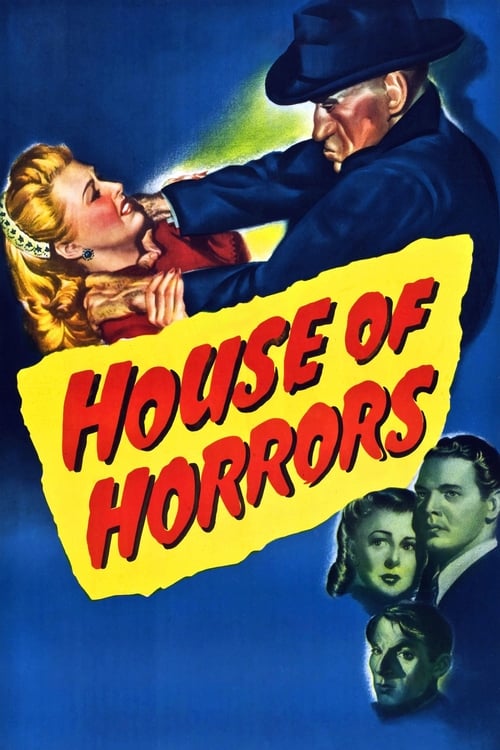
House of Horrors
1946
No user ratings available yet
Representation score: 2.7 out of 10

Representation Score
Limited
1946
ApprovedDirector
Jean Yarbrough
Runtime
58 minutes
Average Rating
No ratings yetNew Showbiz Analysis
The Brute Man is a conventional 1946 genre piece that reinforces the social and demographic hierarchies of mid-century American cinema. It lacks complexity in addressing multiple aspects of identity, focusing instead on a traditional narrative of retribution. While the film centers on a character with disabilities, it often equates physical and mental instability with villainy, reflecting the era's tendency to use 'otherness' as a tool for horror. Overall, the film adheres to the established cinematic hierarchies and moral binaries prevalent in the post-war Hollywood studio system, lacking racial, gender, or LGBTQ+ diversity.
Category Breakdown
The film strictly adheres to the conventions of the post-war era, assuming everyone is straight. There is no indication of LGBTQ+ identities or same-sex relationships.
Male characters have the most influence in the plot, with the disfigured man driving the action. Female characters likely play supporting or reactive roles in this traditional thriller format.
The film reflects the homogeneous casting practices of the 1940s studio system, featuring a predominantly white cast without evidence of a diverse ensemble.
The story focuses on a typical crime-thriller narrative centered around personal revenge. It upholds traditional moral binaries without providing a deeper sociological critique.
The protagonist's facial disfigurement and mental instability drive the plot. However, these traits may be used as shorthand for moral corruption or 'otherness.'
Present on Screen
Limited or Absent
Official Synopsis
A facially disfigured and mentally unhinged man wreaks his revenge on those he blames for his condition.
1946

1935
1964

1962

1977

1928

1966
1971
No reviews yet. Be the first to share your thoughts on this movie!
Use the rating form above to leave a star rating and optional review.