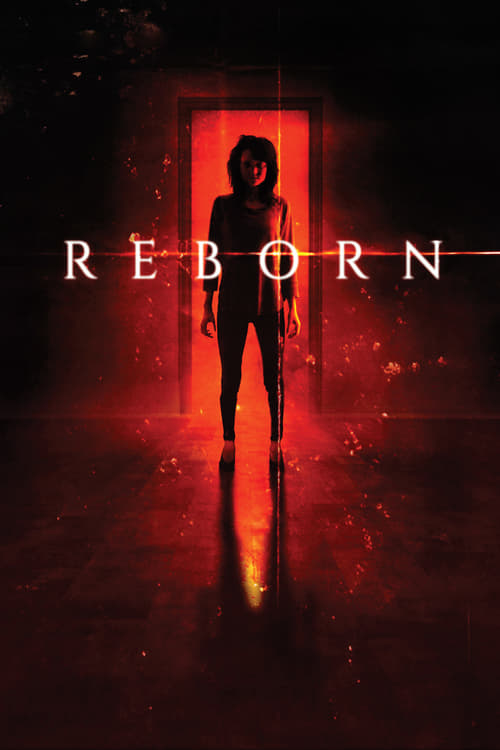
Reborn
2018
No user ratings available yet
Representation score: 4.6 out of 10

Representation Score
Limited
2008
Director
Jean-Marc Vincent
Runtime
87 minutes
Average Rating
No ratings yetNew Showbiz Analysis
Lady Blood operates within the conventional constraints of the horror genre, prioritizing individual trauma and biological horror over systemic identity issues. While the film centers on a female protagonist, it utilizes established clichés like the 'monstrous feminine' rather than offering a sophisticated subversion of gender roles. The narrative lacks verifiable multi-layered elements, focusing instead on traditional familial and legal frameworks. Without evidence of diverse casting or critiques of social institutions, the film remains a standard genre piece that avoids challenging historical or social norms.
Category Breakdown
The film does not include explicit LGBTQ+ characters or narratives that question the assumption that everyone is straight or cisgender. The plot revolves around maternal connections and criminal investigations, emphasizing traditional biological lineage.
Yanka provides a central platform for women's ability to drive the story, yet her character arc relies on the 'monstrous feminine' cliché. This frames female power through uncontrollable violence, rather than challenging gender hierarchies.
While the name Yanka might suggest specific regional origins, there is no clear evidence regarding the cast's racial composition. The film does not show a diverse ethnic cast.
The narrative explores motherhood and past consequences through traditional Western legal and social institutions. It relies on established legal and social frameworks without critiquing them as oppressive structures.
The presence of a 'bloodthirsty monster' may serve as a metaphor for physical or mental otherness. However, it is unclear if this grants real power or merely functions as a horror device.
Present on Screen
Limited or Absent
Official Synopsis
15 years after giving birth to a bloodthirsty monster, Yanka is attempting to move on with her new life. But a series of inexplicable murders will lead a criminal investigation into her bloody past.
2018

1966

2021

2003
2007

2016

2020

2024
No reviews yet. Be the first to share your thoughts on this movie!
Use the rating form above to leave a star rating and optional review.